
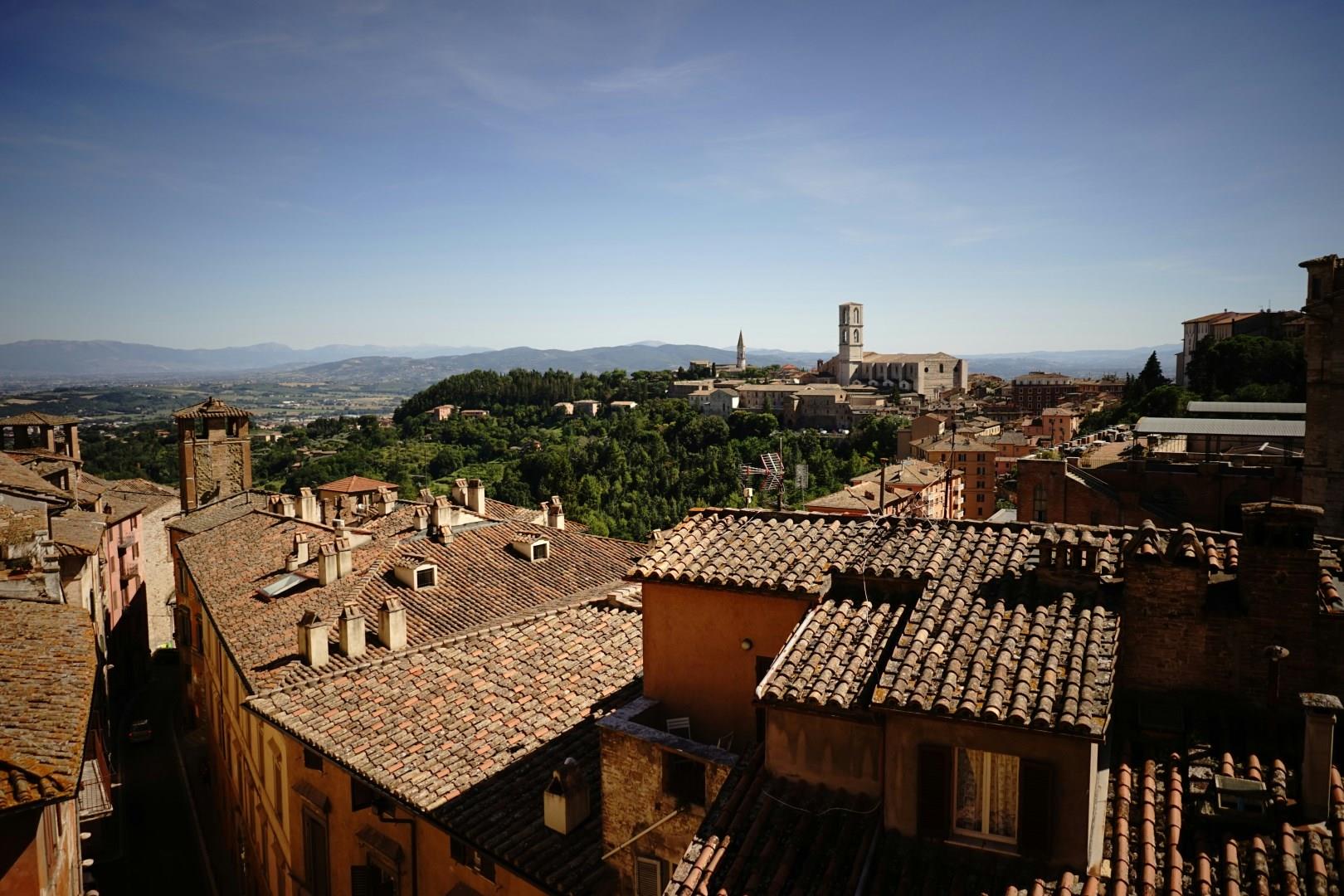
Perugia
Perugia, the capital of Italy’s Umbria region, is a city built across hills and centuries. Originally settled by the Etruscans more than 2,500 years ago, it still holds remnants of their civilization, including one of the largest surviving Etruscan arches in Italy named Arco Etrusco, which greets visitors at the city’s entrance. Walking through the narrow streets of the historic center reveals layers of Roman, medieval, and Renaissance architecture, all woven together within ancient stone walls.
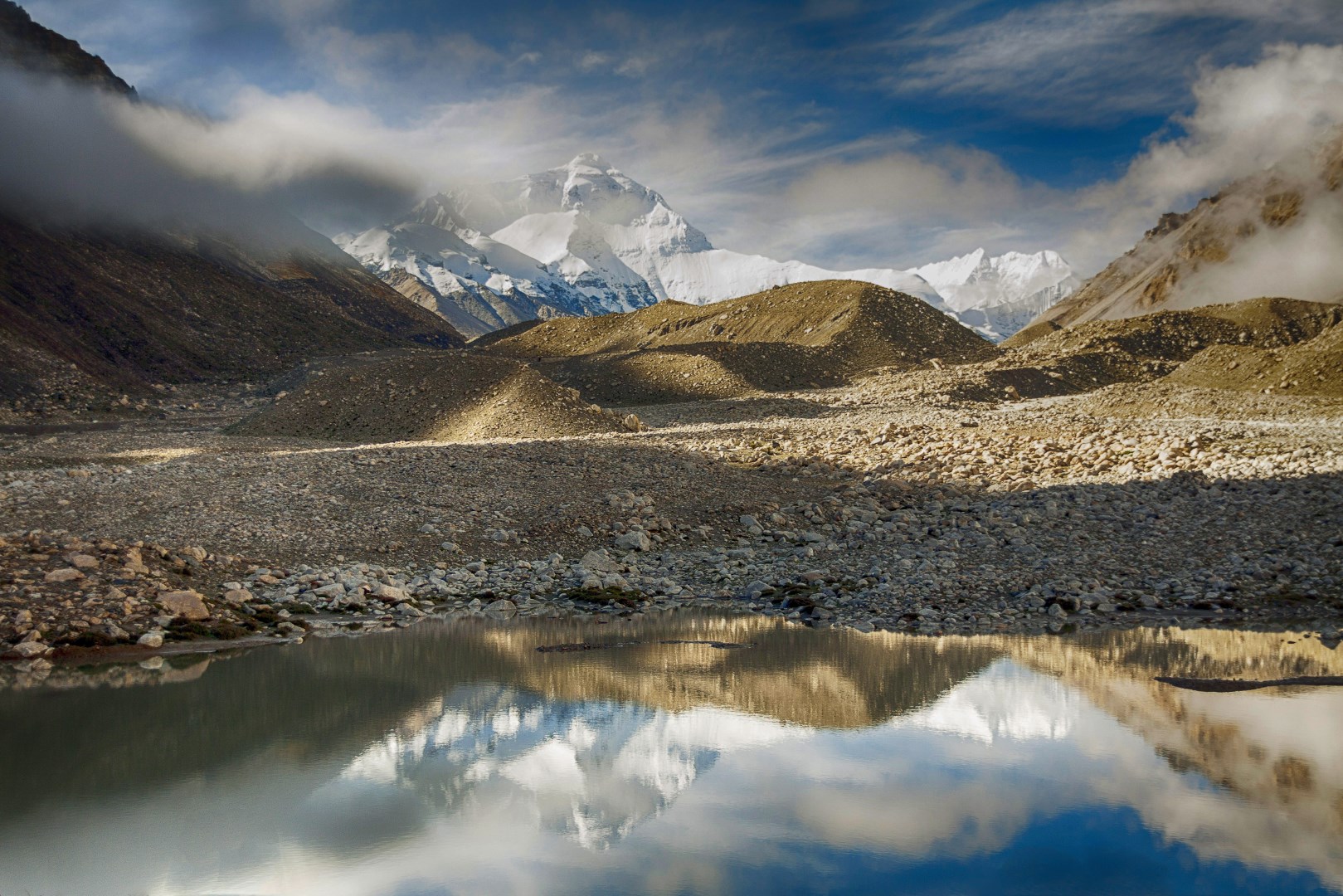
Mount Everest
Rising along the border of Nepal and Tibet, Mount Everest stands as the highest point on Earth, reaching over 29,000 feet into the sky. Known locally as Sagarmatha, meaning “Peak of Heaven,” and Chomolungma, meaning “Goddess Mother of the World,” the mountain carries deep spiritual meaning for the communities that live in its shadow. Its summit sits in air so thin that oxygen levels are only a fraction of what travelers experience at sea level.
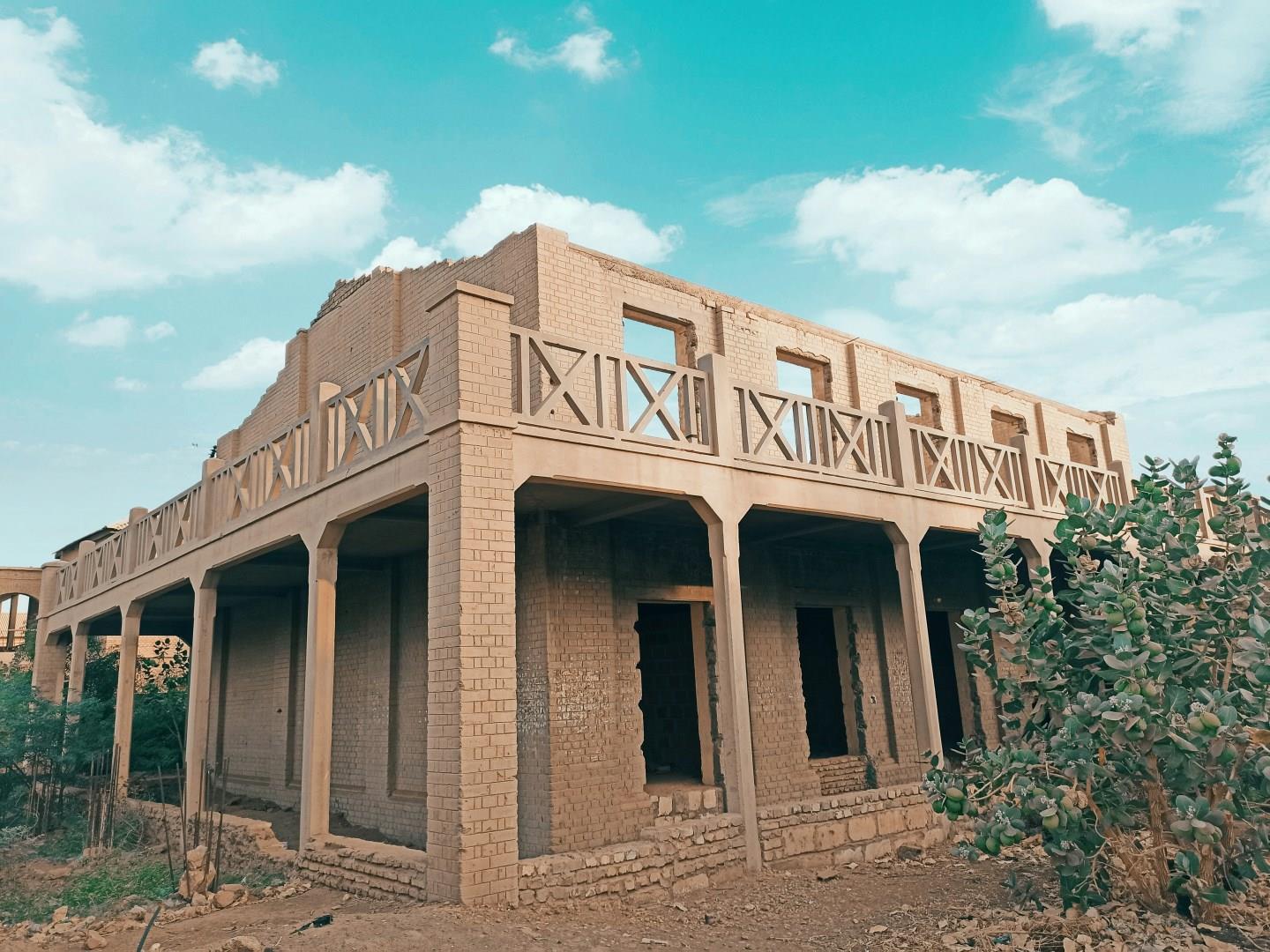
Sudan
Sudan, located in northeastern Africa, is a country of diverse landscapes, from the vast Sahara Desert in the north to the fertile Nile Valley in the center. The Nile River, one of the world’s longest, runs through the country, shaping both its agriculture and history.

Olomouc
Olomouc, a captivating city in the Czech Republic, offers a blend of historical charm and vibrant culture. The city’s centerpiece is the Holy Trinity Column, a UNESCO World Heritage Site and a stunning example of Baroque architecture. Erected in the 18th century to commemorate the end of the plague, this intricate monument features elaborate sculptures and exquisite details that make it a must-see source.

Ireland
With its captivating history, stunning natural landscapes, and lively culture, Ireland is a destination that leaves a lasting impression on every traveler.
