

French Guiana
French Guiana, tucked between Brazil and Suriname on the northeast coast of South America, offers an unexpected blend of Amazonian wilderness, colonial intrigue, and French flair. As an overseas department of France, it uses the euro, speaks French, and has croissants alongside cassava bread at breakfast. Yet just beyond the cafés of Cayenne, vast rainforest stretches for hundreds of kilometers, home to rare wildlife, remote rivers, and Indigenous communities.

Glacier Bay
Glacier Bay’s untouched beauty will astound you. A National Park and Preserve, as well as a UNESCO World Heritage site, it is covered with stunning tidewater glaciers and a variety of native flora and fauna. Be on the lookout for the variety of eye-catching wildlife, including eagles, moose, and humpback whales, who have made Glacier Bay home.

St. Thomas
St. Thomas, the gateway to the U.S. Virgin Islands, is a vibrant mix of history, culture, and Caribbean charm. Its capital, Charlotte Amalie, features a waterfront lined with pastel-colored colonial buildings, narrow cobblestone streets, and historic forts such as Fort Christian, which offer glimpses into the island’s Danish colonial past.
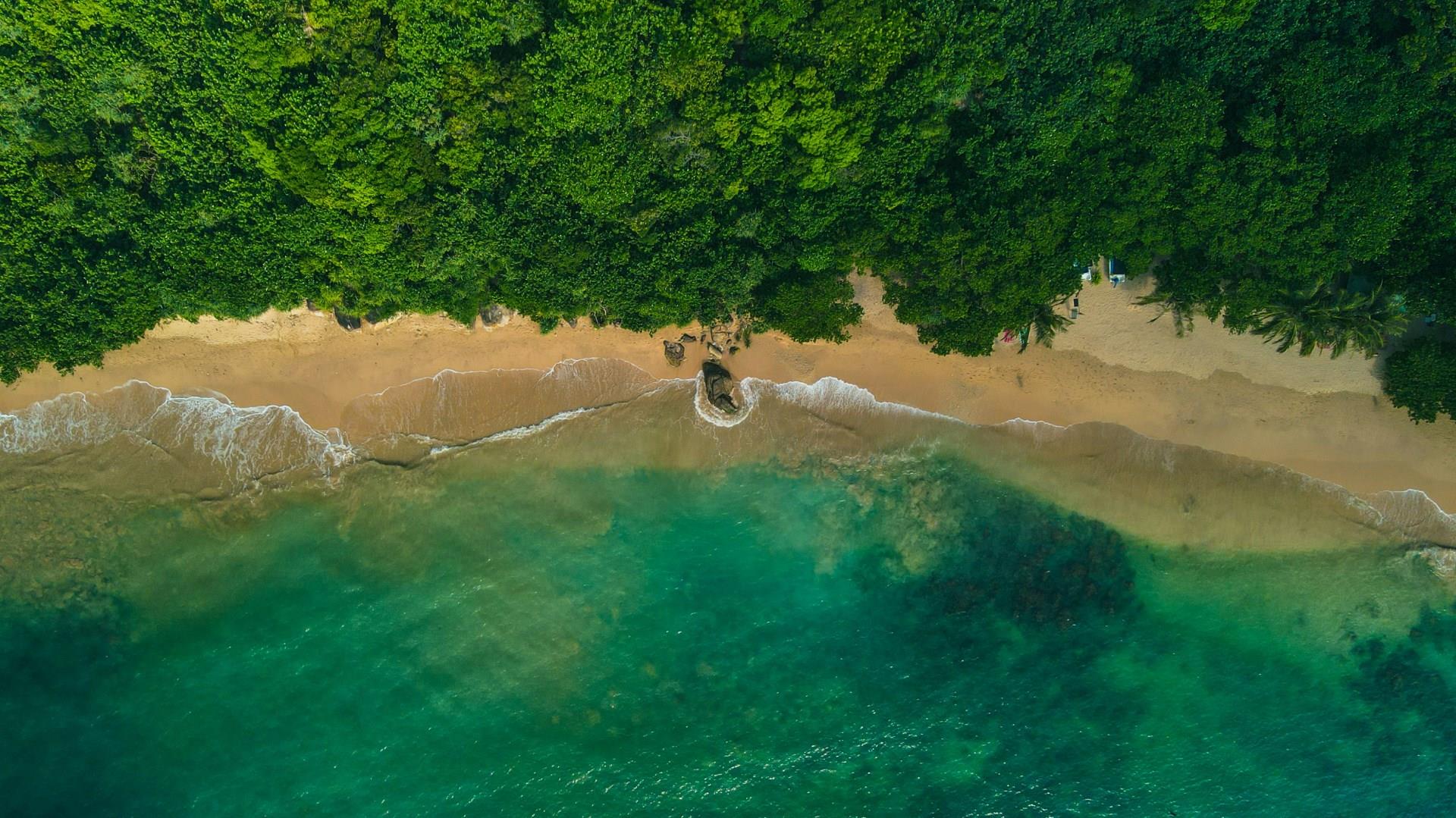
Unawatuna
Unawatuna lies along Sri Lanka’s southern coast, shaped by maritime trade, colonial encounters, and a long relationship with the sea. Once a small fishing village, it developed near historic Galle and reflects layers of Portuguese, Dutch, and British influence that passed through the region.

Pilsen
Pilsen, located in the western part of the Czech Republic, is renowned for its rich history and vibrant cultural scene. The city is best known as the birthplace of Pilsner beer, a name synonymous with the iconic pale lager that has become a global standard.
