
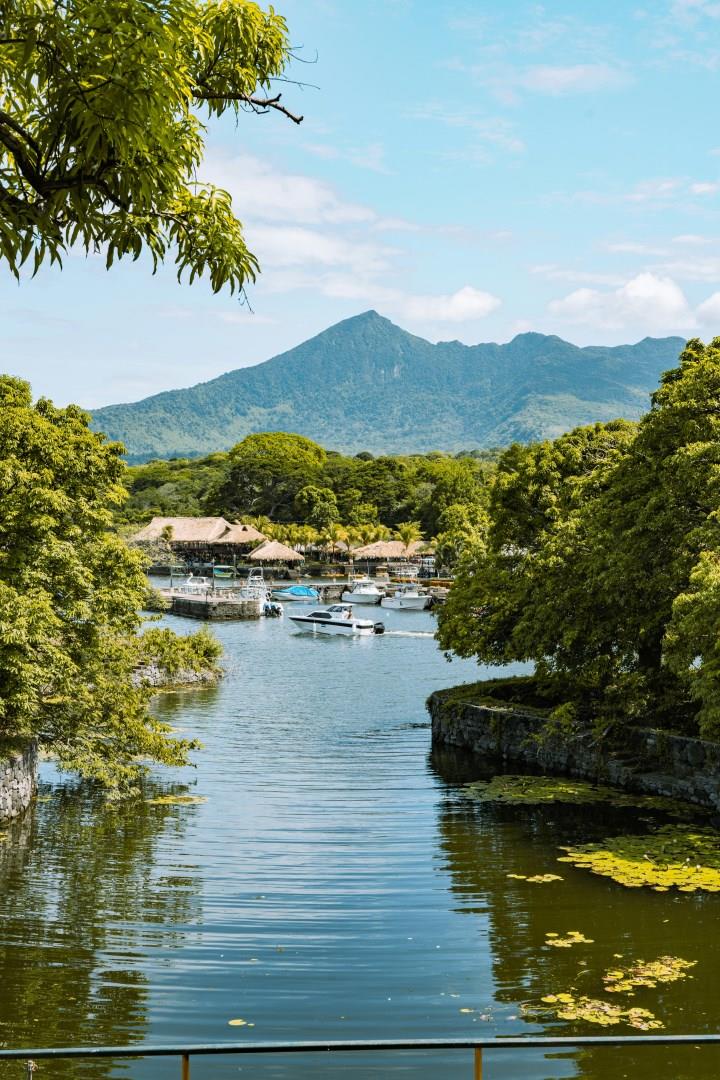
Granada
Granada, Nicaragua, founded in 1524, is one of the oldest European-established cities on the mainland of the Americas where visitors can explore cobblestone streets lined with brightly painted facades. The mustard-yellow Granada Cathedral dominates the central park and provides an easy reference point for those navigating the city on foot or by traditional horse-drawn carriage.

Rousse
Rousse, Bulgaria, often referred to as "Little Vienna," sits gracefully on the banks of the Danube River. Known for its rich history, stunning architecture, and vibrant culture, Rousse offers a glimpse into Bulgaria's past while embracing the future. The city's central square, Svoboda (Freedom) Square, is a great starting point for exploring.

Road Town
Road Town, the vibrant capital of Tortola in the British Virgin Islands (BVI), offers a charming blend of Caribbean culture, history, and natural beauty. Nestled around a horseshoe-shaped harbor and fringed by lush green hills, Road Town is the bustling heart of the BVI, where visitors can explore colorful markets, historical landmarks, and an inviting waterfront.

Ilok
Ilok, the easternmost town in Croatia on the Danube River, may be small but it has a lot to offer. A well-preserved Franciscan monastery and a 15th century castle make it a popular day trip for domestic as well as foreign tourists. Its wine-making tradition is even older; some say the region's viniculture dates back as early as 280 AD.

Phuket
Phuket, Thailand’s largest island, has long served as a cultural and trade crossroads in the Andaman Sea. Centuries ago, it was a stopover for merchants trading tin, spices, and textiles, with influences from Chinese, Portuguese, Indian, and Malay travelers still reflected in the island’s architecture and cuisine. Inland, the Khao Phra Thaeo Wildlife Sanctuary protects rainforest habitat home to gibbons, civets, and exotic birds.
