

Uluru
Located in Australia's Northern Territory, Uluru is an iconic sandstone formation and UNESCO World Heritage site. This red rock monolith, believed to be over 500 million years old, has been considered sacred by Australia's indigenous peoples for thousands of years and is one of the country's most well-known natural landmarks. This spiritual destination will astound you at sunrise and sunset, when the warm sunlight turns Uluru to deep hues of red and orange.
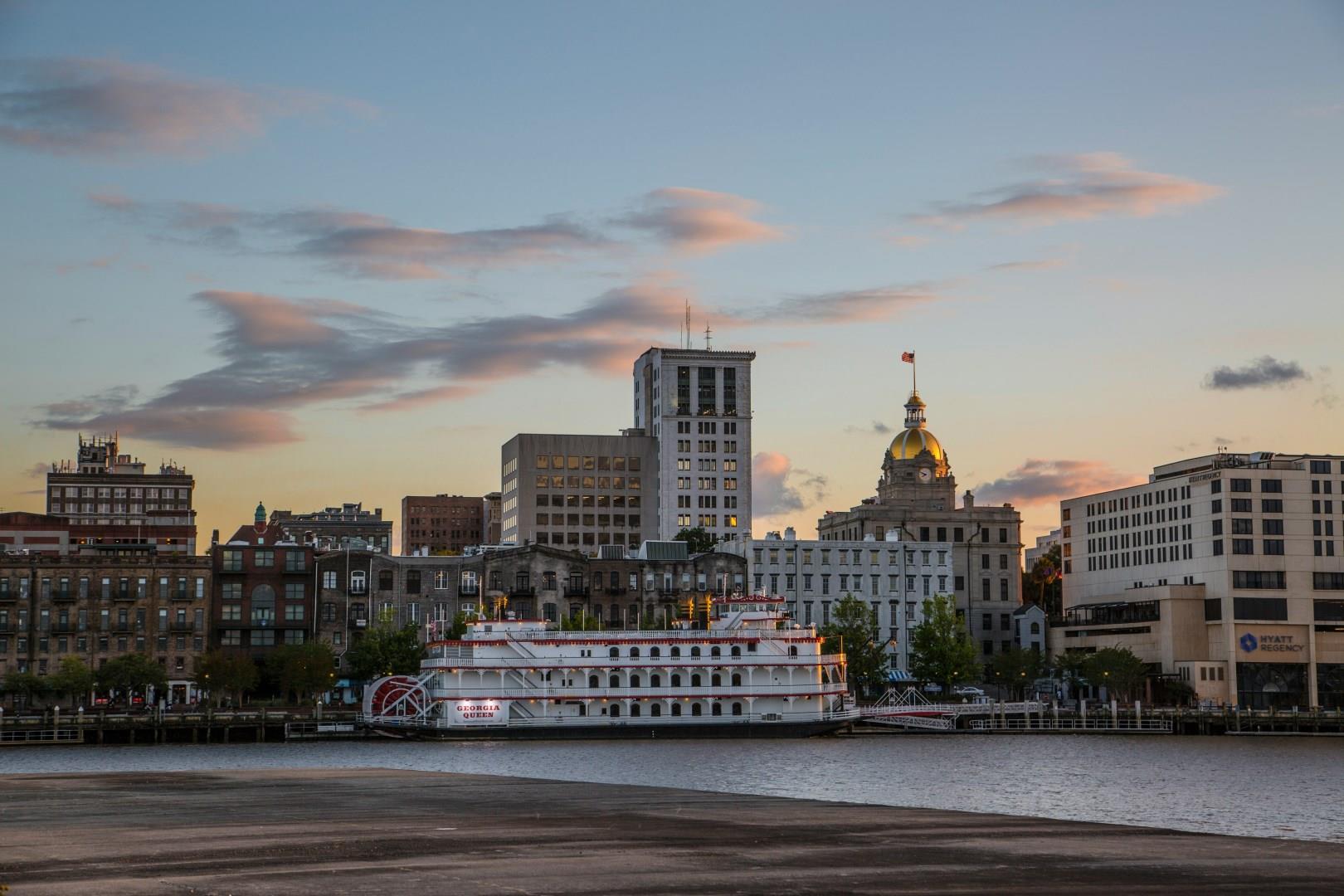
Savannah
Savannah, Georgia, is a city that moves at its own pace, shaded by moss-draped oaks and shaped by centuries of stories. Founded in 1733, it was Georgia’s first city and still wears its history proudly. Visitors walking through the Historic District will find cobblestone streets, hidden gardens, and 22 public squares, each with its own character.

China
China, the world’s most populous country, stretches across vast landscapes ranging from the towering Himalayas and deserts of the north to fertile river valleys and bustling coastal cities. Its rich history spans thousands of years, marked by dynasties, inventions, and cultural developments that have left a lasting imprint on art, architecture, and philosophy.

York
York, England, is a city where over 2,000 years of history comes to life. Originally founded by the Romans in 71 AD as Eboracum, York has witnessed the rise and fall of empires, from the Vikings to the Normans. Today, the city retains its medieval charm, with its historic York Minster, one of the largest Gothic cathedrals in Northern Europe, standing proudly as its centerpiece.
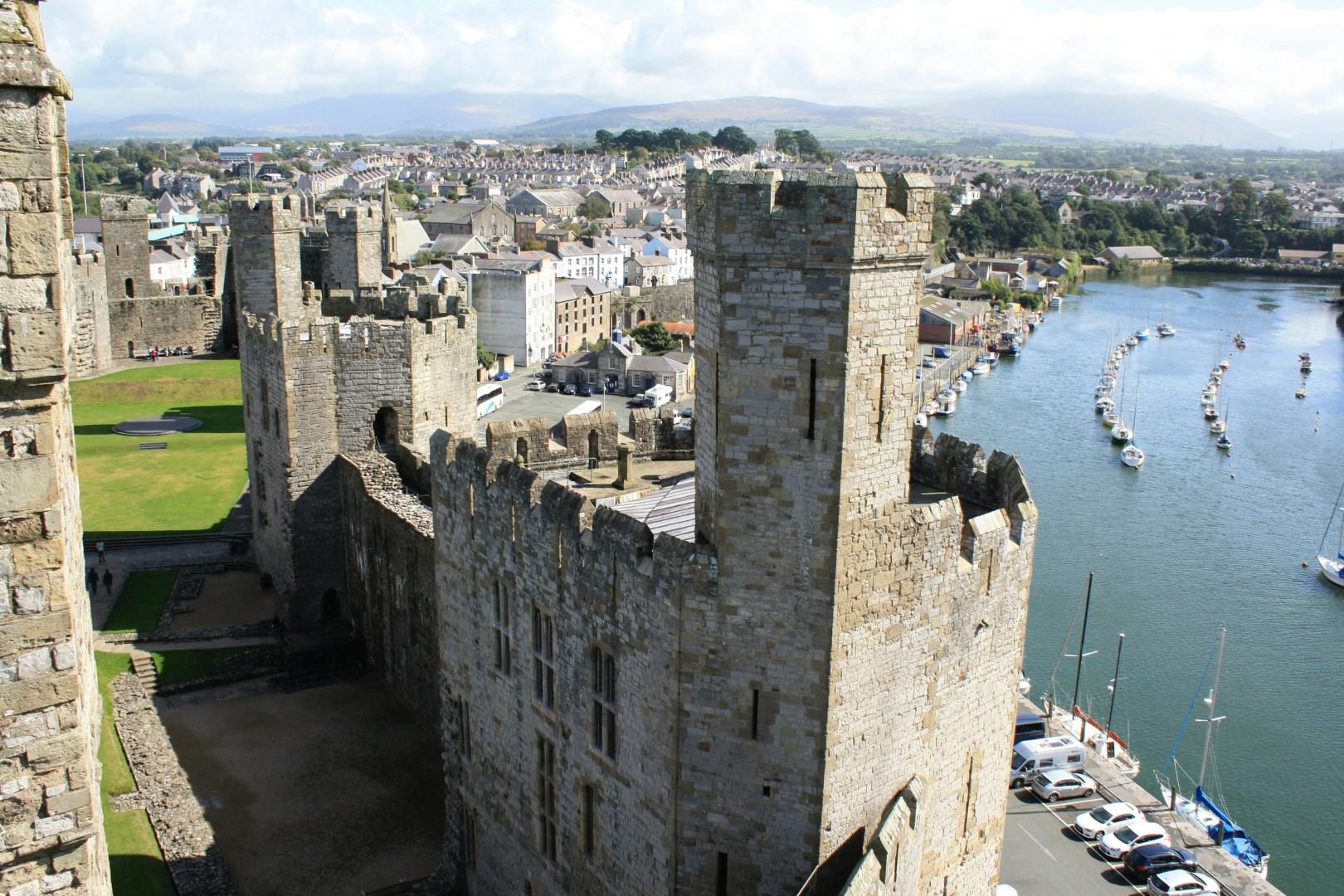
Caernarfon
Caernarfon, a town in northwest Wales, is famed for its medieval heritage, most notably Caernarfon Castle, a UNESCO World Heritage Site built by Edward I in the late 13th century.
