
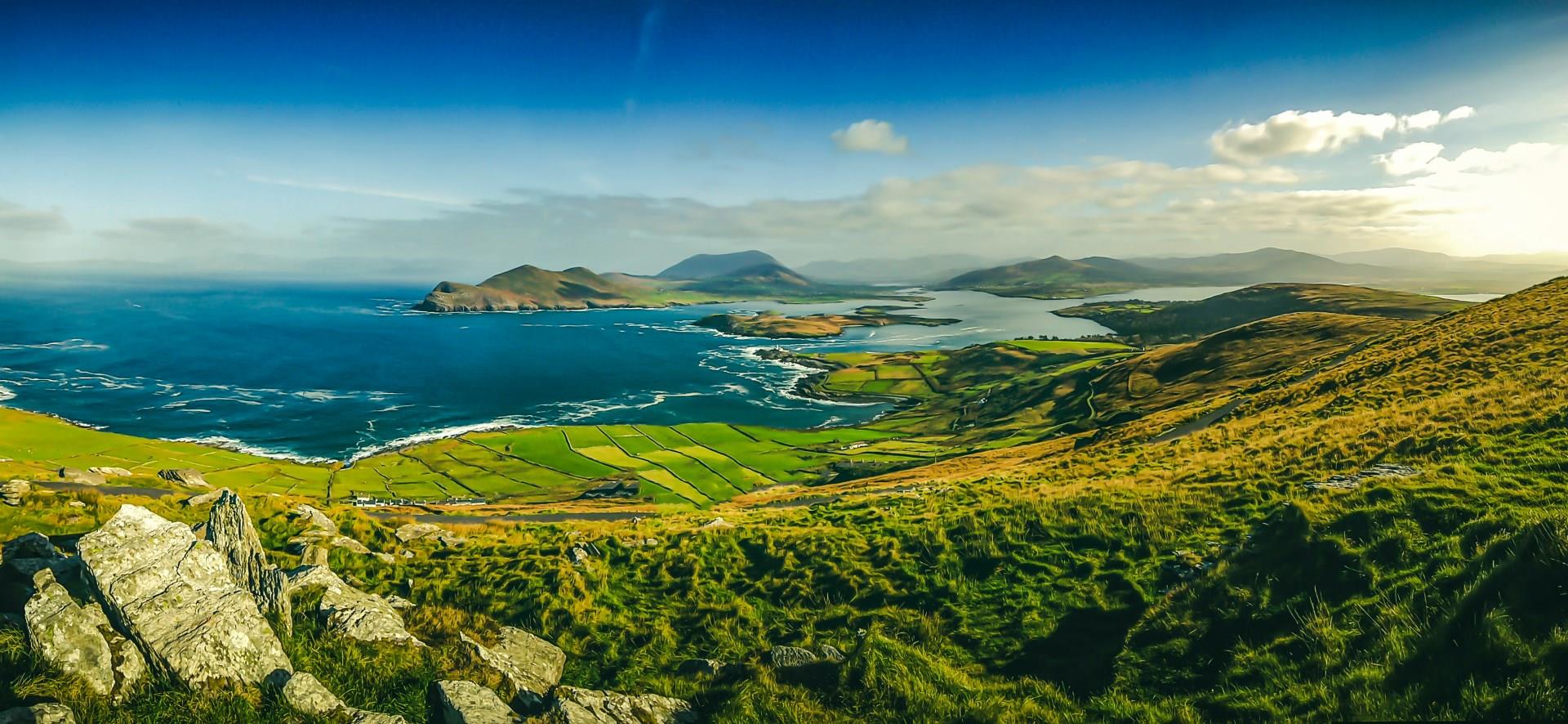
Kerry County
County Kerry, located in Ireland’s southwest corner, is a landscape of dramatic contrasts, where rugged mountains meet serene lakes and Atlantic waves crash against wild peninsulas. Known as “The Kingdom,” Kerry holds deep cultural and historical significance, with ancient ring forts, medieval monasteries, and Gaelic traditions that endure in everyday life.

Philadelphia
Philadelphia, the birthplace of American democracy, offers visitors a rare opportunity to walk through the very streets where the nation’s founding ideals were debated, signed, and set into motion. The city's art scene is as bold as its history. The Philadelphia Museum of Art is home to works by Van Gogh, Duchamp, and an entire Japanese teahouse, but it might be better known for the "Rocky Steps" out front, where visitors recreate the famous movie scene daily.

Dendera
Located on the west bank of the Nile, Dendera is home to the famous Dendera Temple Complex, one of the best-preserved ancient Egyptian temples. The Temple of Hathor features impressive reliefs and intricate carvings that draw visitors interested in Egyptology and ancient history.
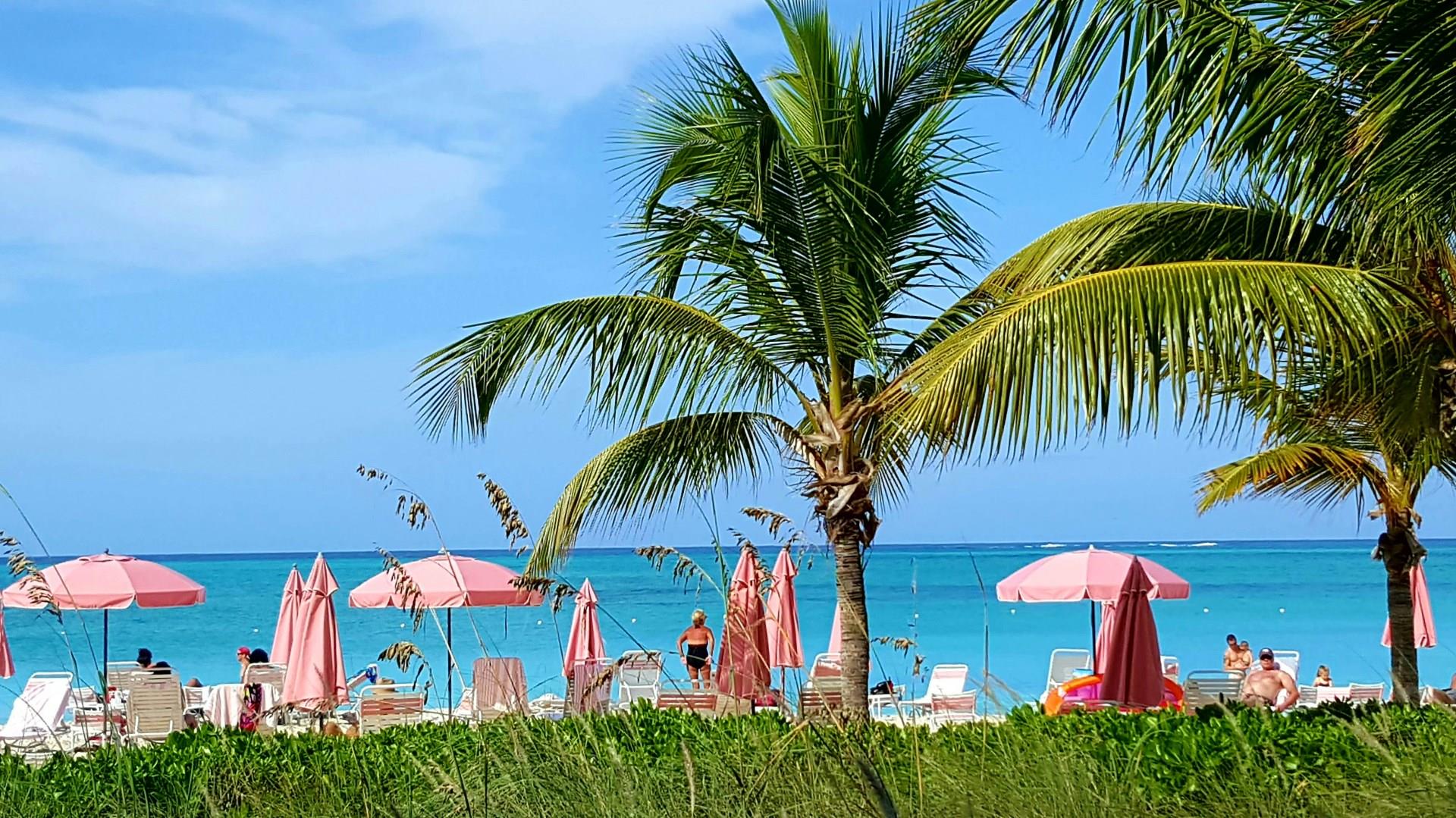
Providenciales
Providenciales, often called “Provo,” is the most developed island in the Turks and Caicos archipelago and a gateway to some of the clearest waters in the Caribbean. Its coastline is famous for long stretches of white sand and shallow turquoise seas that seem to shift color with the sun. Grace Bay Beach, the island’s most celebrated shoreline, runs uninterrupted for more than 19 kilometers and is consistently ranked among the best beaches in the world.
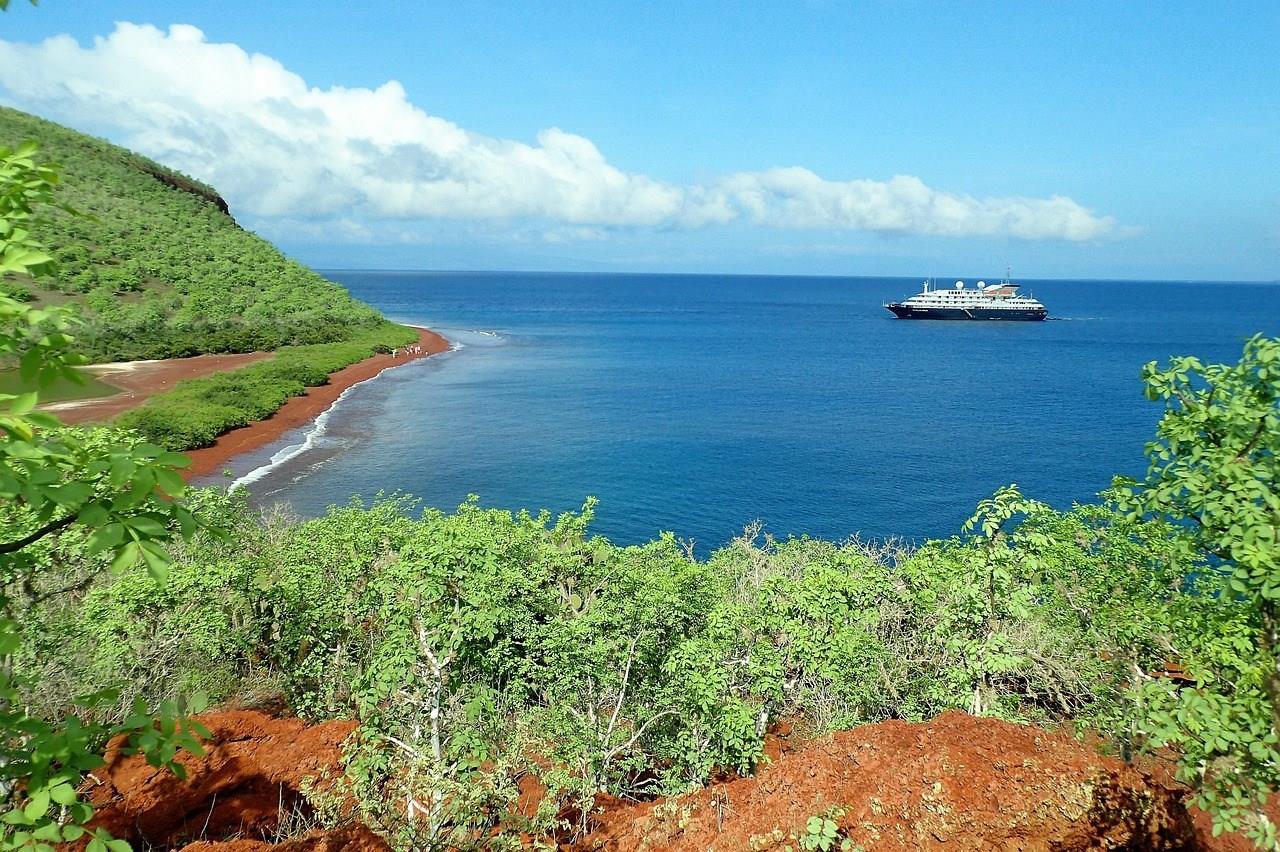
Rabida Island
Rábida Island is one of the most visually striking islands in the Galápagos, known for its deep red volcanic shoreline and quiet, unspoiled atmosphere. Located near the center of the archipelago, the island is geologically young, with iron-rich lava giving its beaches a dramatic rust-colored hue.
