

Las Vegas
Las Vegas, Nevada, is an electrifying city where glitz and glamour meet entertainment and excitement. Known as "The Entertainment Capital of the World," Las Vegas offers an unparalleled array of attractions, from its iconic casinos and luxurious hotels to its world-class dining and live shows. The city's entertainment scene is second to none, featuring legendary headliners, cutting-edge performances, and an array of themed attractions.
Kylemore
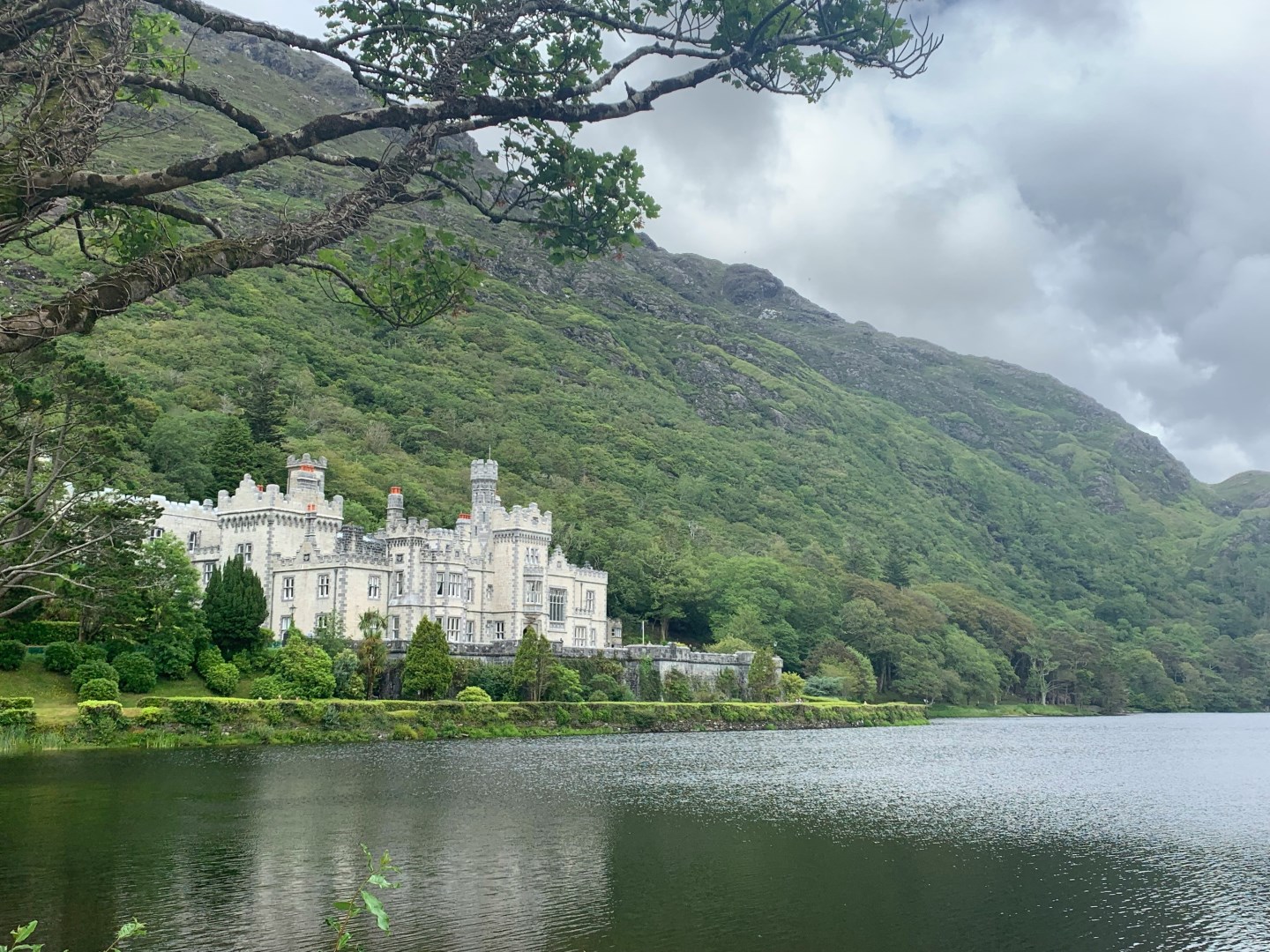
Kylemore, Ireland, sits quietly amidst the mountains and lakes of Connemara, offering visitors a blend of history and scenic views that feels both grand and intimate. The village is best known for Kylemore Abbey, a striking structure set against the backdrop of rolling hills and reflective waters. Visitors approaching the estate are greeted by formal gardens and woodland trails, where the reflections of the abbey shimmer in the calm lake.

Motril
Motril, Spain, is located near the Guadalfeo River on the Mediterranean coast in the province of Granada. Sugar cane refineries form the backbone of Motril's economy, though tourism is also an essential industry.
Suchitoto
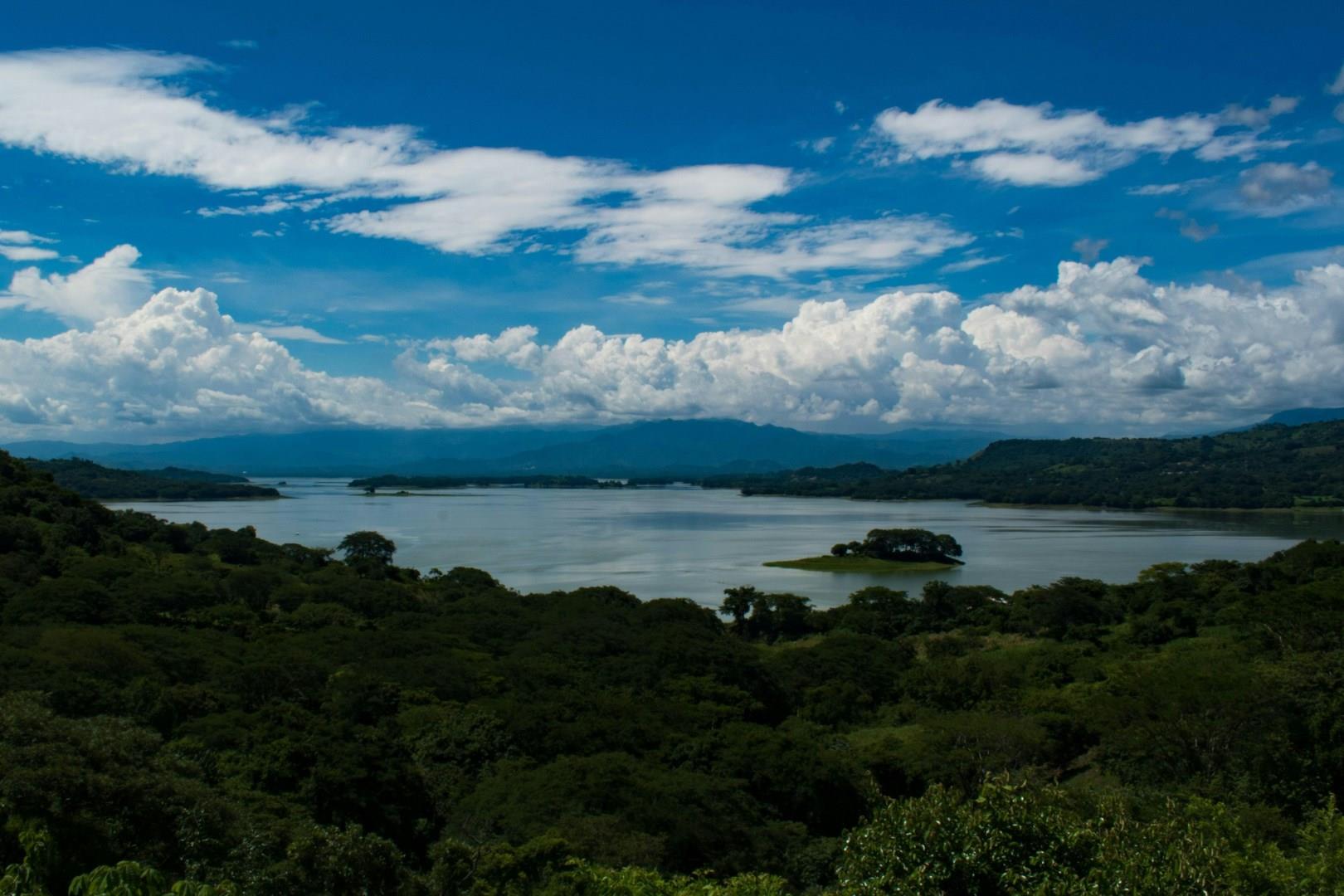
Suchitoto, located in the Cuscatlán department of El Salvador, is a hilltop town known for its cobblestone streets and scenic views of Lake Suchitlán. Once an important center for indigo production, the town still celebrates its dye-making history through artisan workshops where visitors can learn to create textiles using natural indigo. The name “Suchitoto” comes from the Nahuatl language and means “place of flowers and birds,” a nod to the area’s diverse birdlife and surrounding vegetation.
Fox Glacier
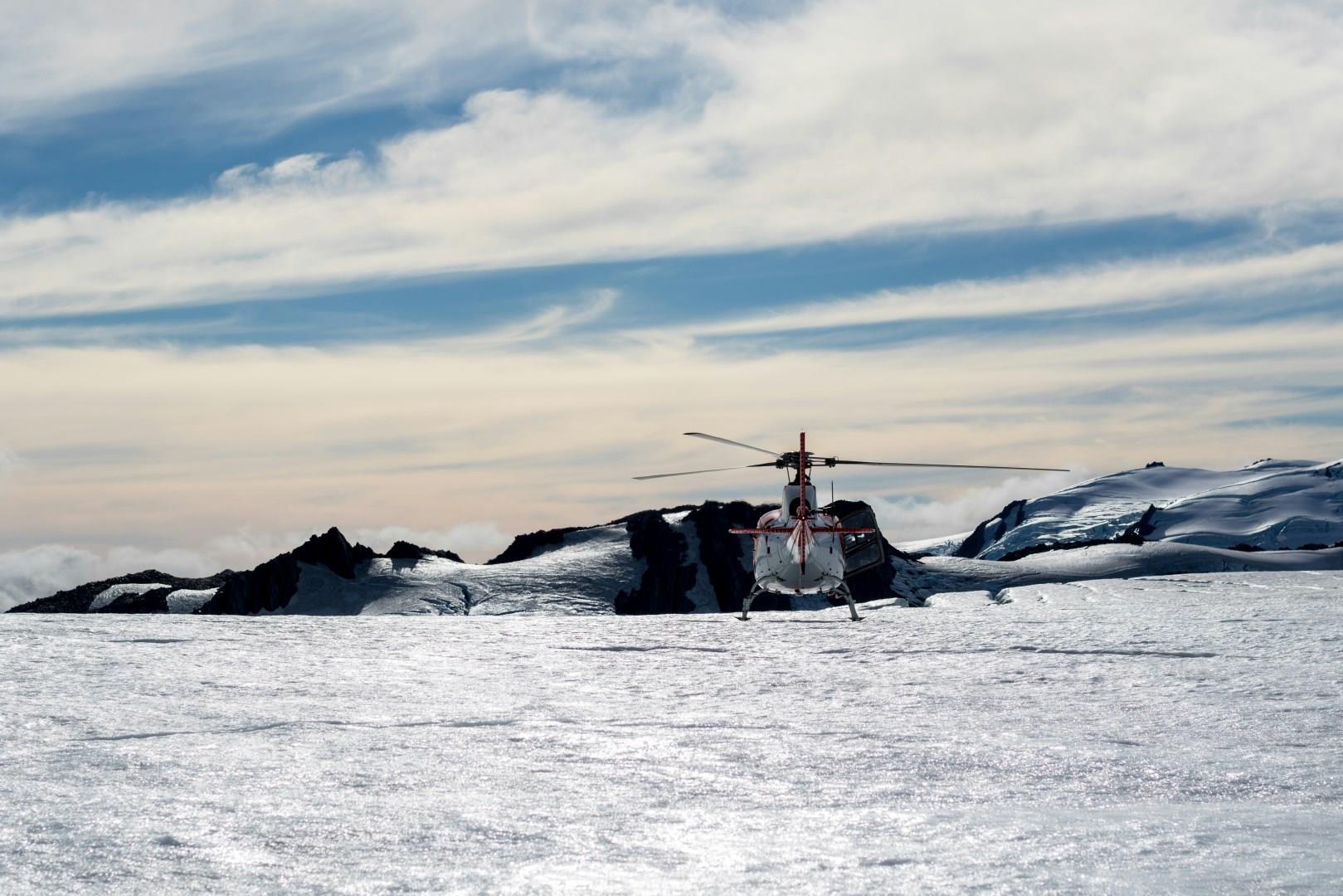
Fox Glacier, on New Zealand’s South Island, is one of the country’s most remarkable natural wonders, where icy landscapes meet lush rainforest. Named after Sir William Fox, a 19th-century Prime Minister of New Zealand, the glacier stretches from the high peaks of the Southern Alps down into temperate rainforest.
