

Dominica
Dominica, known as the “Nature Island of the Caribbean,” is a haven for eco-tourists and adventure seekers. Nestled between the French islands of Guadeloupe and Martinique, this lush island boasts a remarkable landscape of volcanic mountains, dense rainforests, and stunning waterfalls. Dominica’s most iconic natural wonder is the Boiling Lake, the second-largest hot spring in the world.

Portimão
Portimao is a port city on the southern coast of Portugal and offers easy access to some of the country's best beaches.

Toulon
Toulon, a vibrant port city on the French Riviera, is a hidden gem waiting to be explored. Known for its deep natural harbor, Toulon has long been a significant naval base for France, and the city's maritime heritage is still very much alive today. Visitors can explore the bustling Toulon Harbor, where yachts, fishing boats, and naval vessels coexist in a lively display of seafaring life.
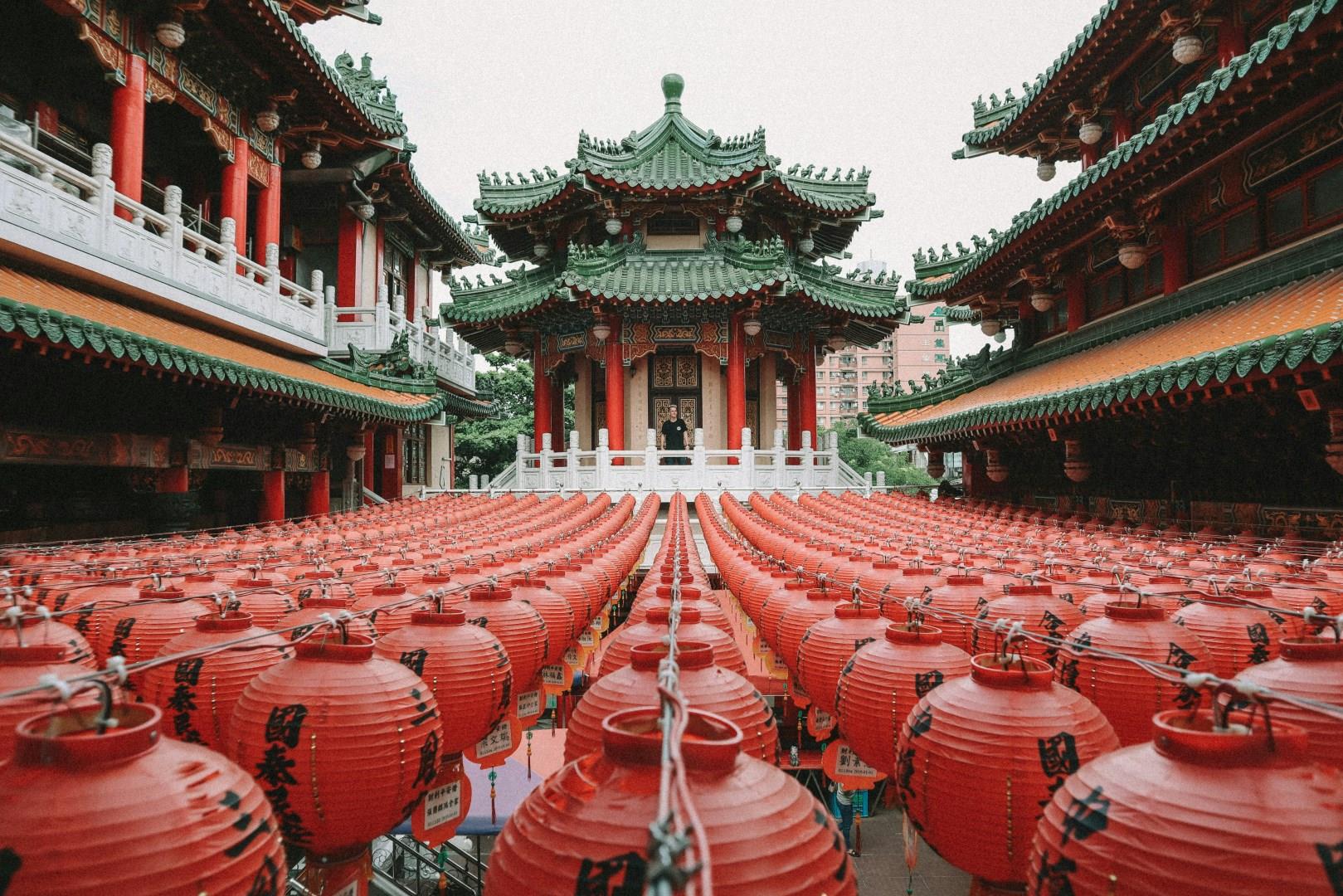
Kaohsiung
Kaohsiung sits on Taiwan’s southern coast and rises from one of the island’s busiest harbors into a city that rewards slow exploration and lively discovery. History and local belief surface at the Dragon and Tiger Pagodas beside Lotus Pond in Zuoying District. These twin pagodas that are connected to the shore by a zigzag bridge, invite visitors to walk through the dragon’s mouth and out the tiger’s, a practice locals associate with turning bad luck into good fortune.

Yellowstone National Park
Yellowstone National Park, America's first national park, stands as a stunning testament to nature’s raw power and beauty. Located primarily in Wyoming, with portions extending into Montana and Idaho, Yellowstone offers visitors a chance to witness incredible geothermal wonders, such as the famous Old Faithful geyser that faithfully erupts every 60 to 110 minutes.
