

Agra
Once the capital of the Mughal Empire, Agra, India is now a cultural capital replete with famous landmarks and striking architecture. The city’s most prominent draw is the magnificent Taj Mahal, the iconic white marble mausoleum and a UNESCO World Heritage Site visited by millions of people each year.
Costa del Sol
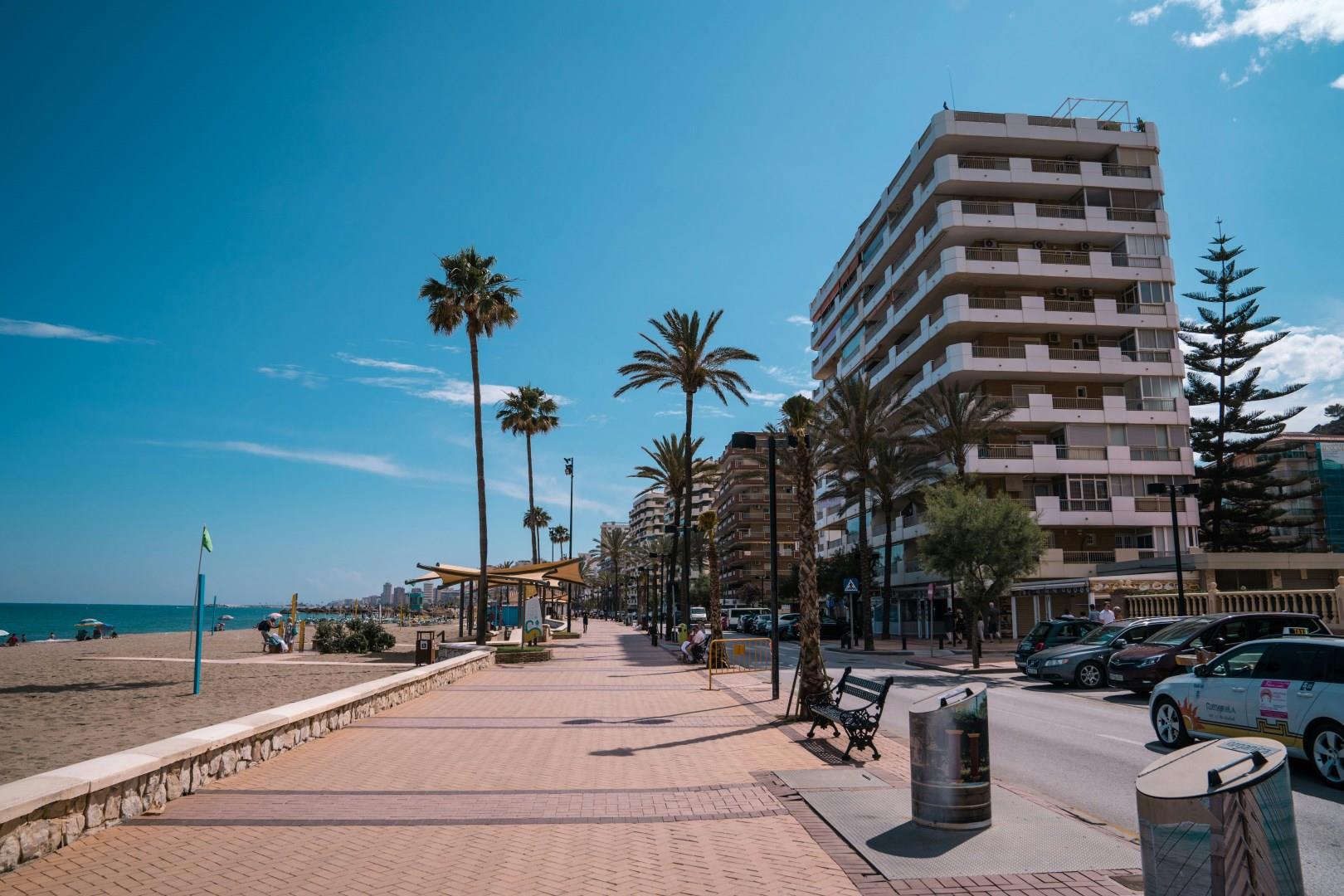
The Costa del Sol, stretching along the southern coast of Spain in Andalusia, is famed for its golden beaches, lively coastal towns, and sunny Mediterranean climate.
Kilkenny
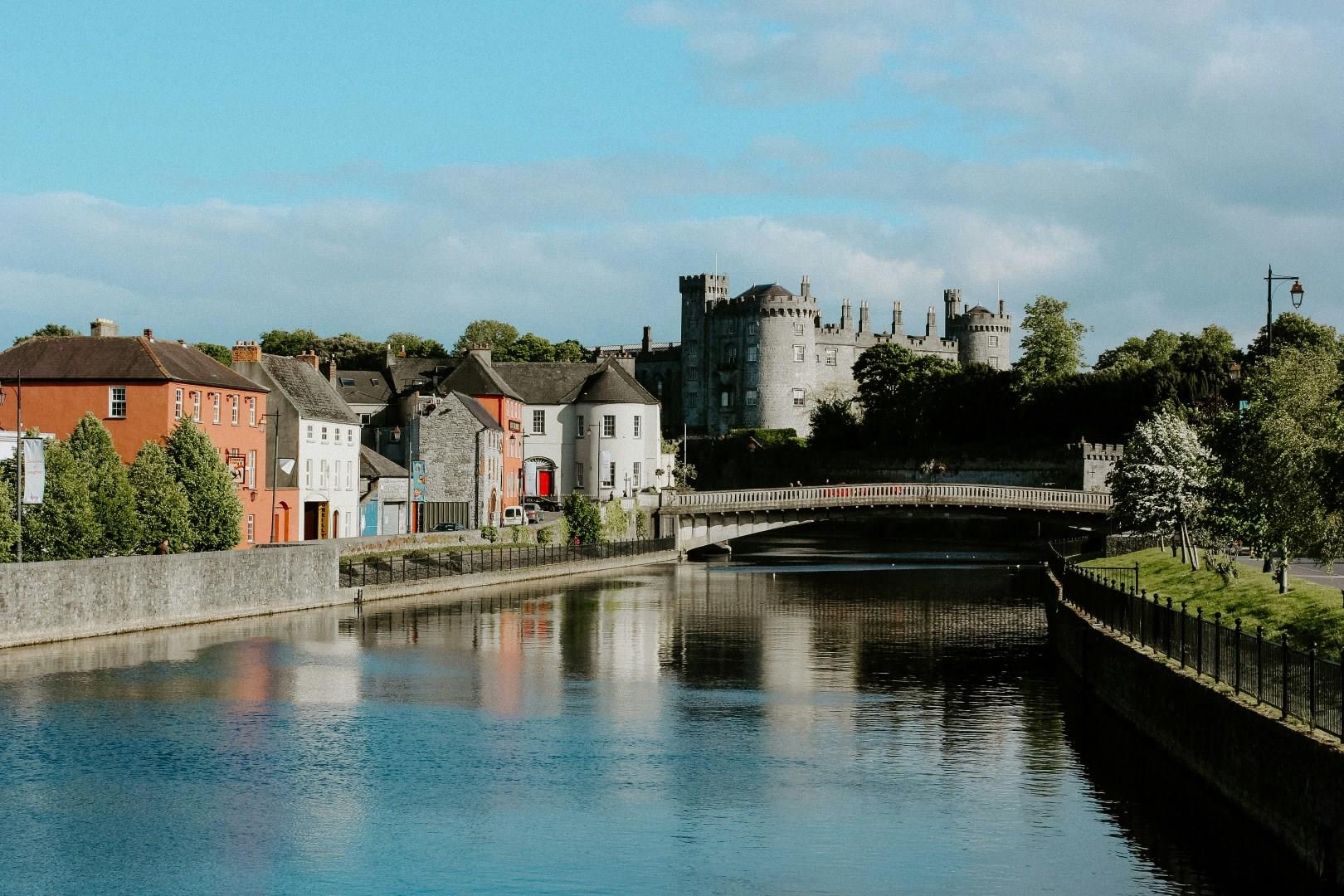
Kilkenny is a city where history sits beside everyday life, and stories from centuries past shape the streets visitors walk today. At its heart stands Kilkenny Castle, first built in the 12th century and home to the Butler family for more than 600 years. From here, the Medieval Mile creates a natural path through the city, linking key sites such as St. Canice’s Cathedral. Its round tower, one of the few in Ireland still open to climb, rewards visitors with wide views across the rooftops.

Latvia
Latvia invites visitors to explore a land where medieval streets meet vast forests and a lively coastline. Riga, the country’s capital, is home to one of the largest and best-preserved collections of Art Nouveau architecture in Europe. Walking through the Old Town, visitors can admire intricate facades and cobblestone streets that lead to landmarks like the House of Blackheads and St. Peter’s Church, whose tower offers panoramic views of the city.
Bulawayo
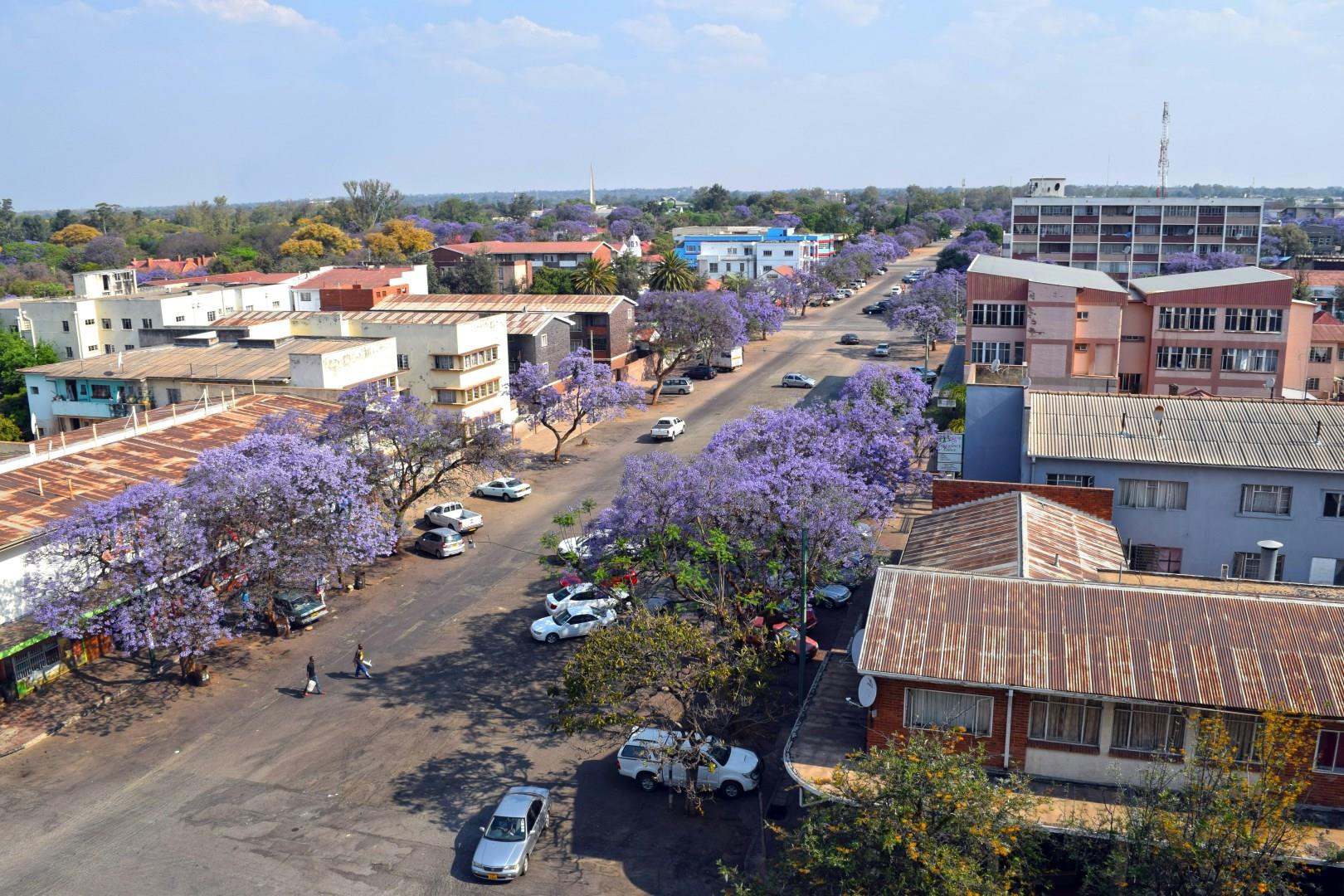
Bulawayo is Zimbabwe’s second-largest city and a place where industrial heritage and deep cultural roots intersect. Founded near the former capital of the Ndebele kingdom, the city carries strong historical significance tied to King Lobengula and the resistance to colonial expansion.
