

Warsaw
Warsaw stands as one of Europe’s most resilient cities, having rebuilt itself almost entirely after World War II. The Old Town, meticulously reconstructed using paintings by Italian artist Bernardo Bellotto, feels centuries old but is, in fact, less than a hundred years in its current form. Behind the medieval facades lie stories of uprisings, resistance, and quiet defiance. Visitors walking through Castle Square can enter the Royal Castle, where Poland’s Constitution of May 3, 1791 was adopted.
North Conway
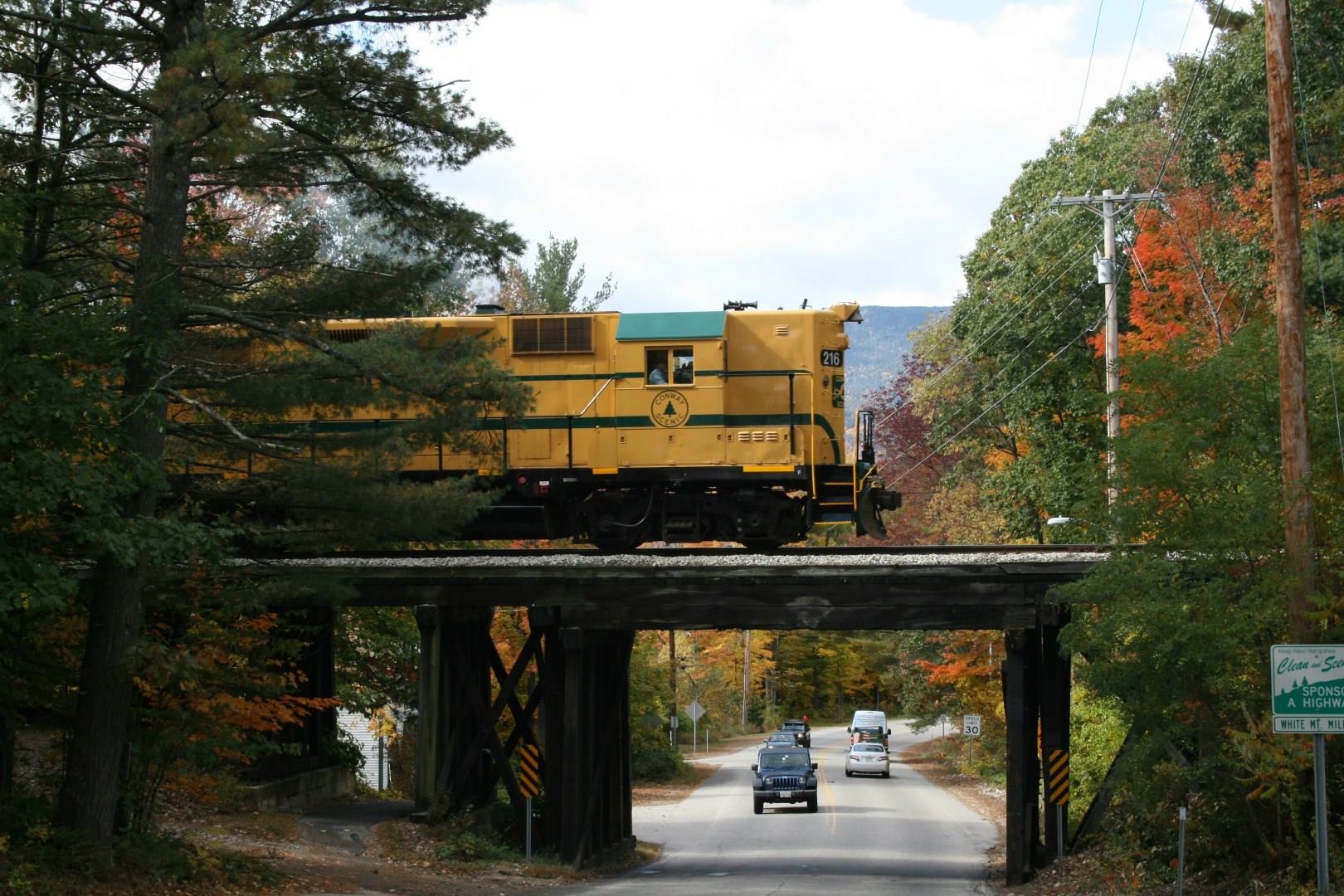
North Conway, located in New Hampshire’s Mount Washington Valley, has drawn visitors since the mid-19th century, when artists from the White Mountain School began painting its dramatic landscapes. Today, the area still offers scenic appeal, anchored by the towering presence of Mount Washington, the tallest peak in the northeastern U.S. Historic photographs and lithographs of North Conway hang in galleries downtown, showing just how little the iconic views have changed in over 150 years.
Falkland Islands
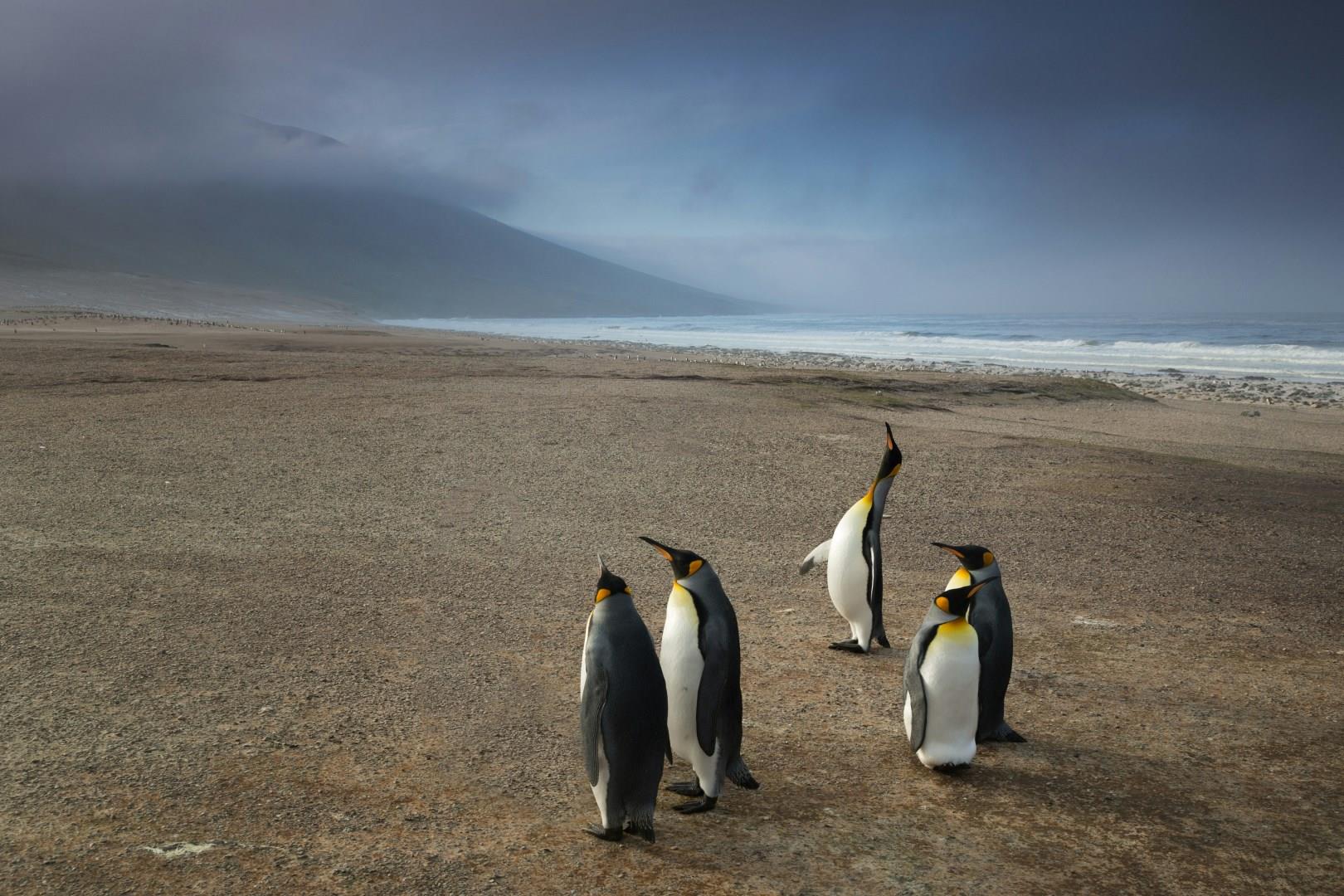
The Falkland Islands, a remote archipelago in the South Atlantic, offer a striking combination of wild open spaces, rich wildlife, and a way of life shaped by wind, sea, and resilience. With fewer than 3,500 residents spread across over 700 islands, the Falklands provide a rare opportunity to disconnect from busy modern life and connect with wide skies, rugged coastlines, and some of the most accessible wildlife experiences on the planet.
Suchitoto
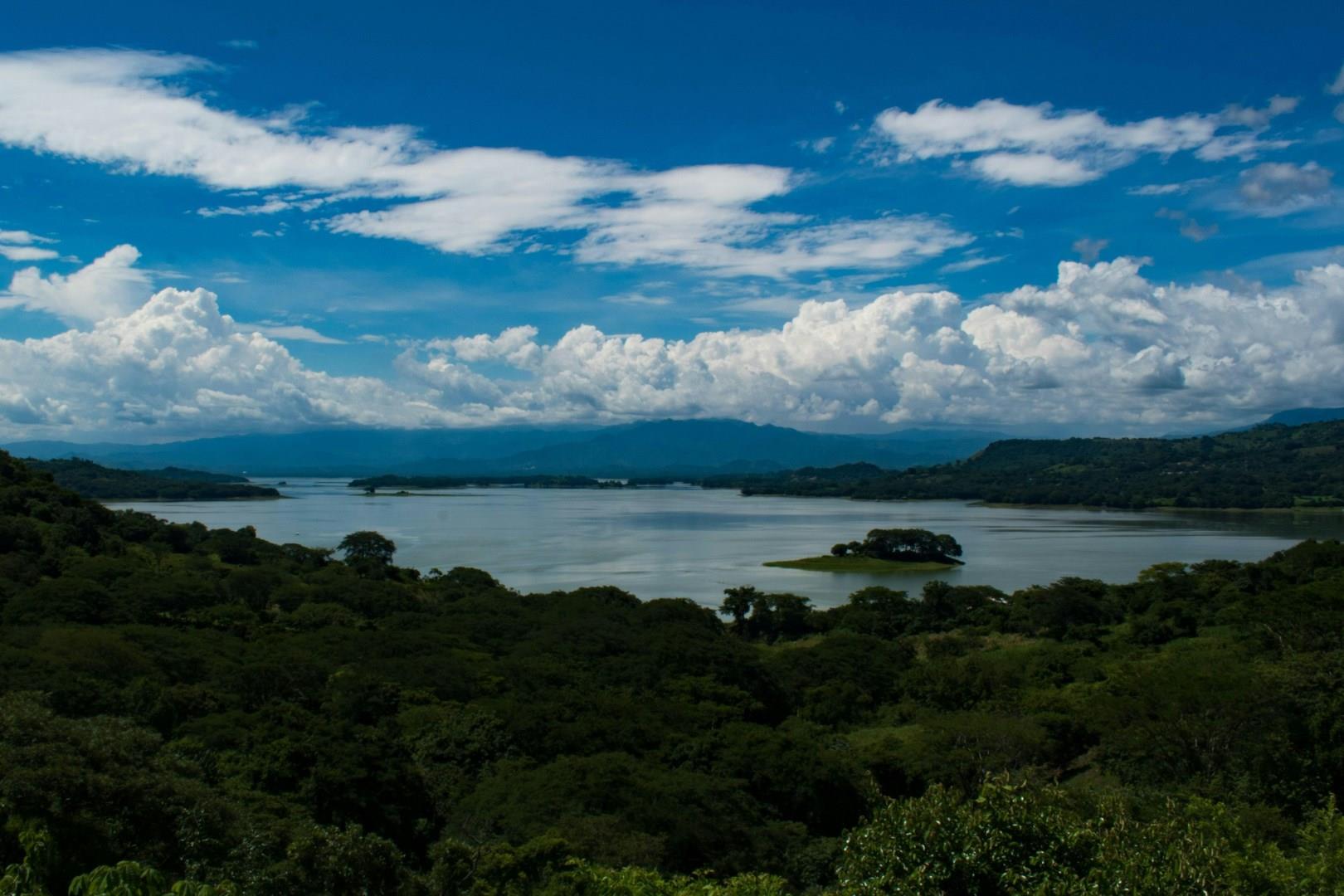
Suchitoto, located in the Cuscatlán department of El Salvador, is a hilltop town known for its cobblestone streets and scenic views of Lake Suchitlán. Once an important center for indigo production, the town still celebrates its dye-making history through artisan workshops where visitors can learn to create textiles using natural indigo. The name “Suchitoto” comes from the Nahuatl language and means “place of flowers and birds,” a nod to the area’s diverse birdlife and surrounding vegetation.
Kaloum
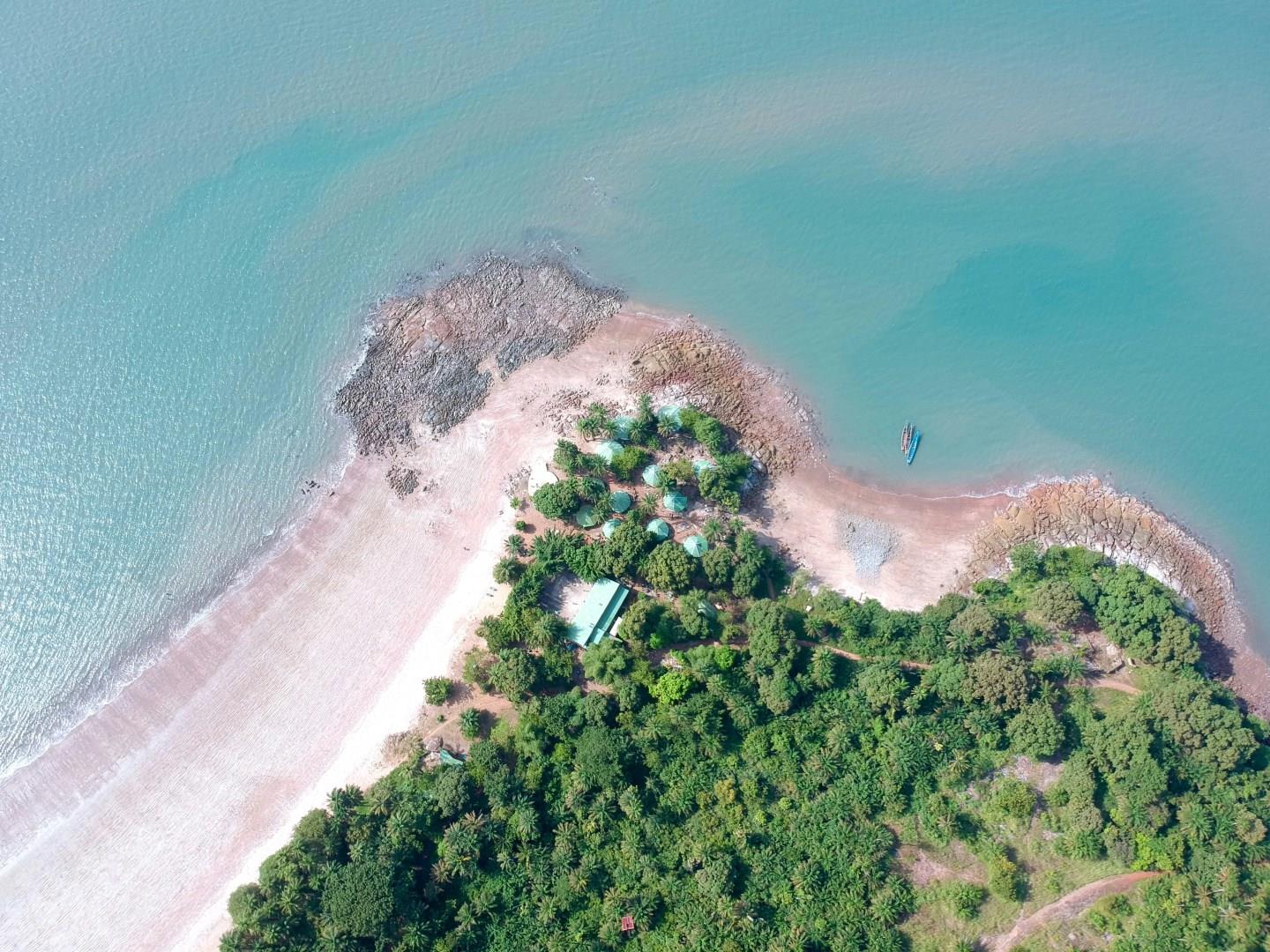
Kaloum, the bustling central district of Conakry, serves as the political, commercial, and cultural heart of Guinea’s capital.
