
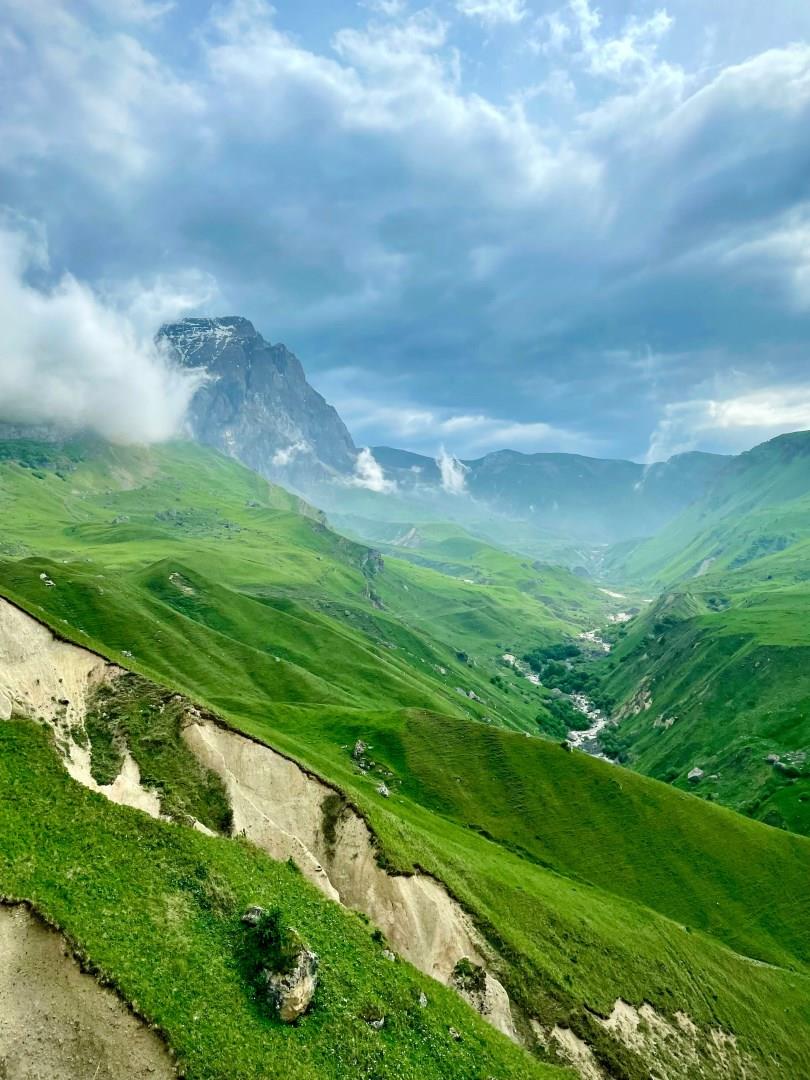
Azerbaijan
Azerbaijan, often called the “Land of Fire,” sits at the crossroads of Europe and Asia along the Caspian Sea. Its capital, Baku, blends futuristic architecture with centuries-old history.

Whitsunday Island
The Whitsunday Islands sit in the heart of Australia’s Great Barrier Reef, where more than 70 islands rise from wide blue seas and offer an invitation to explore. Whitsunday Island itself is the largest of this group, known internationally for its ribbon of white silica sand stretching over seven kilometers at Whitehaven Beach. This sand feels cool underfoot even in warm sunshine because it’s made of nearly pure silica carried there by ancient ocean currents.

Panama Canal
An essential passageway between the Atlantic and Pacific Oceans, the Panama Canal is an extraordinary technological landmark and a testament to human innovation. Built in the early twentieth century by American engineers, the canal weaves through the Panamanian isthmus and allows easy access for commercial freighters and cruise ships alike.

Kos
Kos, an enchanting island in Greece’s Dodecanese archipelago, is a gem steeped in both history and natural beauty. Known as the birthplace of Hippocrates, the father of modern medicine, Kos is home to the ancient Asclepeion, a healing temple where Hippocrates taught his students. Visitors can wander through the well-preserved ruins and enjoy sweeping views over the island and the Aegean Sea.
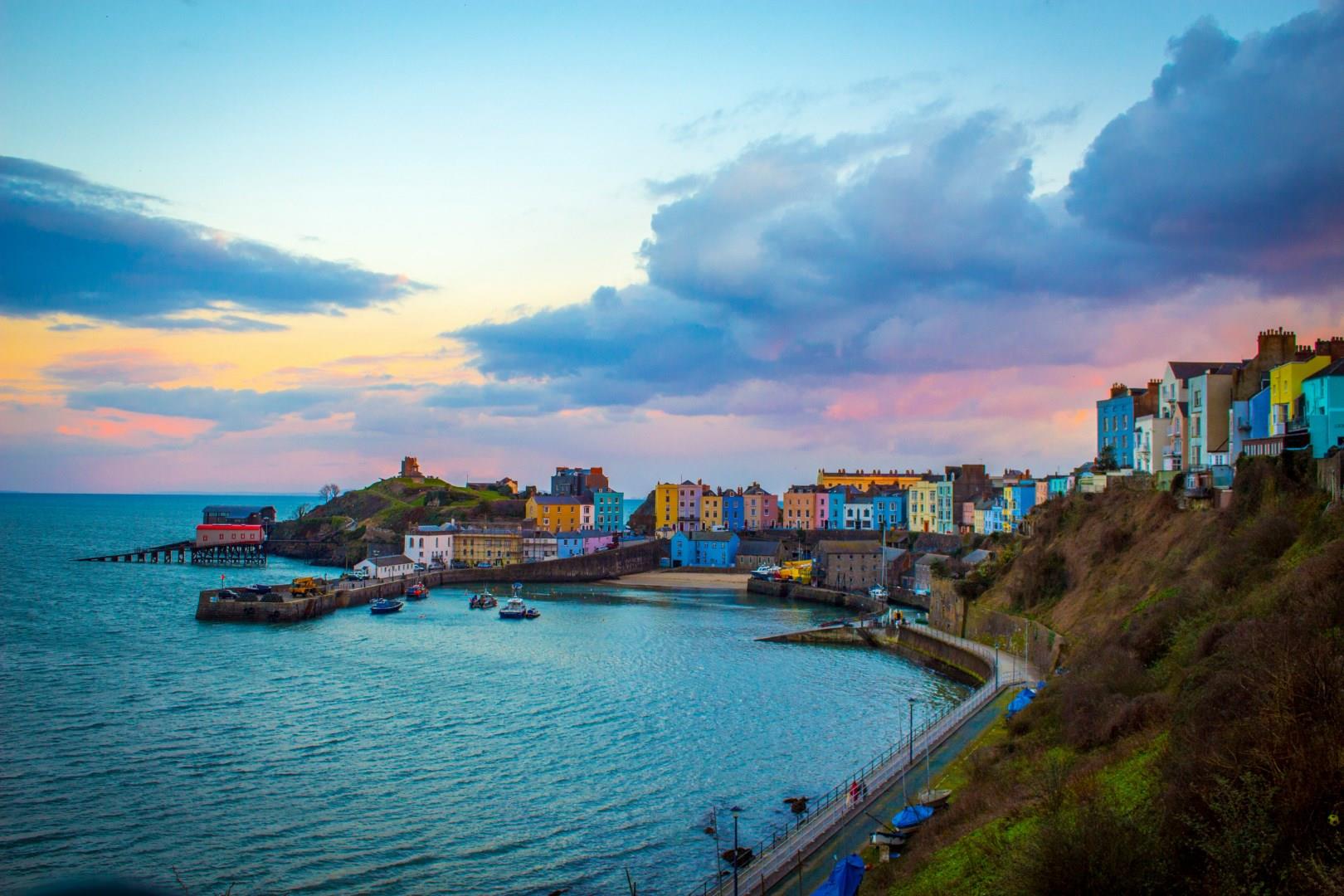
Tenby
Tenby sits on the Pembrokeshire coast of southwest Wales, where medieval walls still encircle a compact town above the sea. Its history as a fortified port is visible in stone ramparts, narrow lanes, and the ruins of Tenby Castle, which overlook the harbor.
