

Lyttelton
Lyttelton is the largest settlement on Lyttelton Harbour, an inlet on the northwestern side of Banks Peninsula, and provides a frequent landing spot to those who are Christchurch bound.

Kamloops
Kamloops, located in the interior of British Columbia, sits at the meeting point of the North and South Thompson Rivers. The name comes from the Secwépemc word “Tk’emlúps,” meaning "where the rivers meet," and the area has been a gathering place for Indigenous communities for thousands of years. Today, visitors can explore this rich cultural heritage at the Secwépemc Museum and Heritage Park, where trails lead through archaeological sites and reconstructed pit houses.
Killington
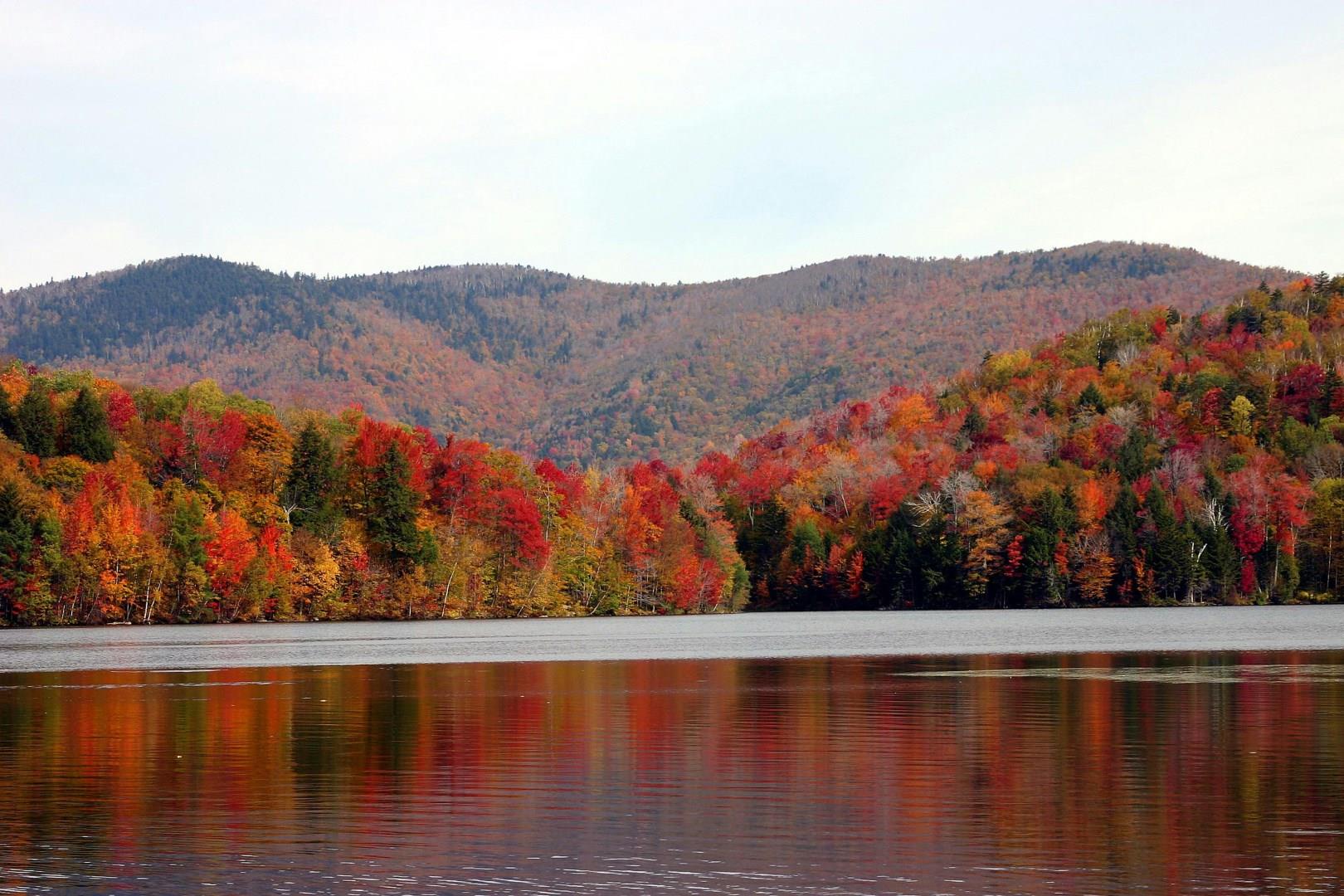
Killington, Vermont is best known for its ski resort, the largest in the eastern United States, but the town offers more than just winter slopes. Nicknamed “The Beast of the East,” Killington Resort spans six mountain peaks and includes over 1,500 acres of terrain. It was one of the first ski areas in the country to adopt snowmaking technology in the 1960s, and it continues to operate one of the longest ski seasons in North America, sometimes stretching from October into May.

Chiapas
This southern Mexican state borders Guatemala. Its mountainous highlands and dense rainforest are dotted with several Mayan archaeological sites and Spanish colonial towns.
Foz do Iguaçu
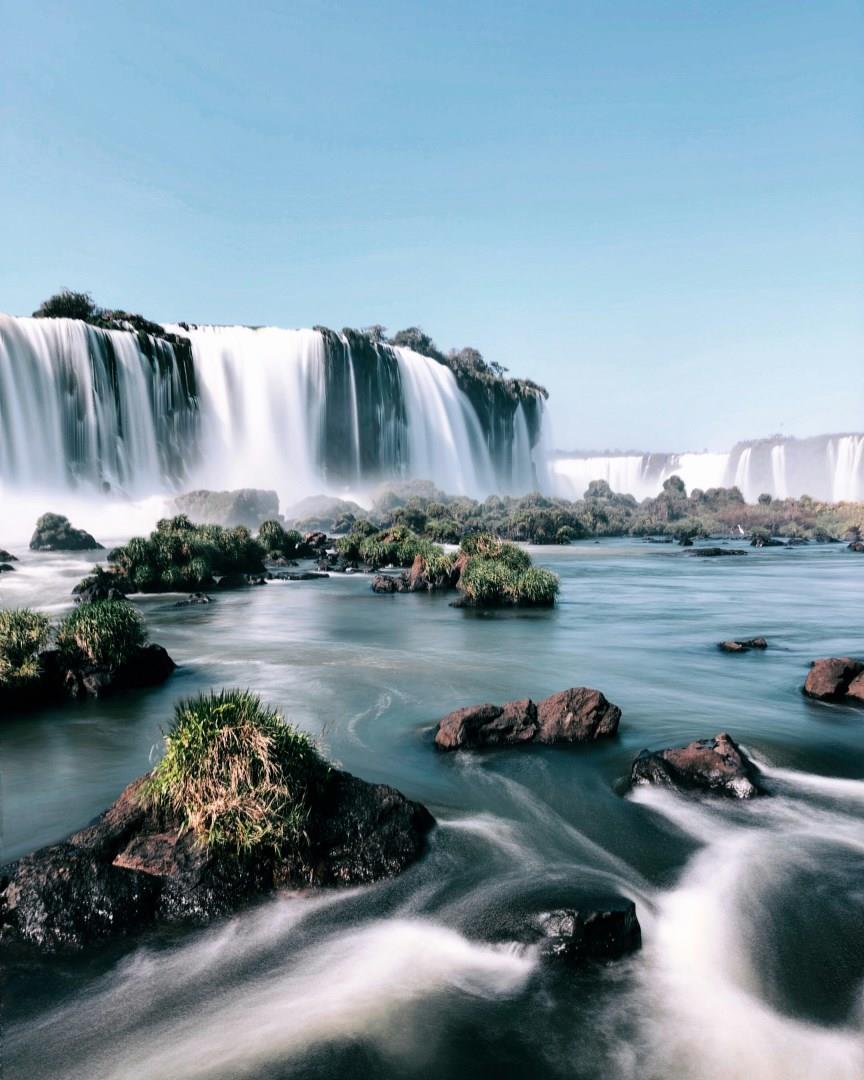
Set at the meeting point of Brazil and Argentina, Foz do Iguaçu is defined by the sheer scale of the Iguaçu Falls. Nearly 275 individual waterfalls stretch across close to three kilometers, sending mist into the air and sound echoing through the surrounding forest. Visitors follow raised walkways that bring them face to face with this moving wall of water, culminating at the dramatic Devil’s Throat, a deep, curved drop where the river seems to vanish into the earth.
