

Passau
Passau sits on the confluence of the Danube, the Inn and the Ilz, so it is fitting that it is known as "the Dreiflüssestadt", which means the “City of Three Rivers.” The historical center offers a cathedral, churches and museums to explore, and the embankment is perfect for a romantic stroll.

Nakuru
Nestled in Kenya's Rift Valley, Nakuru is a city that captivates with its stunning natural beauty and vibrant wildlife. The city is renowned for Lake Nakuru National Park, a UNESCO World Heritage Site known for its extraordinary flocks of flamingos that once numbered in the millions. Although flamingo populations fluctuate, the lake remains a sanctuary for other bird species and wildlife, including black and white rhinos, giraffes, and lions.

Barcelona
To visit Barcelona is to embrace both the past and the future. There is much to do and see in this cosmopolitan capital of Catalonia, from medieval structures to beaches to UNESCO Heritage Sites by Antoni Gaudí and Lluís Doménech i Montaner.
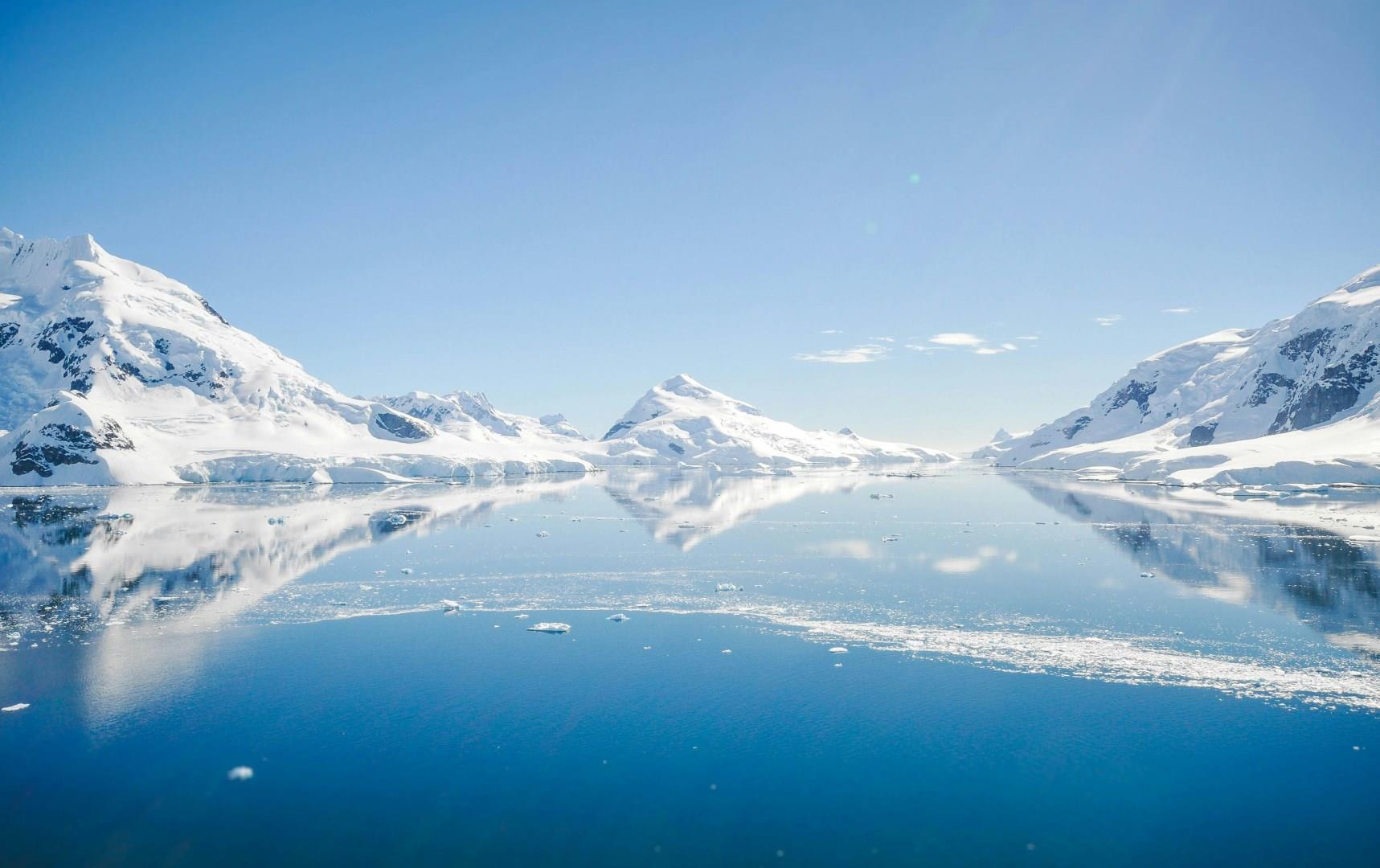
Antarctica
The continent lying mainly within the Antarctic Cirle with the South Pole approximately at its center. The Antarctic Treaty of 1959, signed by 12 countries prohibits military activities and promotes the exchange of scientific information.

Spitzkoppe
Spitzkoppe, often referred to as the "Matterhorn of Namibia," is a stunning granite peak rising majestically from the desert floor, offering some of the most dramatic landscapes in the country. Located between Usakos and Swakopmund, this isolated mountain range, with its highest point standing at 1,728 meters, is a paradise for hikers, climbers, and nature lovers. The area is also rich in ancient San rock art, providing visitors with a glimpse into Namibia's prehistoric past.
