

Las Vegas
Las Vegas, Nevada, is an electrifying city where glitz and glamour meet entertainment and excitement. Known as "The Entertainment Capital of the World," Las Vegas offers an unparalleled array of attractions, from its iconic casinos and luxurious hotels to its world-class dining and live shows. The city's entertainment scene is second to none, featuring legendary headliners, cutting-edge performances, and an array of themed attractions.

Washington D.C.
Washington, D.C., the vibrant capital of the United States, offers a perfect blend of history, politics, and culture that makes it a must-visit destination for travelers. Known for its iconic landmarks, such as the Lincoln Memorial, the Washington Monument, and the U.S. Capitol, D.C. offers endless opportunities to explore the country’s history through its architecture and museums.

Fuerteventura
The Old Canary Country is the island with the longest coast line, offering wide plains, gentle valleys, and huge beaches. Some of its beaches compare with the best in the world.
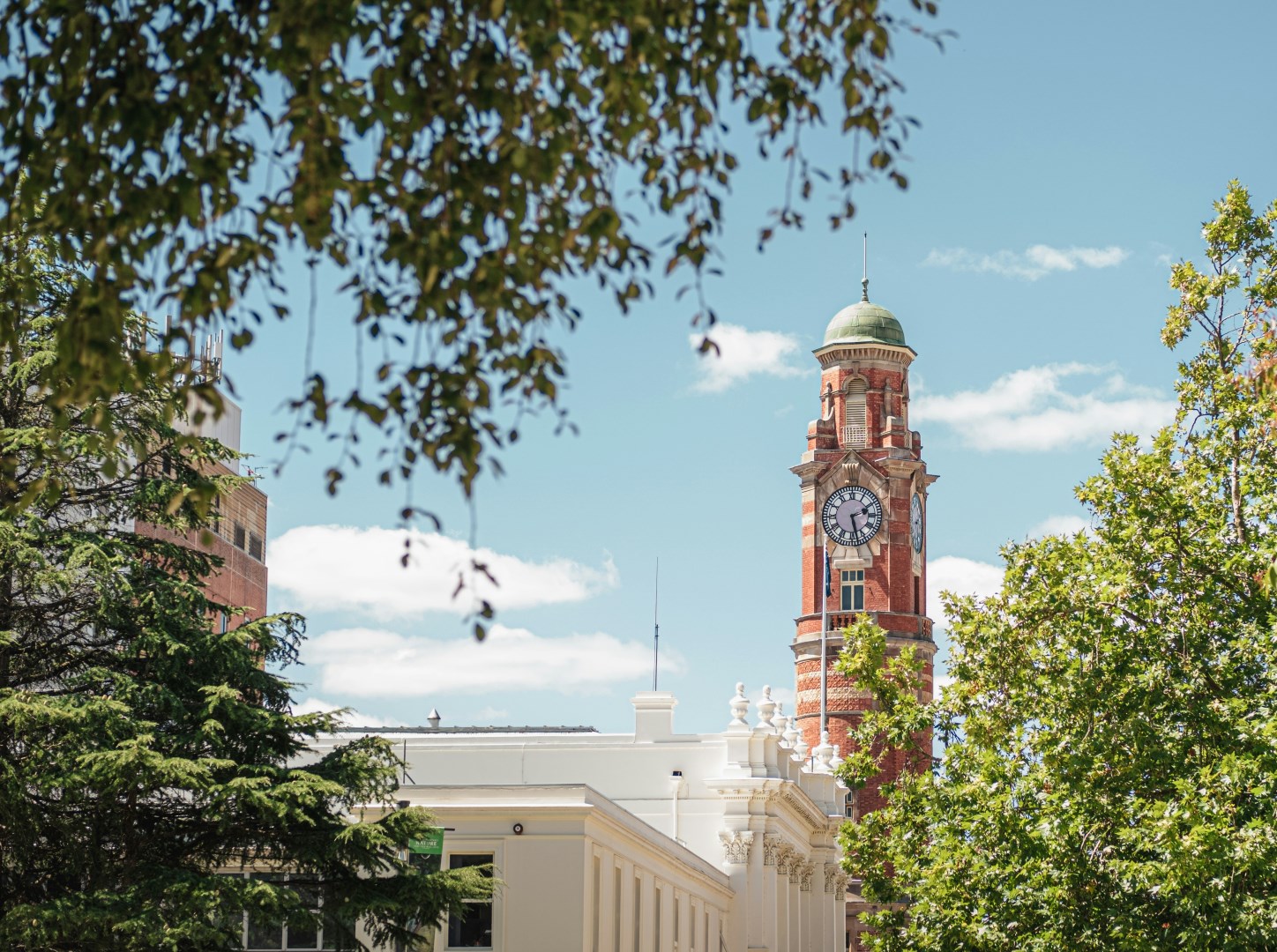
Launceston Tasmania
Launceston is a city in northern Tasmania, Australia, positioned where the Tamar, North Esk, and South Esk rivers meet. It serves as one of the island’s main urban centers and is known for its well-preserved streetscapes, public parks, and proximity to agricultural regions.
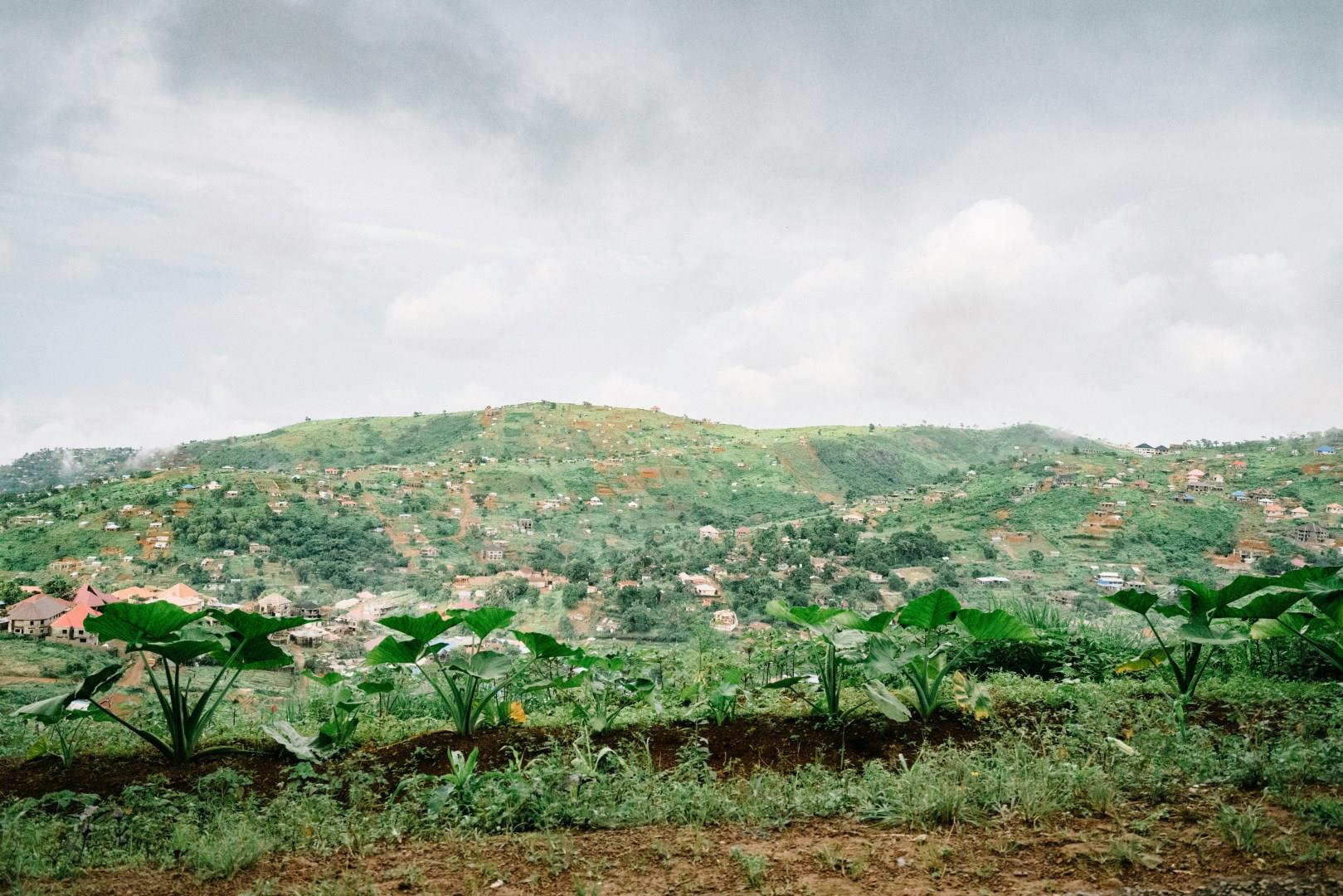
Freetown
Freetown, the capital of Sierra Leone, is a city where history and daily life intertwine along the shores of the Atlantic. Founded in 1792 as a settlement for freed slaves from Britain and the Americas, it remains a place of cultural depth and resilience.
