
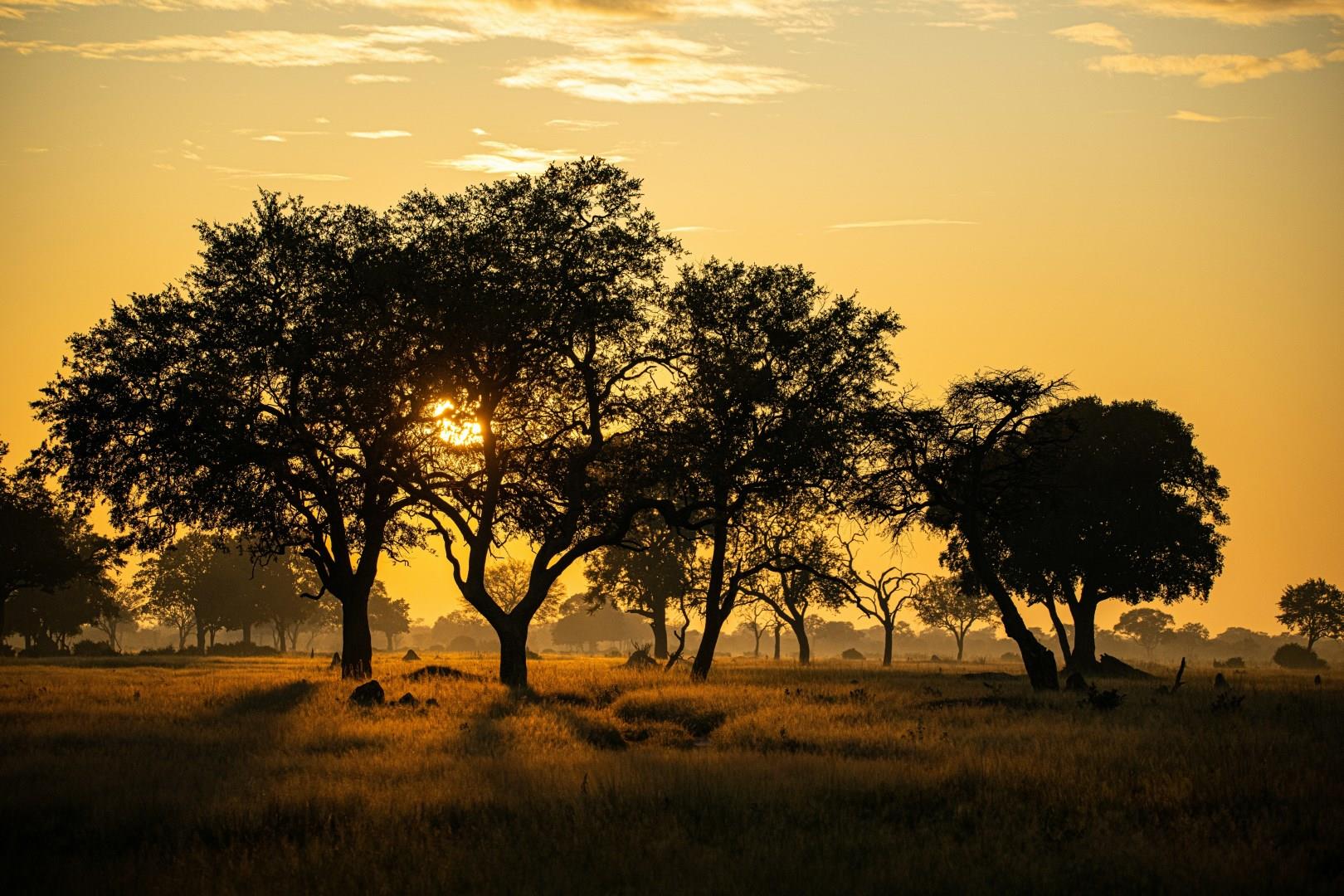
Hwange National Park
Hwange National Park, located in western Zimbabwe, is the country’s largest protected area and one of Africa’s premier wildlife reserves. Covering more than 14,600 square kilometers, it is renowned for its extraordinary diversity of animals and habitats.
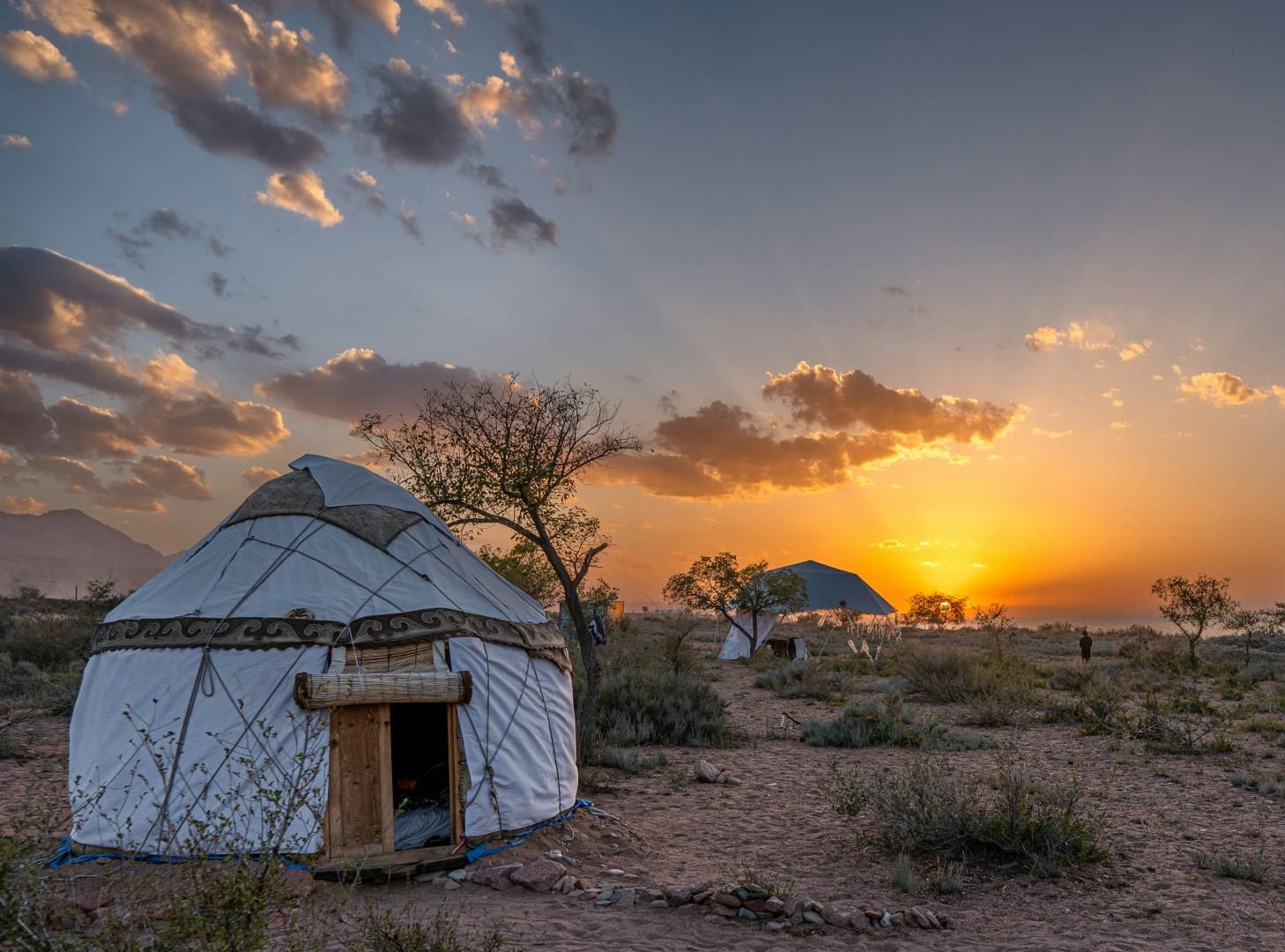
Kyrgyzstan
Kyrgyzstan, a country in Central Asia, is known for its rugged mountains, alpine lakes, and rich nomadic traditions. The Tien Shan mountain range dominates the landscape, offering opportunities for hiking, horseback riding, and exploring remote villages.

Roatán
Roatan is the largest of the eight islands known collectively as Las Islas de la Bahia. Brilliant clear blue waters and palm fringed beaches are cooled by gentle trade winds. An extensive reef system offers the most spectacular diving and snorkeling in the Western hemisphere, while inland nature reserves give an up-close look at native wildlife, including monkeys, sloths, and parrots.

France
France offers far more than its capital city. While Paris draws millions each year, the country’s true richness lies in its variety, from Alpine villages to Atlantic coastlines, medieval towns to Mediterranean markets. In Normandy, visitors can walk along the D-Day beaches or explore the towering abbey of Mont-Saint-Michel, which becomes an island at high tide. Further inland, the Loire Valley is dotted with over 300 castles, many of which are open for tours and even overnight stays.
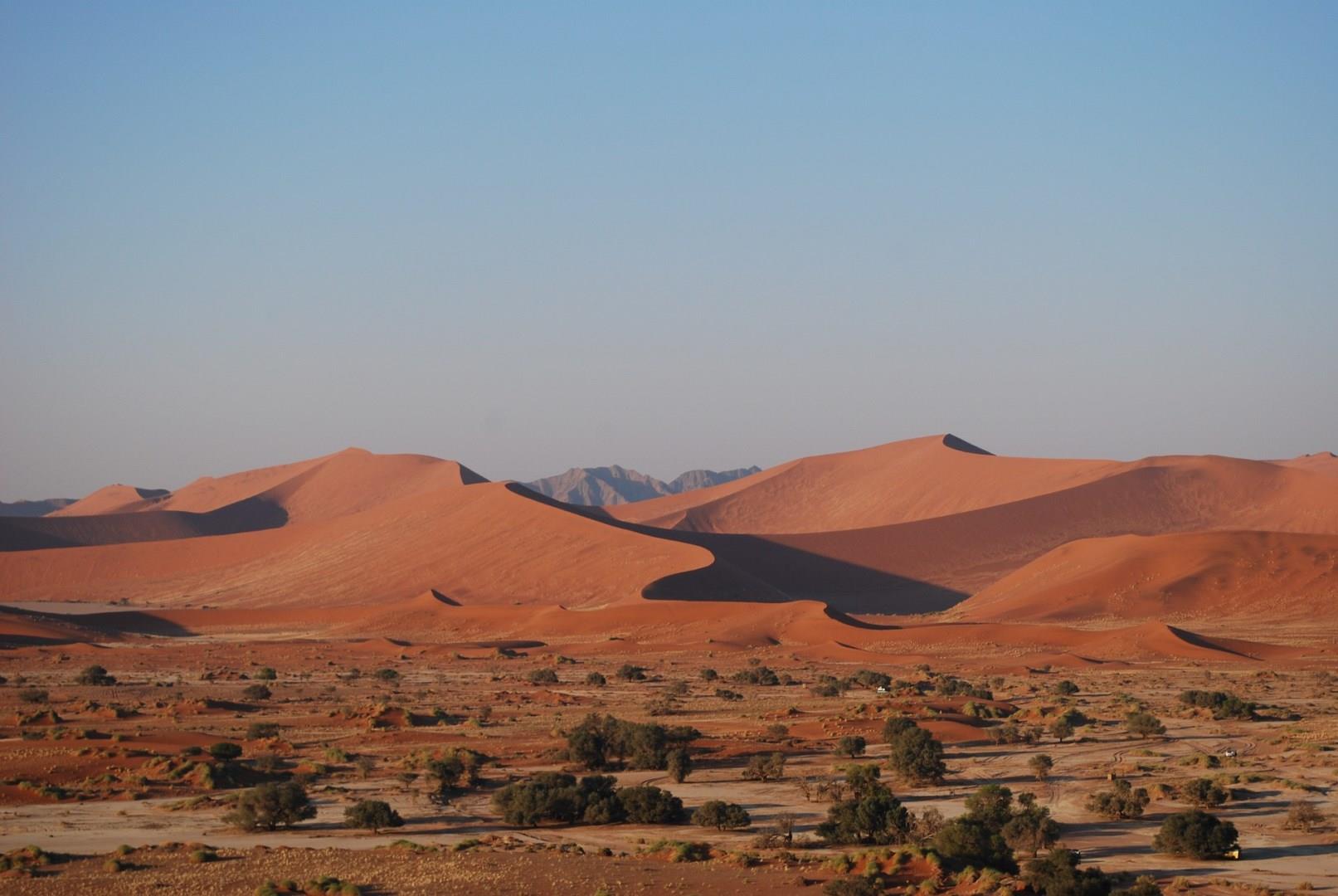
Sesriem
Sesriem, located in the heart of Namibia’s Namib Desert, serves as the gateway to the world-famous Sossusvlei and Deadvlei, two of Namibia’s most iconic landscapes. The dramatic red dunes of the Namib Desert, some of the highest in the world, are an awe-inspiring sight, particularly at sunrise when the light casts long shadows, creating an otherworldly contrast of colors.
