

Qaqortoq
The largest town in South Greenland, Qaqortoq is known for its colorful houses and vibrant art scene.
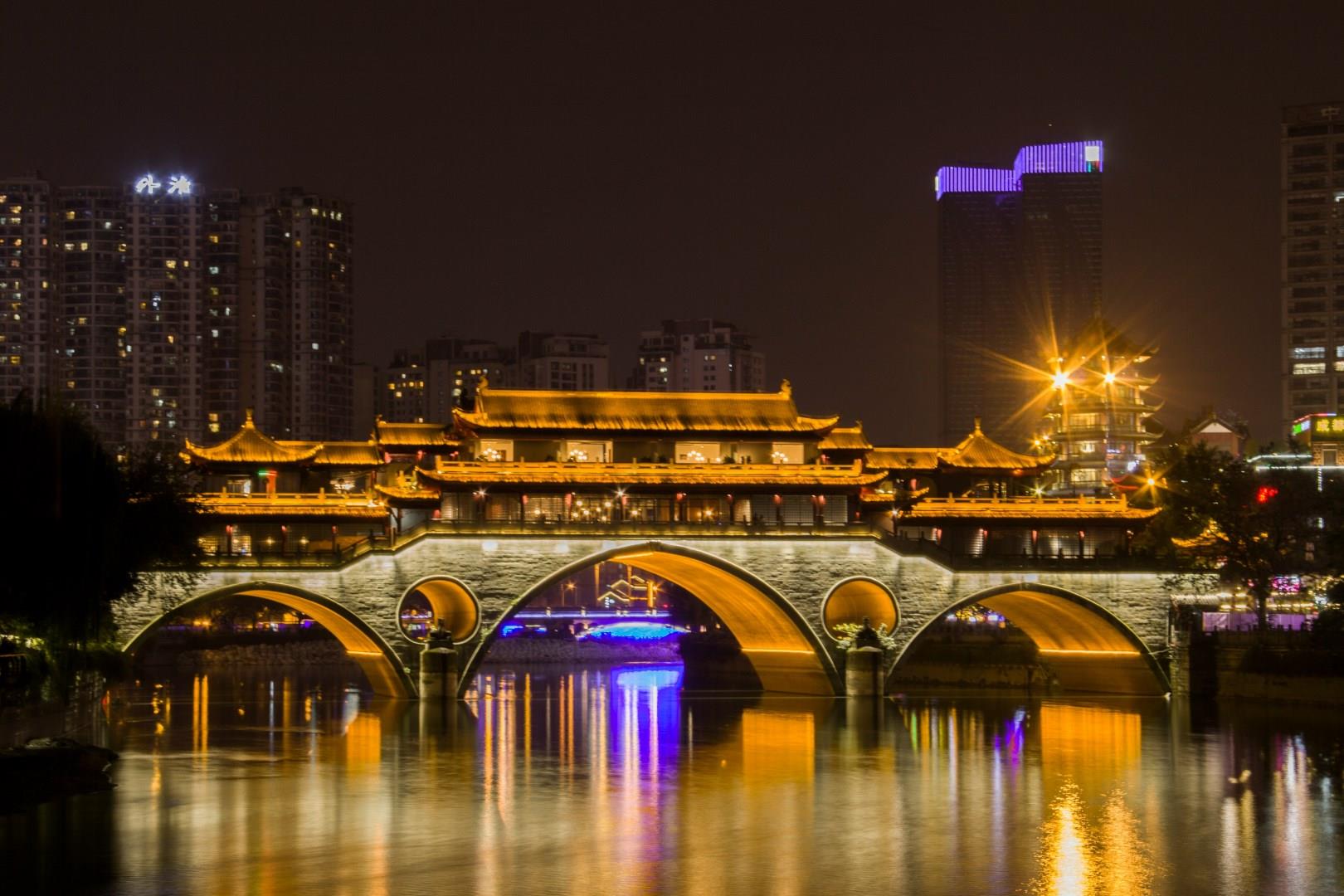
Chengdu
Chengdu, the capital of China's Sichuan Province, blends modern urban life with centuries of history. It is famous as the home of the giant panda, but its cultural significance extends far beyond wildlife.

Las Vegas
Las Vegas, Nevada, is an electrifying city where glitz and glamour meet entertainment and excitement. Known as "The Entertainment Capital of the World," Las Vegas offers an unparalleled array of attractions, from its iconic casinos and luxurious hotels to its world-class dining and live shows. The city's entertainment scene is second to none, featuring legendary headliners, cutting-edge performances, and an array of themed attractions.

Alyeska
A true destination, Alyeska is Alaska's biggest ski area. At the summit sits Mt. Alyeska Roundhouse, the state's only mountaintop museum.
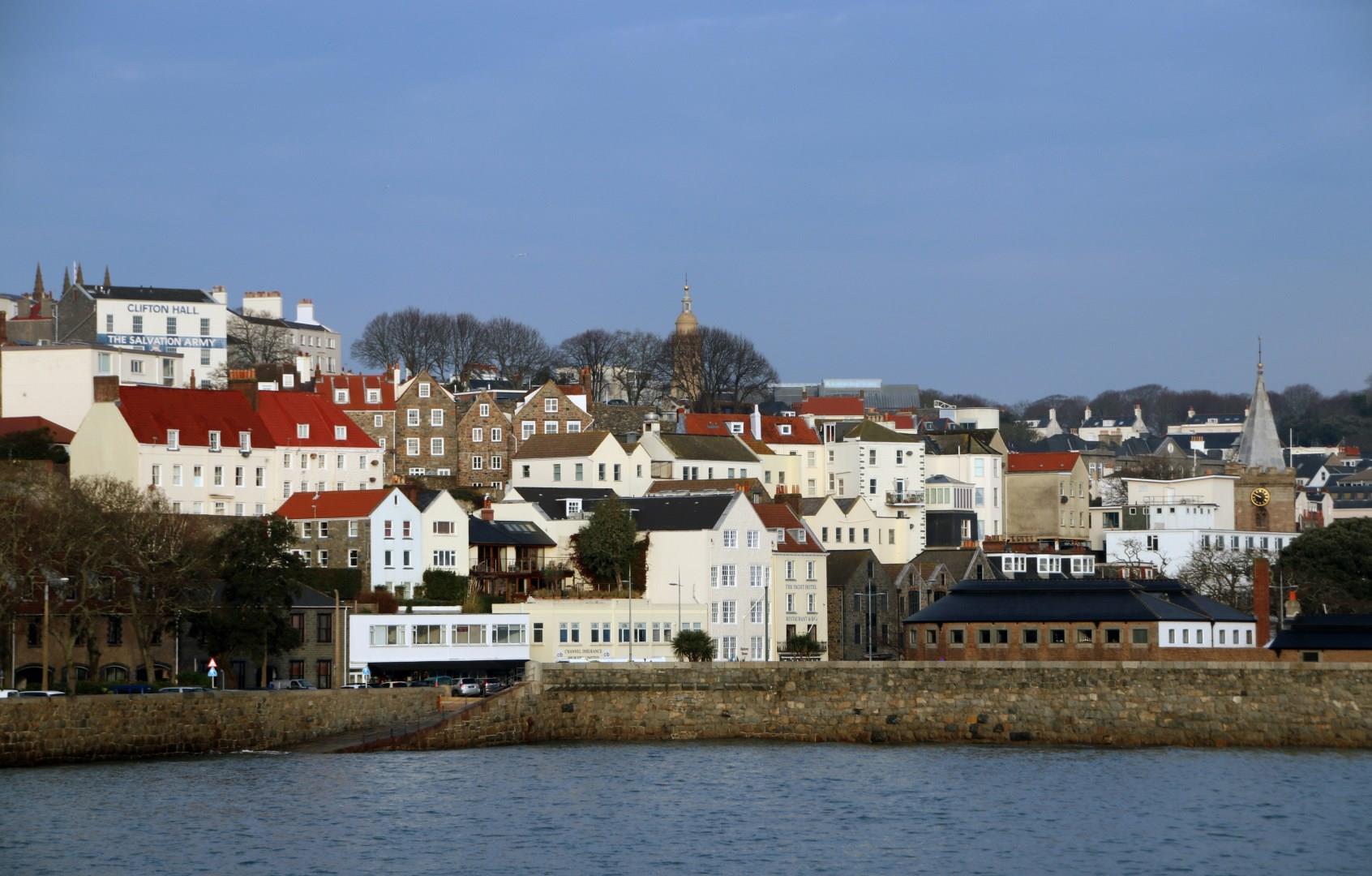
St. Peter Port
St. Peter Port, the charming capital of Guernsey, is a picturesque harbor town brimming with history and culture. Overlooking the serene waters of St. Peter Port Harbour, this city is renowned for its stunning waterfront views and vibrant maritime atmosphere. The harbor area is perfect for leisurely strolls, offering a mix of historical architecture and bustling market streets.
