

Türkiye
Turkey is a country that beautifully blends rich history, stunning landscapes, and vibrant culture, making it a must-visit destination for travelers. From the bustling streets of Istanbul, where East meets West, to the pristine beaches along the Mediterranean and Aegean coasts, Turkey offers something for everyone.
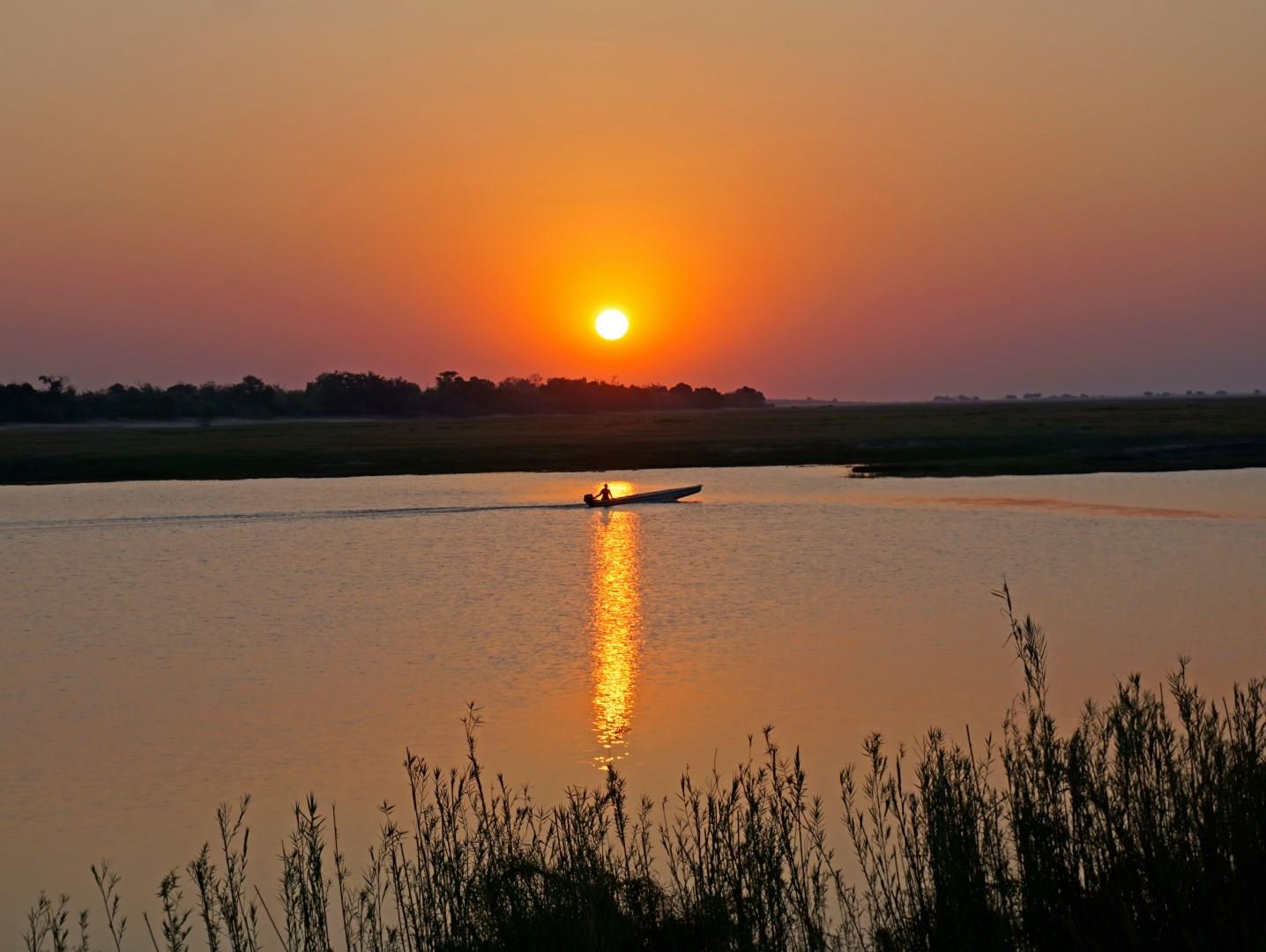
Chobe River
The Chobe River forms the northern boundary of the Chobe National Park. Animal lovers and safari enthusiasts know it as the place where the elephants congregate during winter's dry season and migrant birds are in full color during the wet summer months. The river itself is actually a section of the Cuando River, known as the Chobe from the seasonal lake Liambesi to its outflow at the Zambezi River.

Fukuoka
Fukuoka, Japan’s vibrant city on the island of Kyushu, offers a captivating blend of history, culture, and modern charm. Known for its welcoming atmosphere and rich heritage, Fukuoka is home to the impressive Fukuoka Castle, a historical site that offers a glimpse into the city’s feudal past.
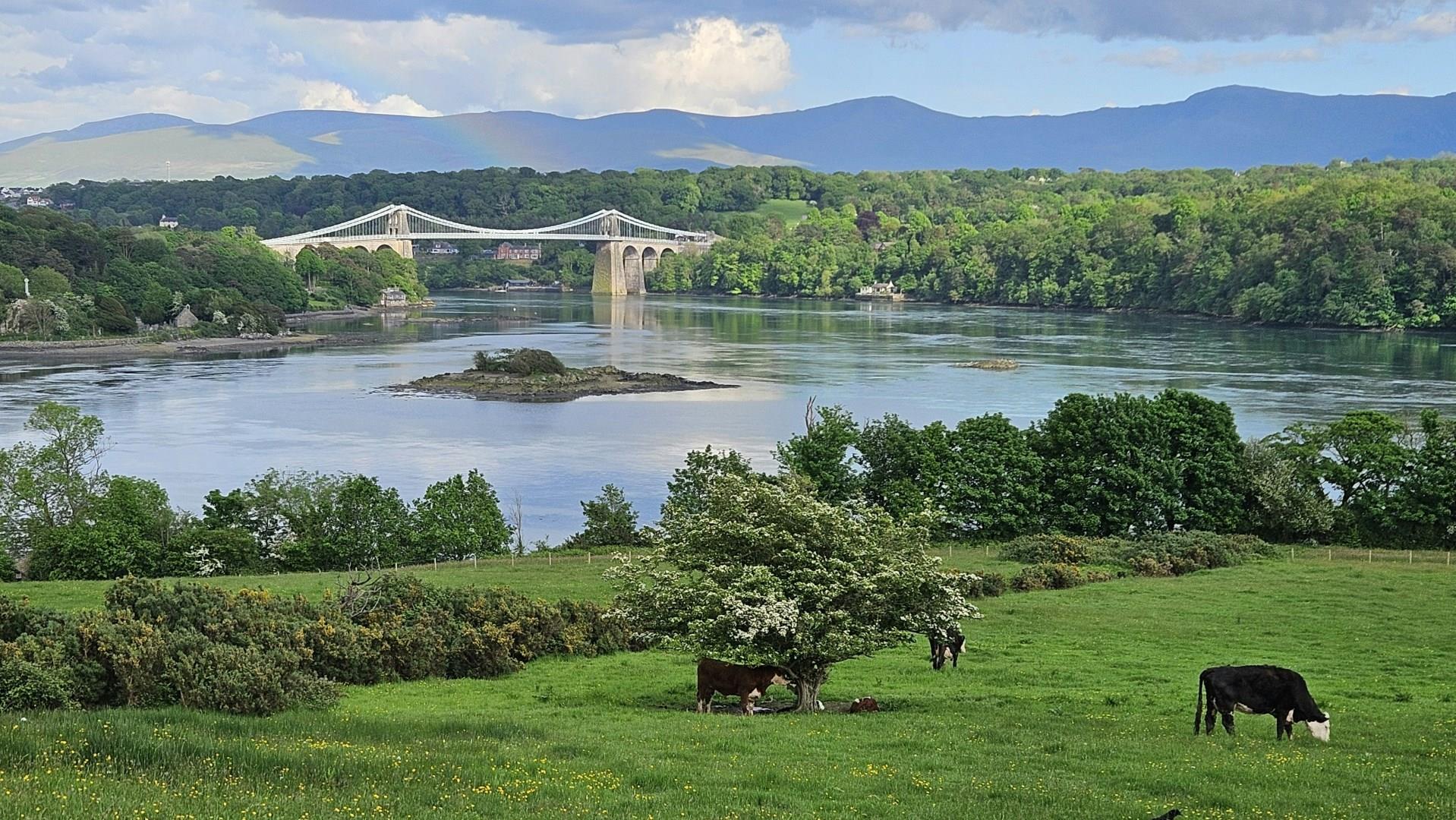
Anglesey
Anglesey is an island off the northwest coast of Wales with a history that stretches back thousands of years. Fertile lands and strategic coastal position made it an early center for agriculture, livestock, and maritime trade.

Rhodes Island
Antiquity is everywhere on the island of Rhodes, from its cobbled Old Town to a mighty acropolis presiding high over the town of Lindos. Ancient ruins recall Crusades-era occupation and Ottoman tyranny, but today, a rather magical Aegean lifestyle is predominant. Travelers will enjoy excellent food, picturesque beaches, buzzing nightlife, and snorkeling in clear waters.
