

Medellín
Nestled in the Aburrá Valley and surrounded by the Andes mountains, Medellín offers a stunning backdrop for visitors and boasts a pleasant climate year-round, earning it the nickname "City of Eternal Spring."

Caye Caulker
Caye Caulker lies off the coast of Belize, a small island that was once a quiet fishing village and today still feels wonderfully uncrowded compared to many Caribbean destinations. Its name likely comes from an English twist on “Hicaco,” the old Spanish name meaning coco plum, a nod to the island’s early days and bilingual roots.

San Juan
San Juan, Puerto Rico’s capital, is a city where cobblestone streets lead to centuries-old forts and pastel-colored buildings overlook the Atlantic. The district of Old San Juan is a UNESCO World Heritage Site, known for its Spanish colonial architecture and thick stone walls that once defended the city from pirates and naval attacks. The city hosts regular events such as La Campechada, which celebrates Puerto Rican art and literature with live performances and open-air exhibits.

Massachusetts
Massachusetts, a state steeped in American history and vibrant culture, offers visitors a rich tapestry of experiences. Begin your journey in Boston, the state capital, where history comes alive along the Freedom Trail. This 2.5-mile route takes you through pivotal sites such as the Massachusetts State House, Paul Revere’s House, and the Old North Church, where the famous signal lanterns were hung during the American Revolution.
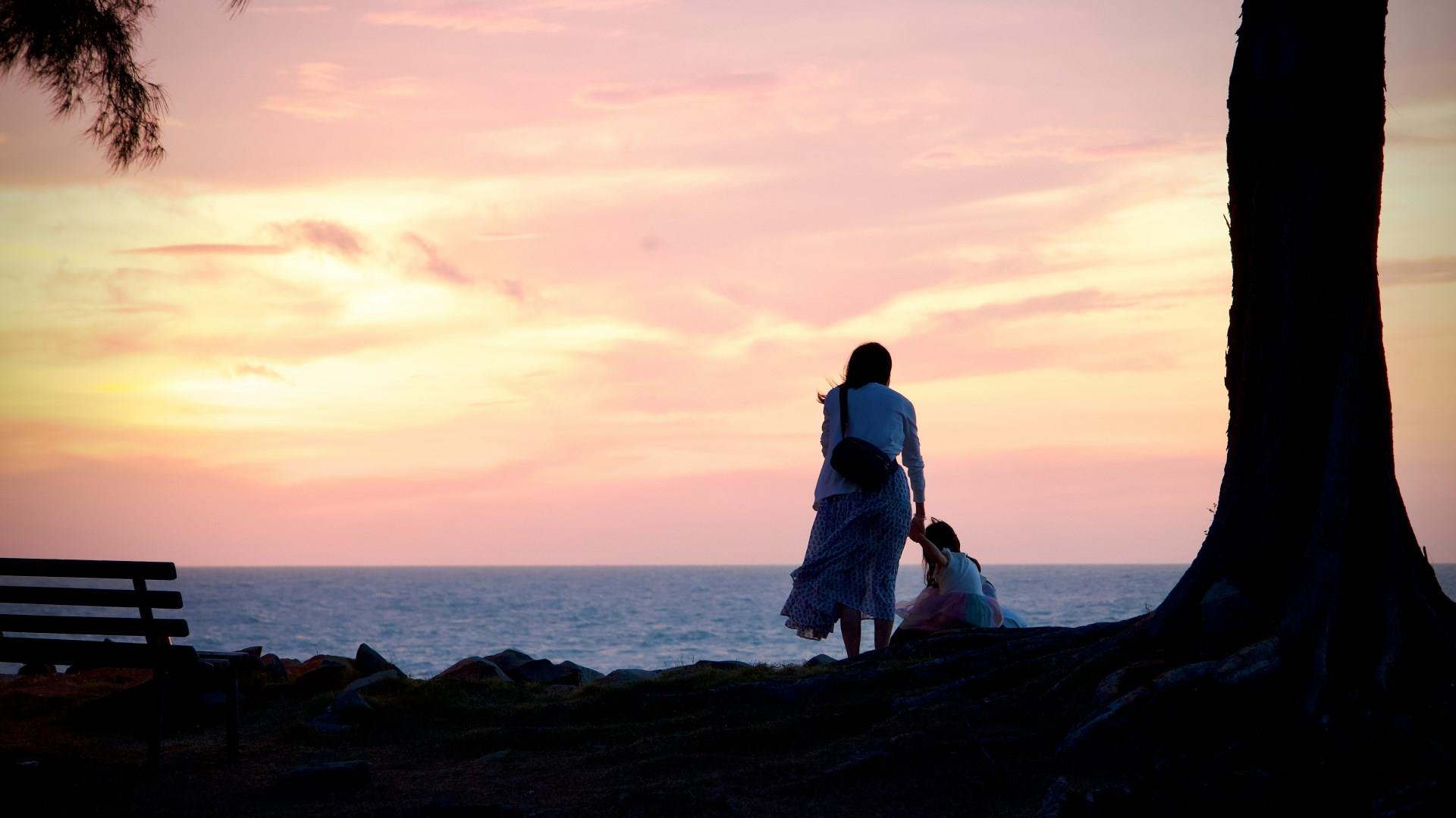
Muara
Muara is a small coastal town in Brunei, positioned where the Brunei River meets the South China Sea.
