

Phuket
Phuket, Thailand’s largest island, has long served as a cultural and trade crossroads in the Andaman Sea. Centuries ago, it was a stopover for merchants trading tin, spices, and textiles, with influences from Chinese, Portuguese, Indian, and Malay travelers still reflected in the island’s architecture and cuisine. Inland, the Khao Phra Thaeo Wildlife Sanctuary protects rainforest habitat home to gibbons, civets, and exotic birds.

San Cristóbal Island
One of San Cristobal Island's most popular visitor sites is Cerro Brujo, with its expansive white sand beach and a lagoon that locals once used as a salt mine but now offers excellent snorkeling opportunities. Another must-see is Kicker Rock, a fascinating rock formation that looks like a boot from one angle (hence its English name) and like a sleeping lion from another (thus its Spanish name, Roca León Dormido).
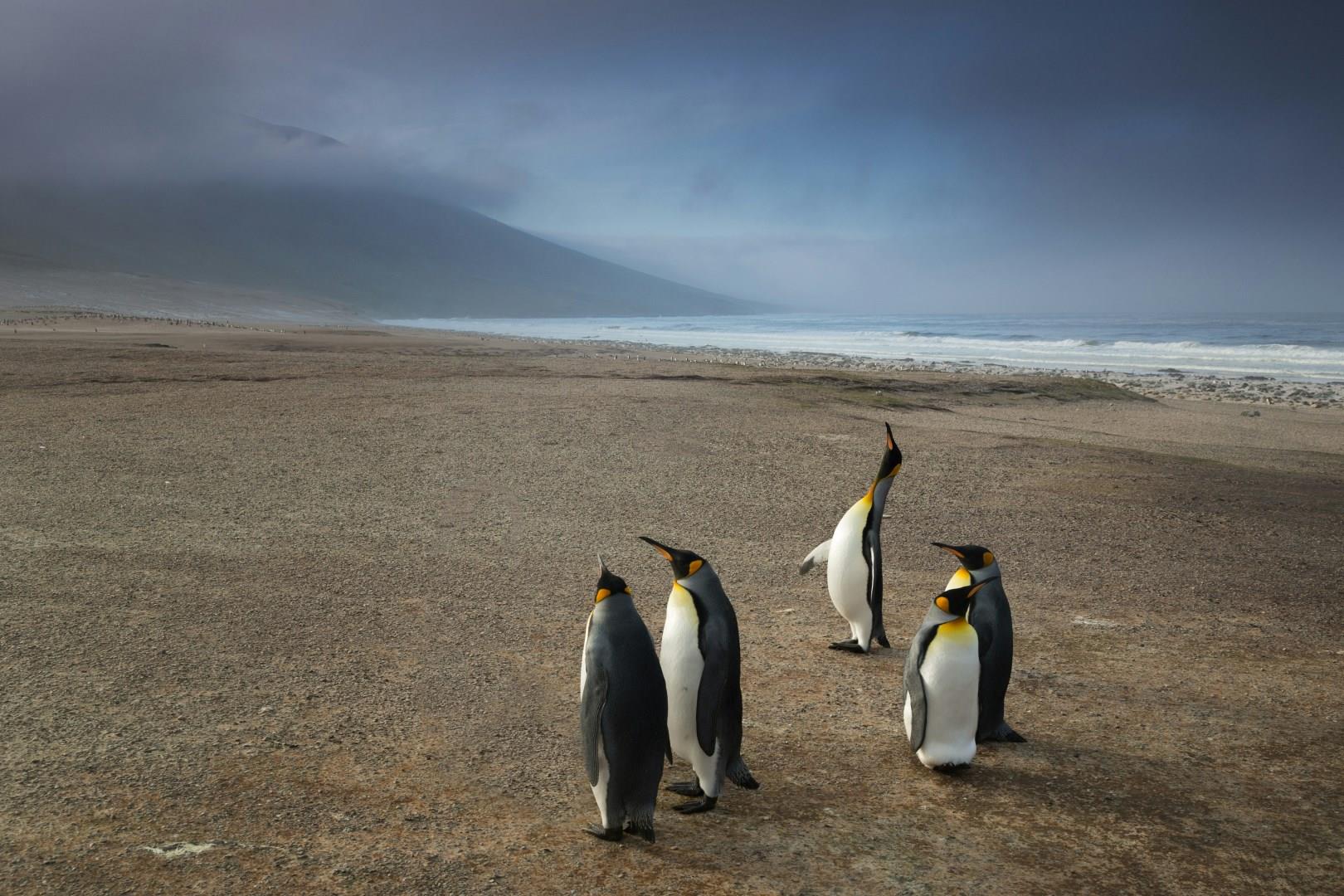
Falkland Islands
The Falkland Islands, a remote archipelago in the South Atlantic, offer a striking combination of wild open spaces, rich wildlife, and a way of life shaped by wind, sea, and resilience. With fewer than 3,500 residents spread across over 700 islands, the Falklands provide a rare opportunity to disconnect from busy modern life and connect with wide skies, rugged coastlines, and some of the most accessible wildlife experiences on the planet.

Spitz
Located on the banks of the Danube, Spitz an der Donau is a charming market town in Austria's Wachau valley. Occupied since Celtic times, Spitz offers spectacular views of the Danube valley.

Albany
Albany is the oldest European settlement in Western Australia and was a major whaling station, and coal shipping port. There are fantastic views over the town of Albany, and the fantastic coastal scenery from the top of both Mt Clarence and Mt Melville.
