
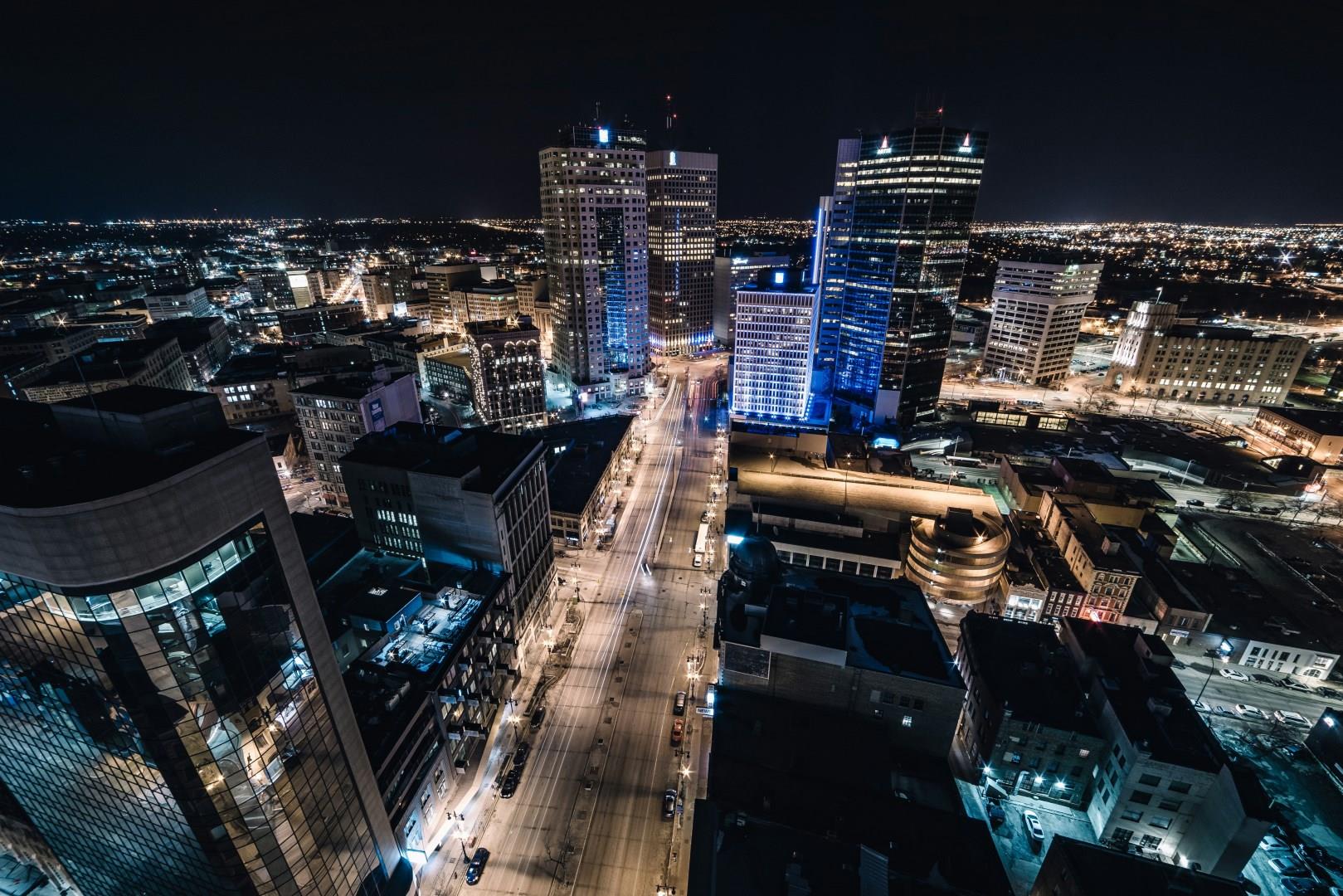
Winnipeg
Winnipeg sits at the meeting point of the Red and Assiniboine rivers, a location that has shaped its role as a gathering place for thousands of years. Long before it became a modern city, the area was central to Indigenous trade networks, a legacy that remains visible today through institutions like The Forks and the Canadian Museum for Human Rights.
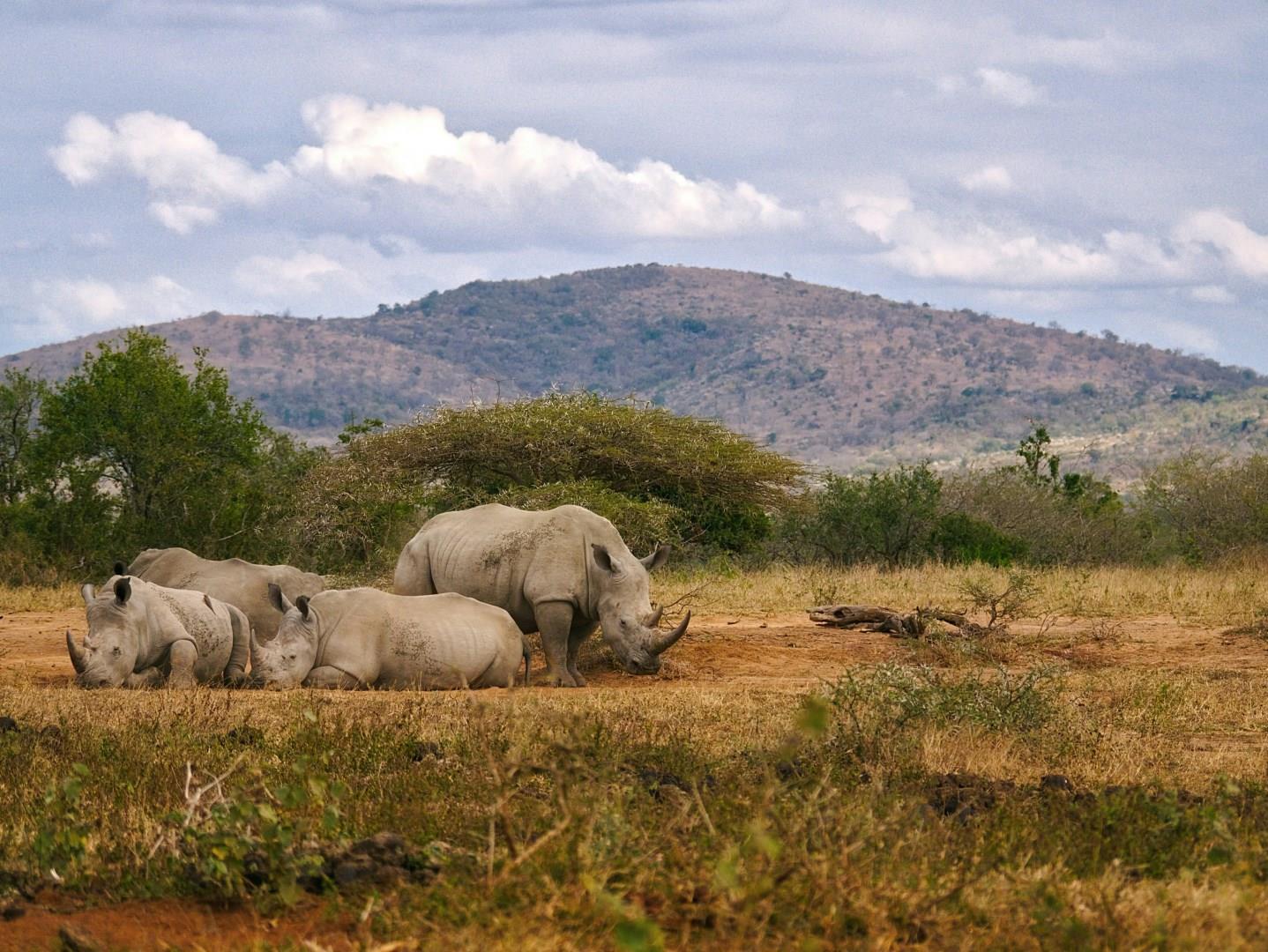
Hluhluwe-iMfolozi Park
Hluhluwe–iMfolozi Park, in South Africa’s KwaZulu-Natal province, is one of the country’s oldest protected areas and holds deep historical importance in conservation.
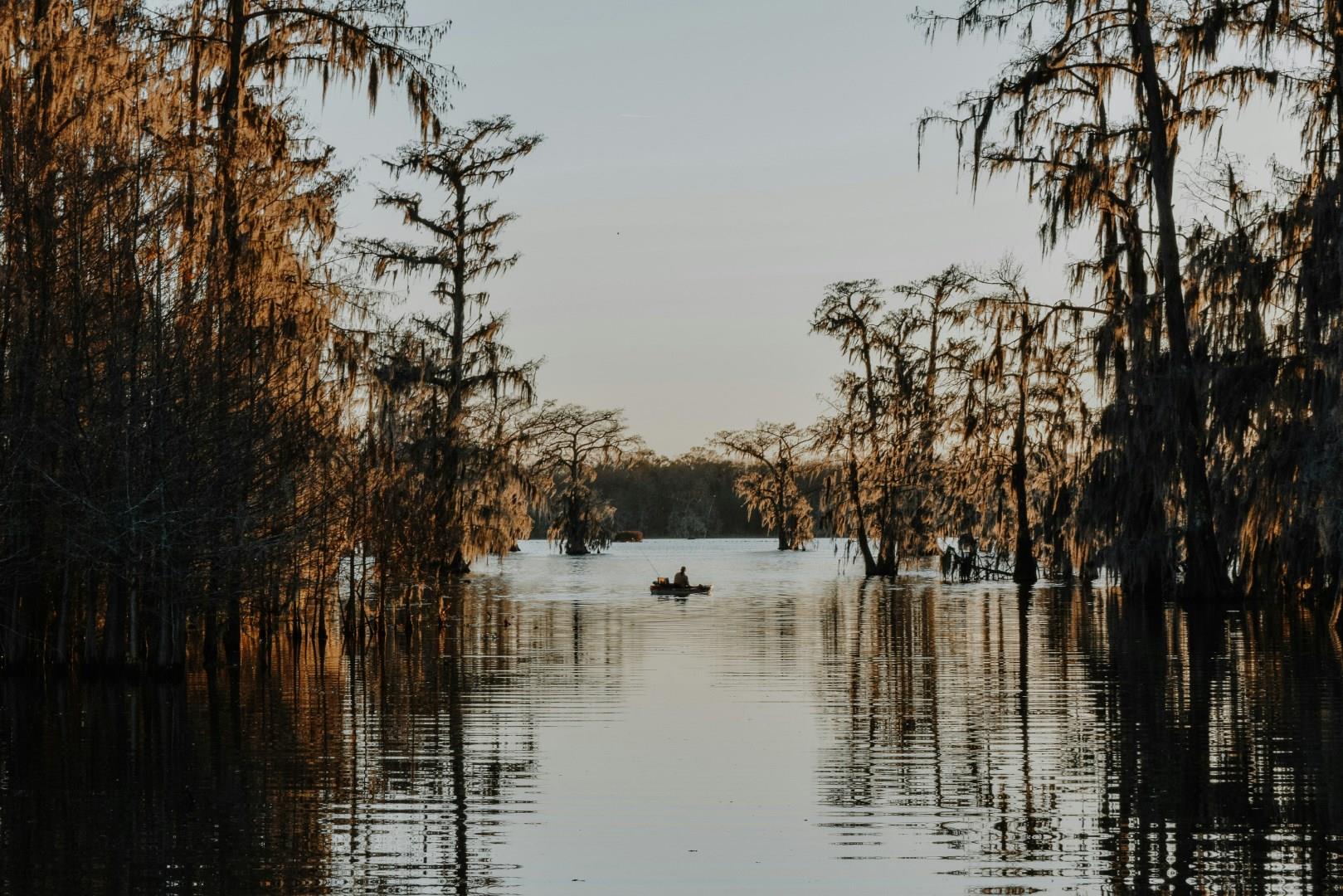
Lafayette
Lafayette is often called the heart of Cajun country for good reason. This vibrant city blends French-speaking roots with bold music, rich storytelling, and a culture that doesn’t just celebrate life but dances through it. Originally settled by Acadians expelled from Canada in the 1700s, Lafayette has grown into a lively hub where traditions are preserved and passed down through generations.

Venezuela
Venezuela is a country of contrasts, offering travelers a mix of rainforests, savannas, and Caribbean beaches. The country is home to unique destinations like Canaima National Park, where the world-famous Angel Falls, the tallest waterfall on Earth, cascades from an incredible height of 979 meters (over 3,200 feet). Visitors can take boat trips through jungle rivers, explore the iconic tabletop mountains, and marvel at the landscapes.

Honolulu, Oahu
Honolulu, the capital of Hawaiʻi and the largest city in the Pacific, blends the energy of a major urban center with the deep roots of Native Hawaiian culture. Set on the island of Oʻahu, it’s home to iconic beaches, royal history, and a rhythm all its own. This sunny capital city is the main portal to the larger Hawaiian archipelago, and the perfect base for exploring Oahu.
