

Bournemouth
Bournemouth, located on England's southern coast, is a charming resort town known for its expansive beaches and picturesque seafront. The town's seven miles of sandy coastline, including the famous Bournemouth Beach, offer a delightful retreat for sunbathers, swimmers, and water sports enthusiasts. The beach is complemented by the Bournemouth Pier, where visitors can enjoy stunning views of the English Channel, take a leisurely stroll, or dine at one of the seaside cafes.
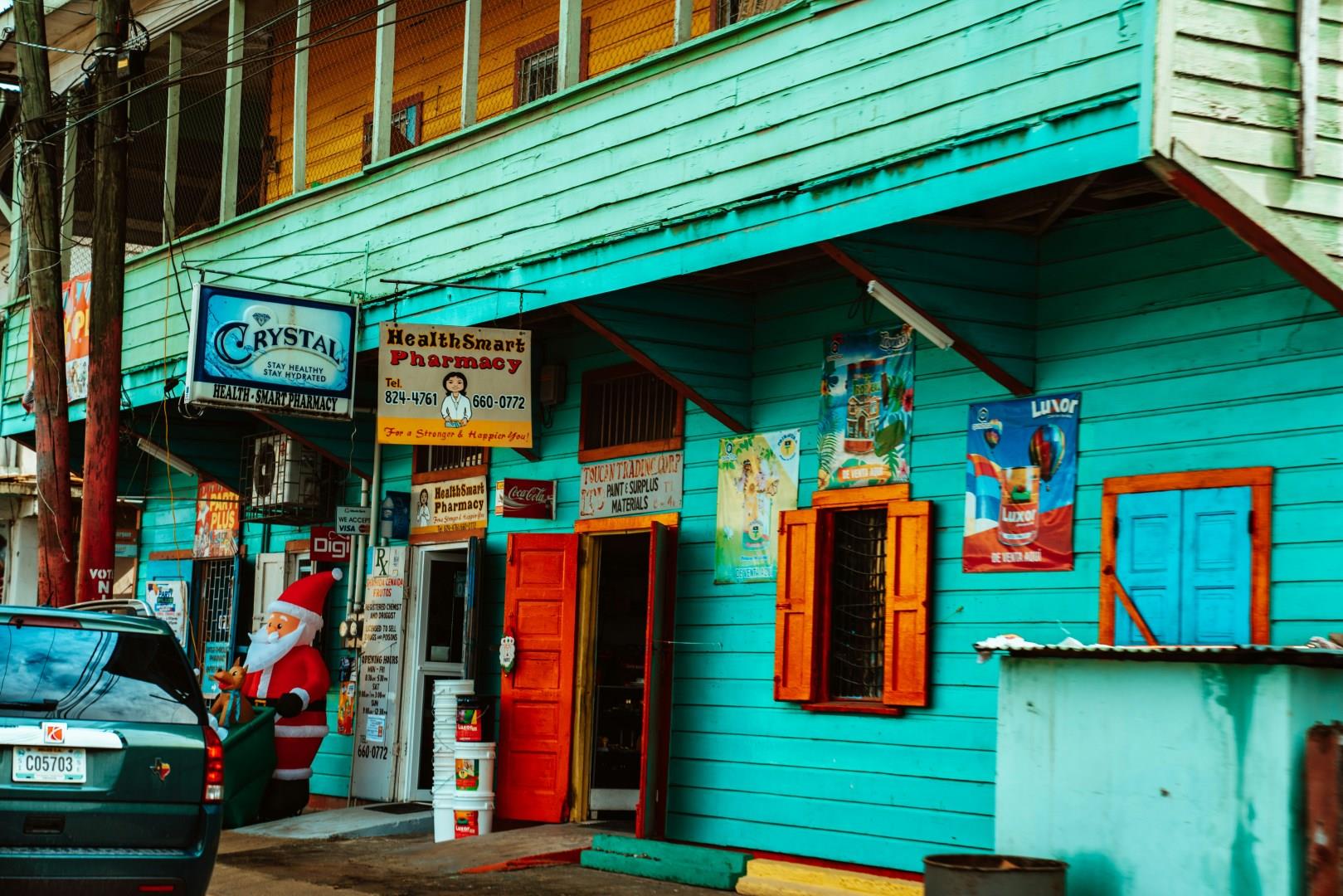
San Ignacio
San Ignacio sits in western Belize’s Cayo District on the banks of the Macal and Mopan Rivers, where the town and its sister settlement of Santa Elena are linked by Belize’s lone suspension bridge. Its location also makes San Ignacio a gateway to both inland Belize and the nearby Guatemalan border, making it easy for curious travelers to explore beyond town limits.

Rouen
Set on the River Seine, Rouen is Normandy's capital and a breathtaking city steeped in history, art, and romance. Marvel at the exquisite Gothic architecture of the Palais de Justice, l'Église Saint-Maclou, l'Abbatiale Saint-Ouen, and the Cathédrale Notre-Dame de Rouen.
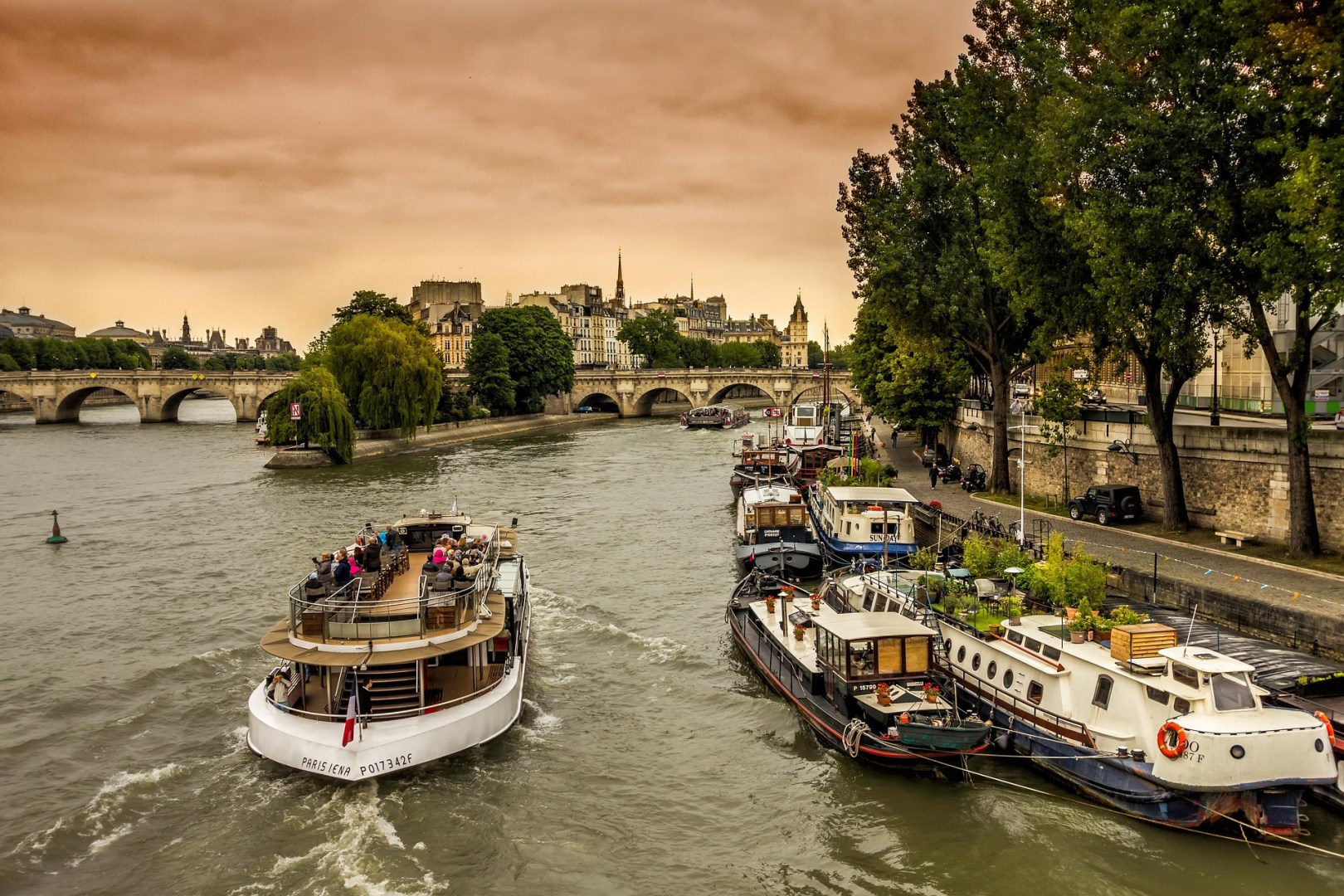
Seine River
The Seine River, meandering gracefully through the heart of Paris, is a living testament to the city’s rich history and vibrant culture. From the picturesque quays to the iconic landmarks lining its banks, the Seine offers an enchanting journey through Parisian elegance.
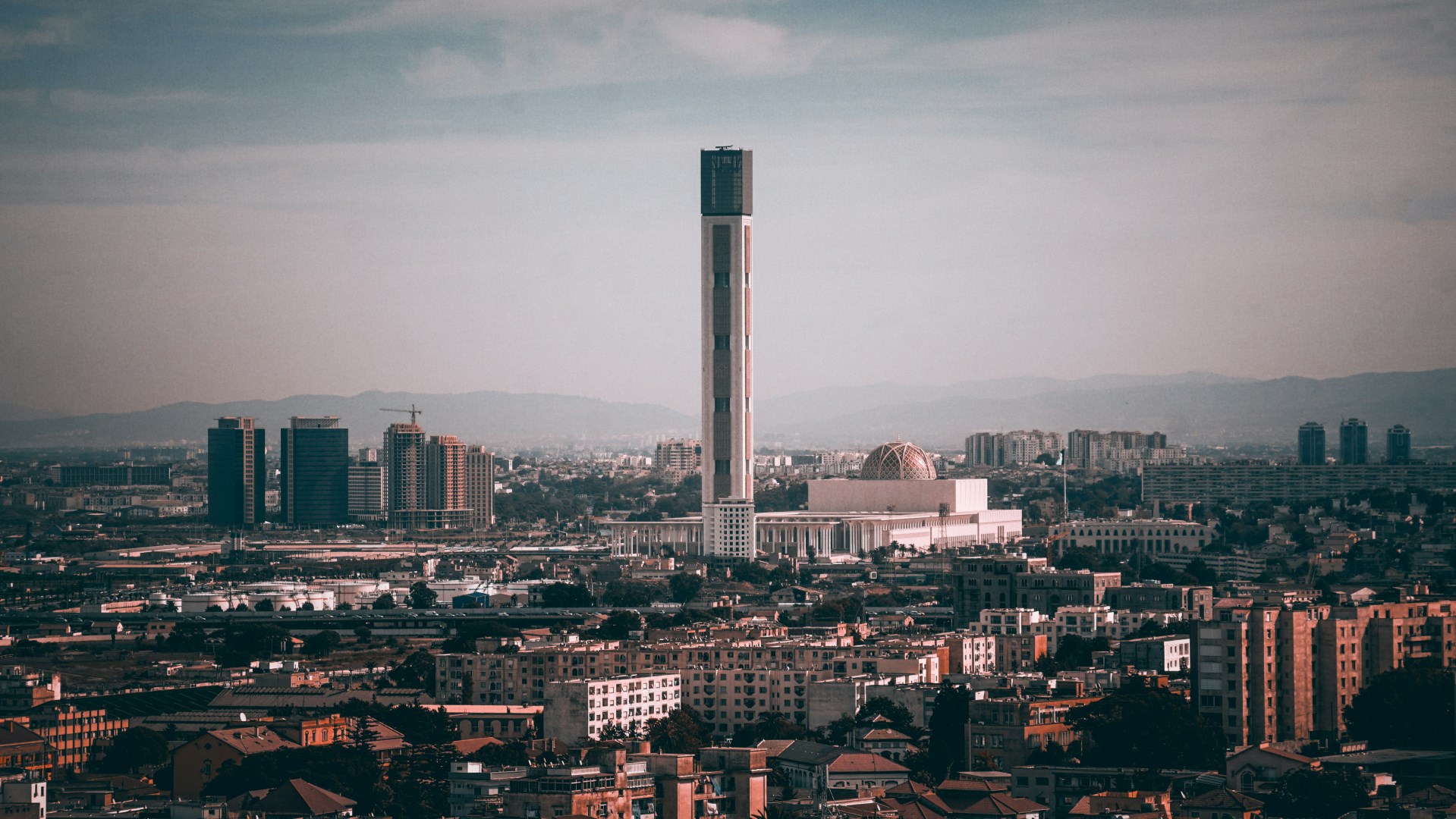
Algeria
Algeria, the largest country in Africa, offers a travel experience that’s both surprising and unforgettable. From the Mediterranean coastline to the vast expanse of the Sahara Desert, the country is full of contrast and color. In Algiers, visitors can wander the narrow lanes of the Casbah, a UNESCO World Heritage site filled with Ottoman palaces, secret stairways, and local life echoing centuries of history.
