
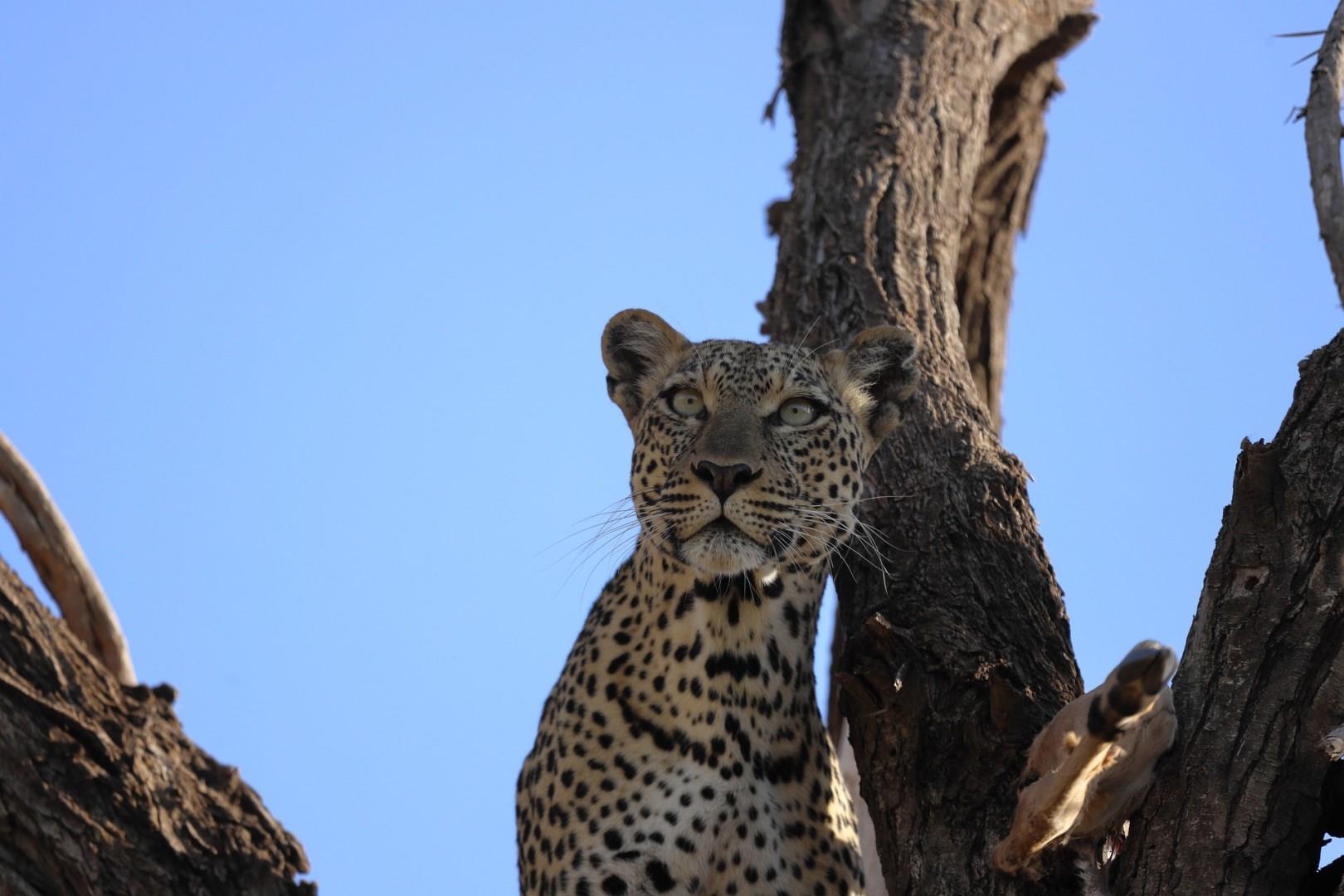
Samburu and Shaba Reserves
Samburu and Shaba Reserves are some of the most pristine reserves in Kenya, and protect a habitat surprisingly rich in wildlife. The Reserves provide the chance to see many species not found elsewhere in Kenya, such as Grey's zebra, the rare beisa oryx and the Somali ostrich.

A Coruna
Perched on the northern coast of Spain, A Coruña (or La Coruña) is a captivating city with a rich maritime heritage and scenic beauty. Dominated by its iconic lighthouse, the Torre de Hércules, which is the oldest functioning lighthouse in the world, A Coruña offers a unique glimpse into ancient engineering.

Napier
On the east coast of North Island, Napier is considered the "Art Deco capital" of New Zealand and the gateway to the Hawke's Bay wine region, whose popular varietals include pinot gris and syrah.

Rhode Island
Rhode Island may be the smallest state in the U.S., but it offers an outsized variety of experiences, from colonial history to coastline escapes. Founded in 1636 by Roger Williams as a haven for religious freedom, the state still reflects its independent spirit. In Providence, travelers can visit the John Brown House Museum to explore the city’s role in early American commerce, or walk Benefit Street, lined with preserved 18th- and 19th-century homes.
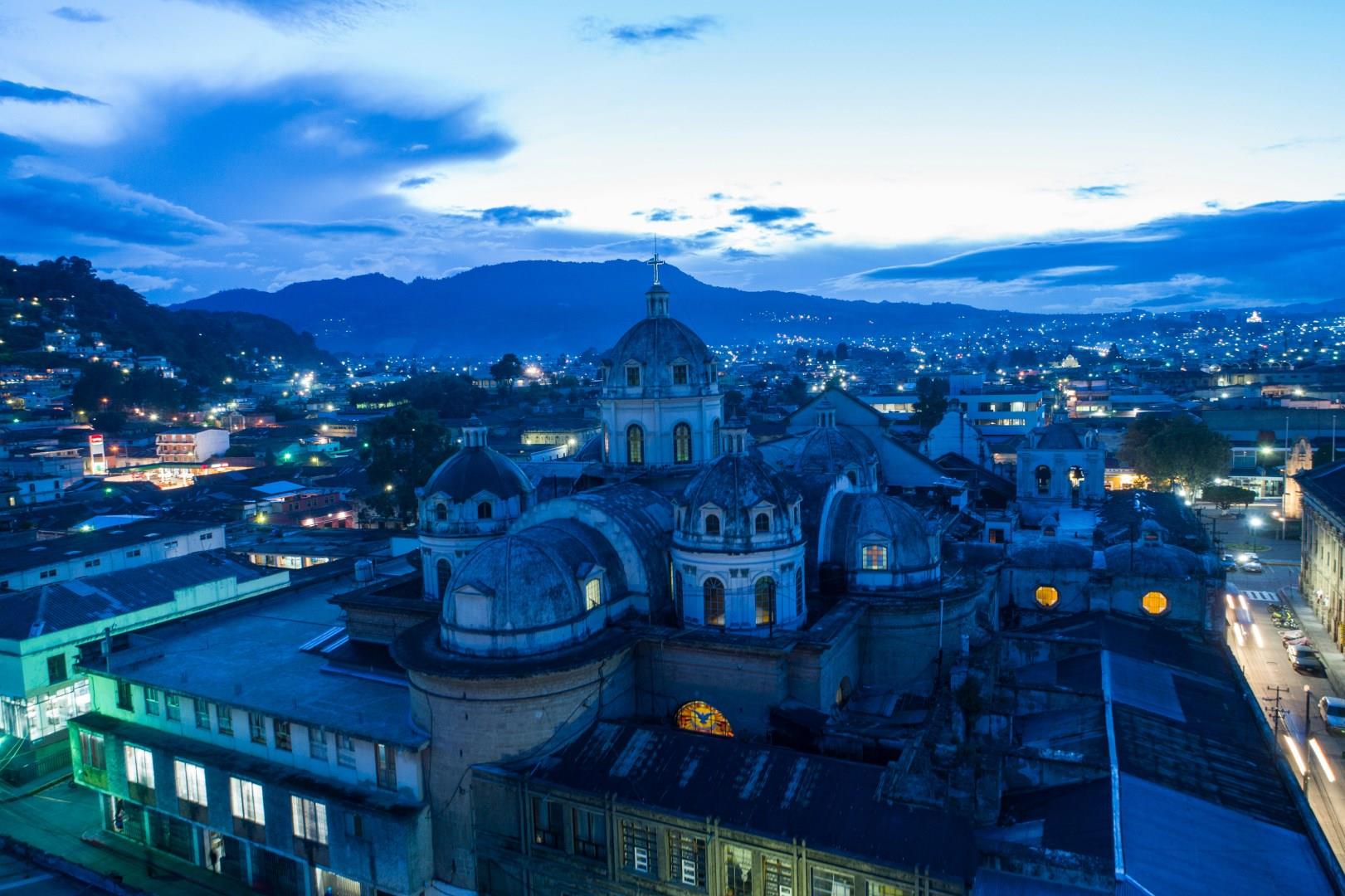
Quetzaltenango
Quetzaltenango, often called Xela by locals, is Guatemala’s second-largest city and a hub of indigenous culture, colonial history, and highland landscapes. Surrounded by volcanoes, including the towering Santa María, the city sits at over 7,600 feet above sea level, giving it a crisp mountain climate that contrasts with the country’s tropical lowlands.
