

Sihanoukville
Nestled along Cambodia’s picturesque coastline, Sihanoukville offers an inviting retreat with its stunning beaches and vibrant culture. This coastal city, named after King Norodom Sihanouk, is renowned for its pristine white sand beaches and turquoise waters.

Agrigento
Agrigento, located on the southern coast of Sicily, is a city steeped in history and renowned for its ancient Greek ruins. The crown jewel of Agrigento is the Valley of the Temples, a UNESCO World Heritage Site and one of the most spectacular archaeological sites in the Mediterranean. Visitors can marvel at the remarkably preserved Temple of Concordia, which dates back to the 5th century BC and is considered one of the best-preserved Greek temples in the world.
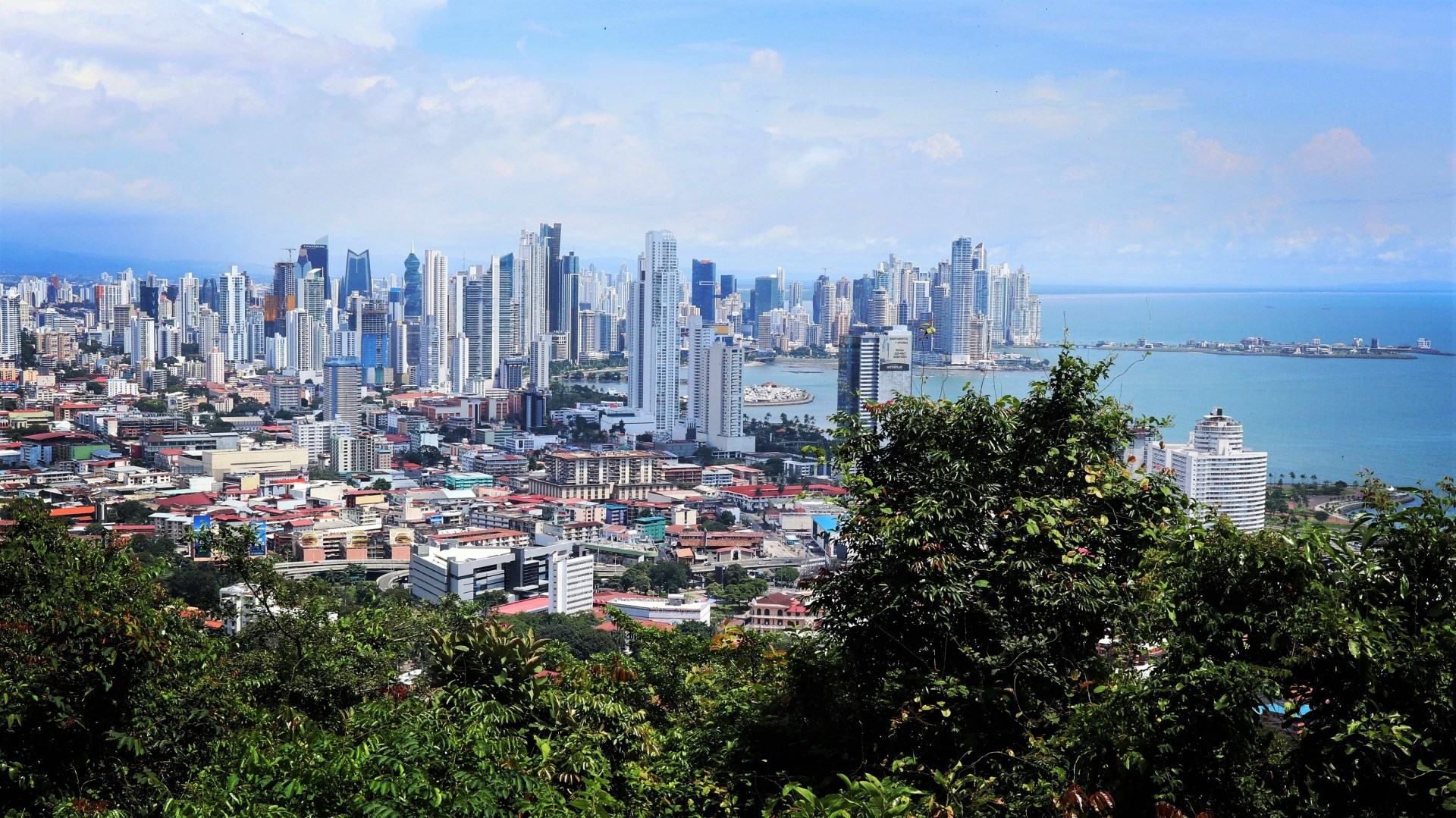
Fuerte Amador
Fuerte Amador is a waterfront district located at the Pacific entrance of the Panama Canal in Panama City. Built on a causeway created with rock excavated during canal construction, the area links four small islands: Naos, Perico, Culebra, and Flamenco.

Waikiki, Oahu
Waikiki, located on the island of Oahu, is a world-renowned destination that perfectly captures the spirit of Hawaii. Known for its iconic crescent-shaped beach, warm turquoise waters, and vibrant nightlife, Waikiki is where Hawaiian royalty once surfed and relaxed, and it remains a hotspot for both relaxation and adventure today.

Kolkata
Kolkata, often referred to as the "City of Joy," is a mesmerizing blend of rich history, culture, and artistic heritage that makes it a must-visit destination for any traveler to India. Once the capital of British India, Kolkata retains much of its colonial-era charm with iconic landmarks like the Victoria Memorial, a stunning marble building surrounded by lush gardens, which now serves as a museum showcasing the city’s colonial and Indian history.
