

Montevideo
Montevideo, Uruguay’s eclectic and diverse capital, is sure to charm you with bustling markets, sunny beaches, and plenty of museums to explore. Start your stay in Montevideo at the city center in Plaza Independencia, a lush town square surrounded by towering palm trees and stunning architecture.
Asmara
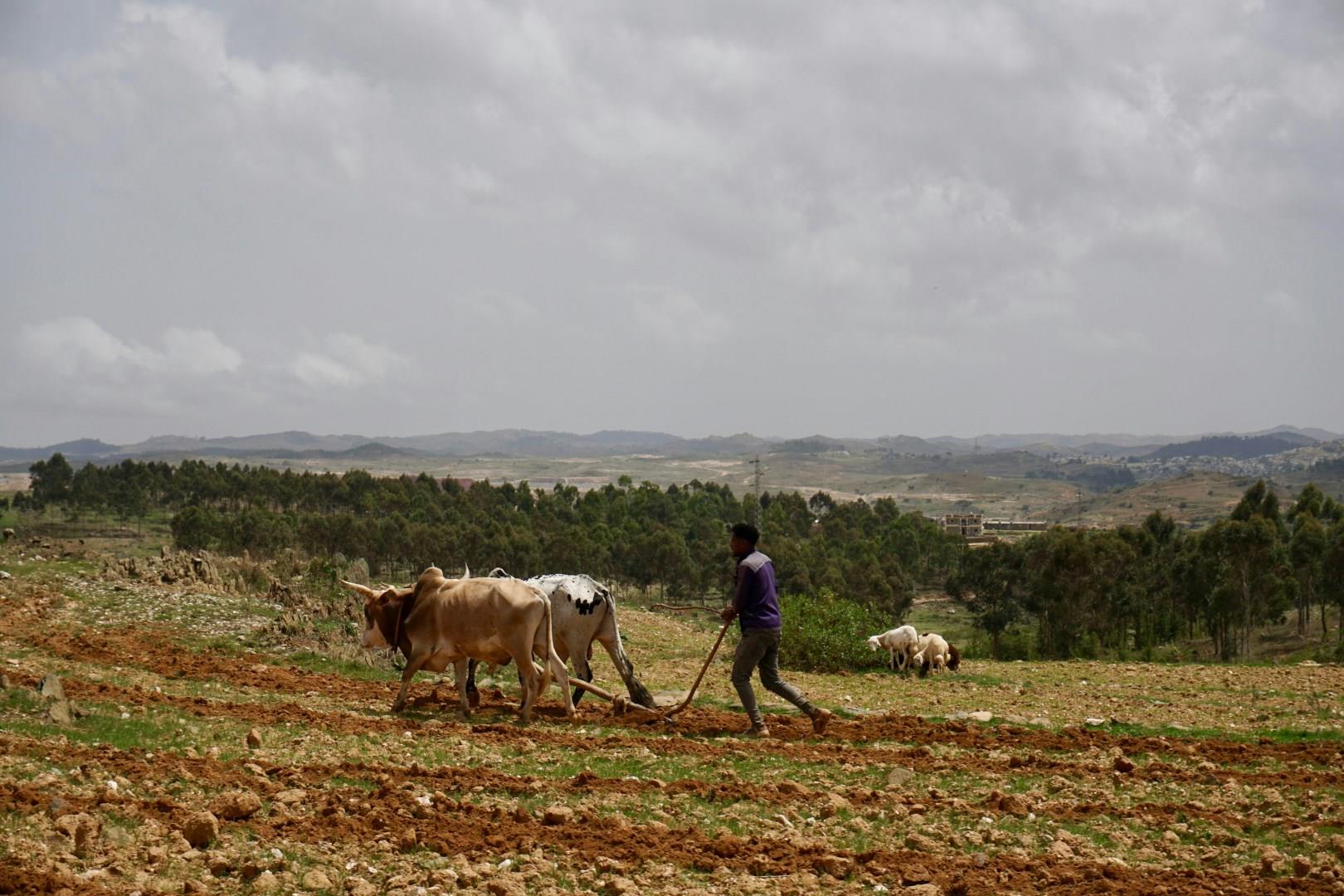
Asmara, the capital of Eritrea, is a city where time seems to have paused in the mid-20th century. Known for its remarkably preserved Italian modernist architecture, the city has earned recognition as a UNESCO World Heritage Site.

Jordan
Beyond its historical sites, Jordan's natural landscapes offer a diverse range of experiences. The Dead Sea, the lowest point on Earth's surface, is renowned for its buoyant waters and therapeutic mud, attracting visitors seeking relaxation and wellness. To the south, Wadi Rum's dramatic desert scenery, with its towering sandstone mountains and vast red dunes, provides a backdrop for adventure activities like jeep tours, camel rides, and stargazing.
Telšiai
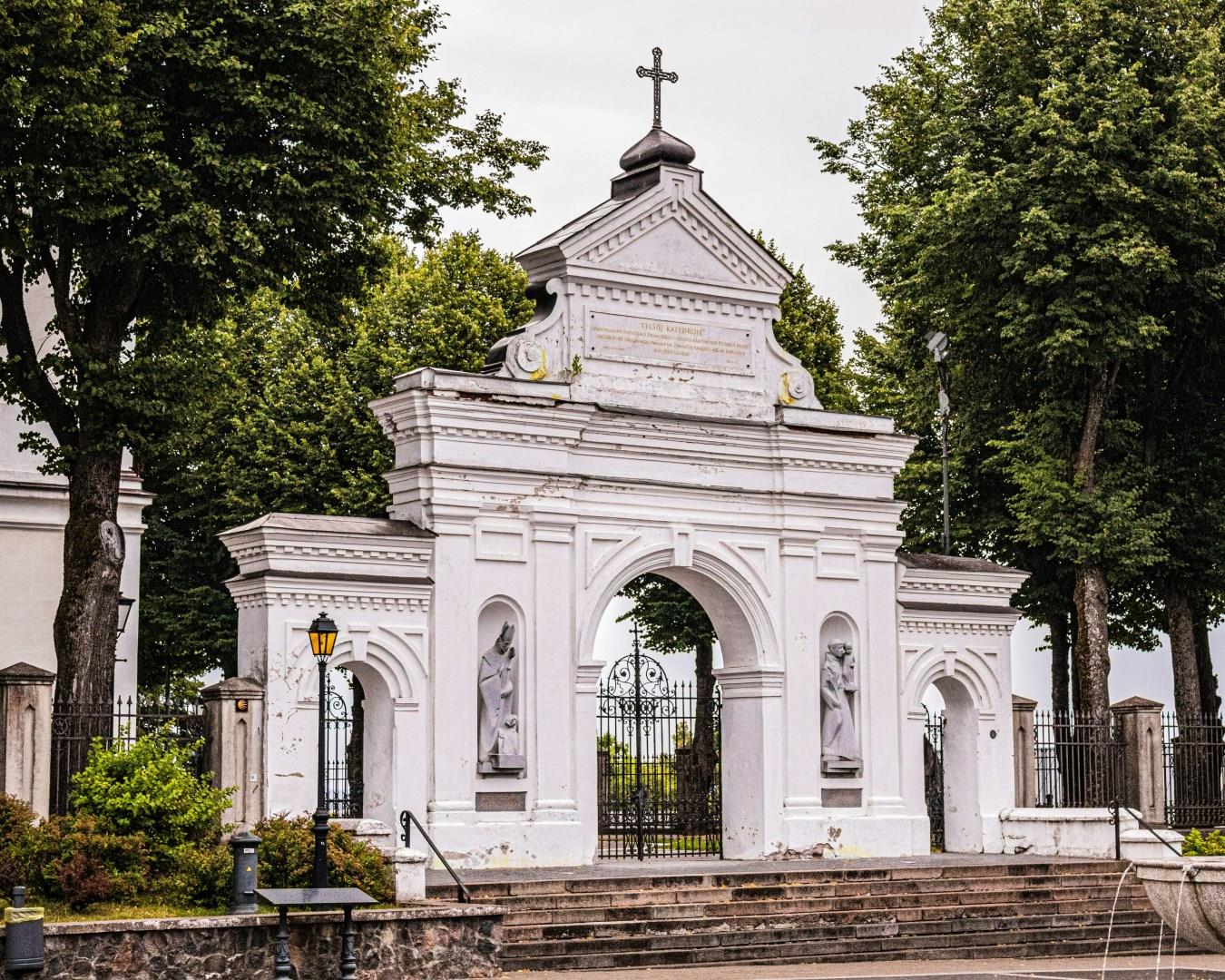
Telšiai, often called the capital of Lithuania’s Samogitia region, offers visitors a deep dive into a unique cultural heritage paired with striking natural settings. The town is set on the shores of Lake Mastis, where the reflections of historic buildings and lush forests create a calm and inviting atmosphere. Telšiai’s old market square bustles with life and is home to some of the town’s most notable landmarks, including the Neo-Gothic St. Anthony of Padua Cathedral.
Tristan da Cunha
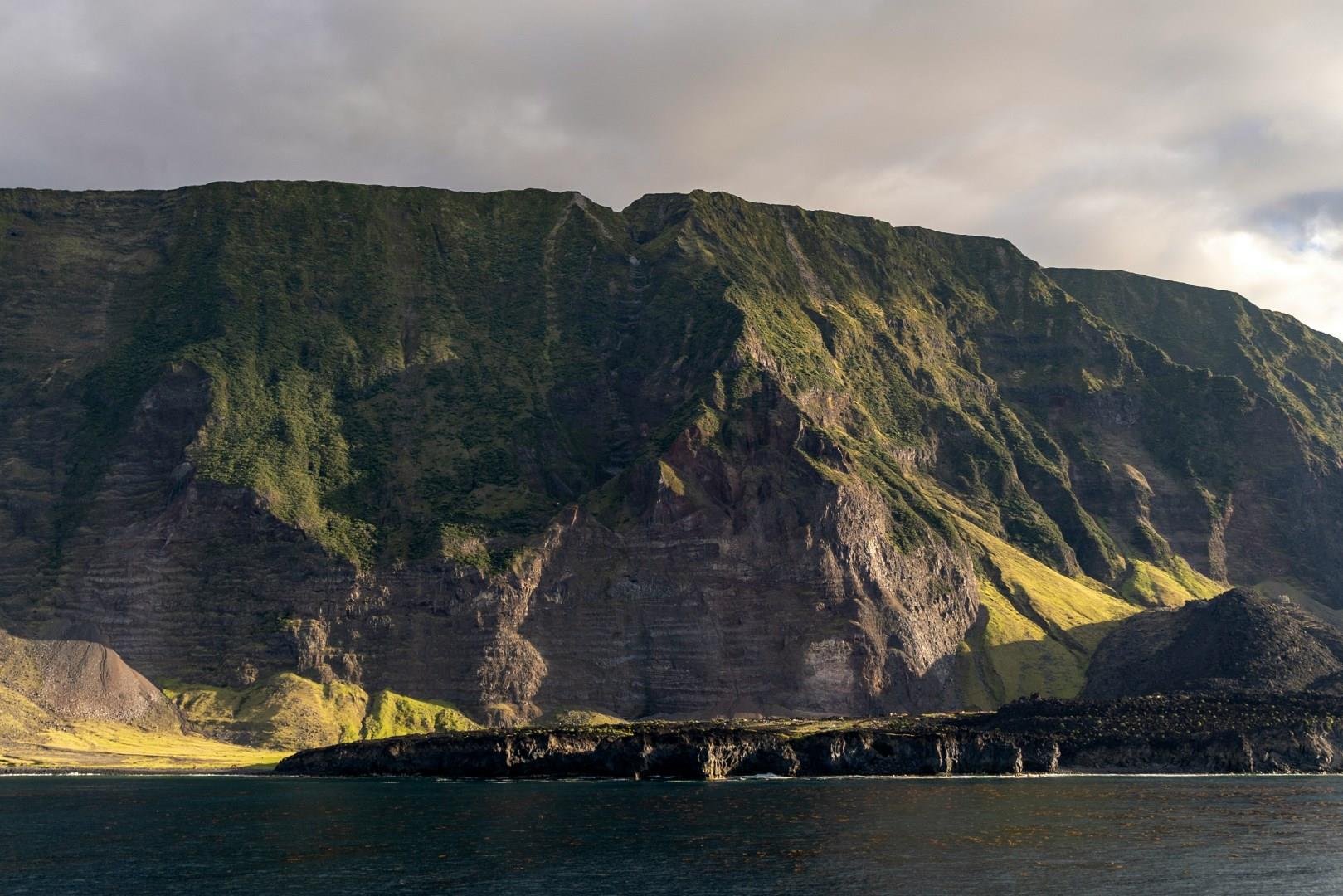
Tristan da Cunha is a remote volcanic island in the South Atlantic Ocean, forming part of a small archipelago along with Inaccessible Island and Nightingale Island. Known as the most isolated inhabited island in the world, it is accessible only by a week-long boat journey from South Africa.
