

Queen Elizabeth National Park
Queen Elizabeth National Park, in western Uganda, is one of East Africa’s most diverse and scenic protected areas. Stretching from the Rwenzori Mountains to the shores of Lake Edward, the park encompasses savannah, wetlands, and dense forests, making it a sanctuary for an incredible array of wildlife.
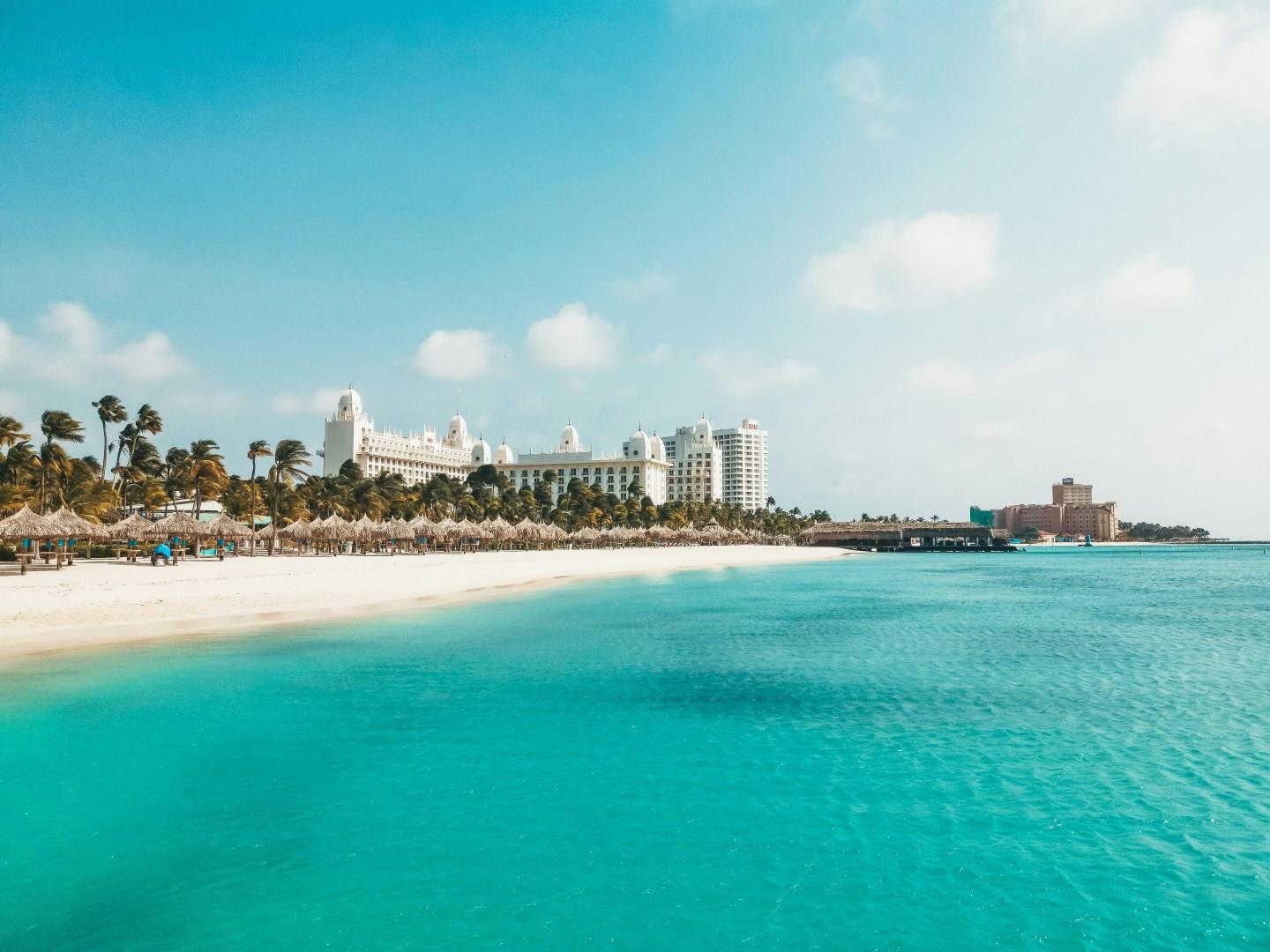
Palm Beach
Palm Beach, located on Aruba’s northwest coast, is the island’s most famous stretch of sand: a two-mile ribbon of soft white shore lined with turquoise waters and a lively resort scene.

Windhoek
Windhoek, the capital city of Namibia, is a vibrant and cosmopolitan hub nestled in the heart of the country. With its mix of German colonial architecture and modern African charm, Windhoek offers visitors a unique blend of history and contemporary culture. The city’s skyline is dominated by the striking Christuskirche, a Lutheran church built in 1907, which stands as a symbol of Namibia's German colonial past.

Nelson Lakes National Park
Nestled in the heart of New Zealand's South Island, Nelson Lakes National Park is a paradise for nature enthusiasts and adventure seekers alike. This breathtaking park is renowned for its stunning lakes, dense beech forests, and rugged mountains. The twin lakes, Rotoiti and Rotorua, are the park's crown jewels, offering crystal-clear waters framed by lush greenery. Visitors can explore these serene lakes by taking a scenic boat ride or embarking on a picturesque hike along their shores.

Palm Springs
Palm Springs, California, is an oasis in the Sonoran Desert that has long been a playground for Hollywood stars, artists, and sun-seekers alike. This charming desert city is renowned for its mid-century modern architecture, luxury resorts, and a year-round climate that invites outdoor activities. Visitors can explore the Uptown Design District, a treasure trove of vintage shops, art galleries, and boutique stores that celebrate Palm Springs' rich cultural heritage.
