

Cairns
Cairns is the majestic entrance to Australia's Great Barrier Reef. This warm, tropical destination is located in Far North Queensland. Must-see attractions in Cairns include the Tjapukai Aboriginal Cultural Park, which educates tourists about indigenous peoples, and restaurant and bar-dotted Cairns Esplanade, which has a lagoon for swimming.

Brindisi
Italy’s port city of Brindisi, tucked along the Adriatic coast in the Puglia region, has been a gateway to the East for over two thousand years. Once the Roman Empire’s main departure point for the Via Appia, the road to Greece and beyond, Brindisi still bears traces of its ancient past, from Roman columns to remnants of old harbors that once welcomed traders, pilgrims, and soldiers.
Billings
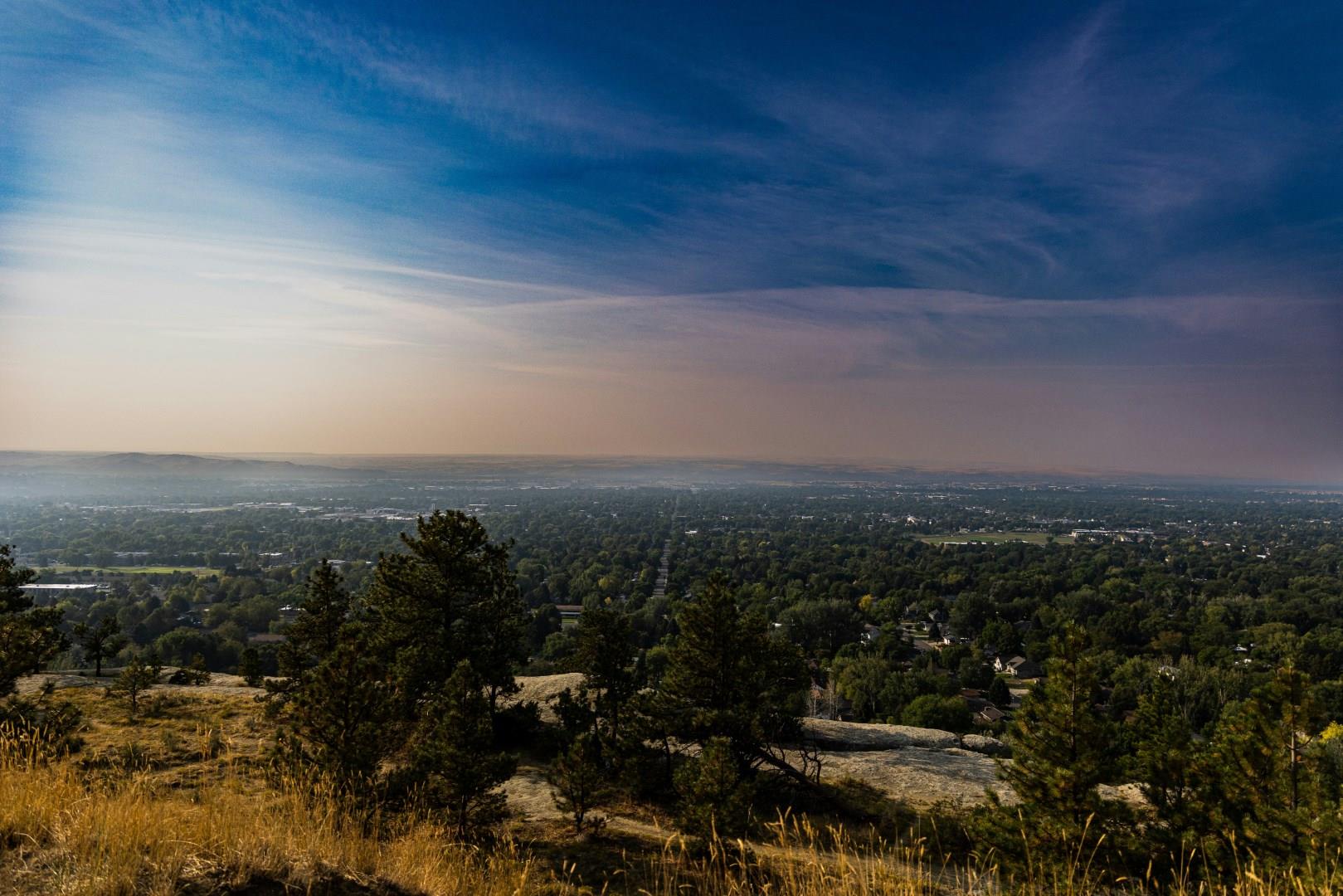
Billings, Montana sits on the edge of the vast plains and at the base of ancient sandstone cliffs known as the Rimrocks. These formations frame the city and provide miles of scenic overlooks, hiking trails, and even fossil beds. From Swords Park, visitors can walk or bike along the paved trail that follows the rim’s edge, offering sweeping views of downtown, the Yellowstone River, and distant snowcapped peaks.
Princess Cays
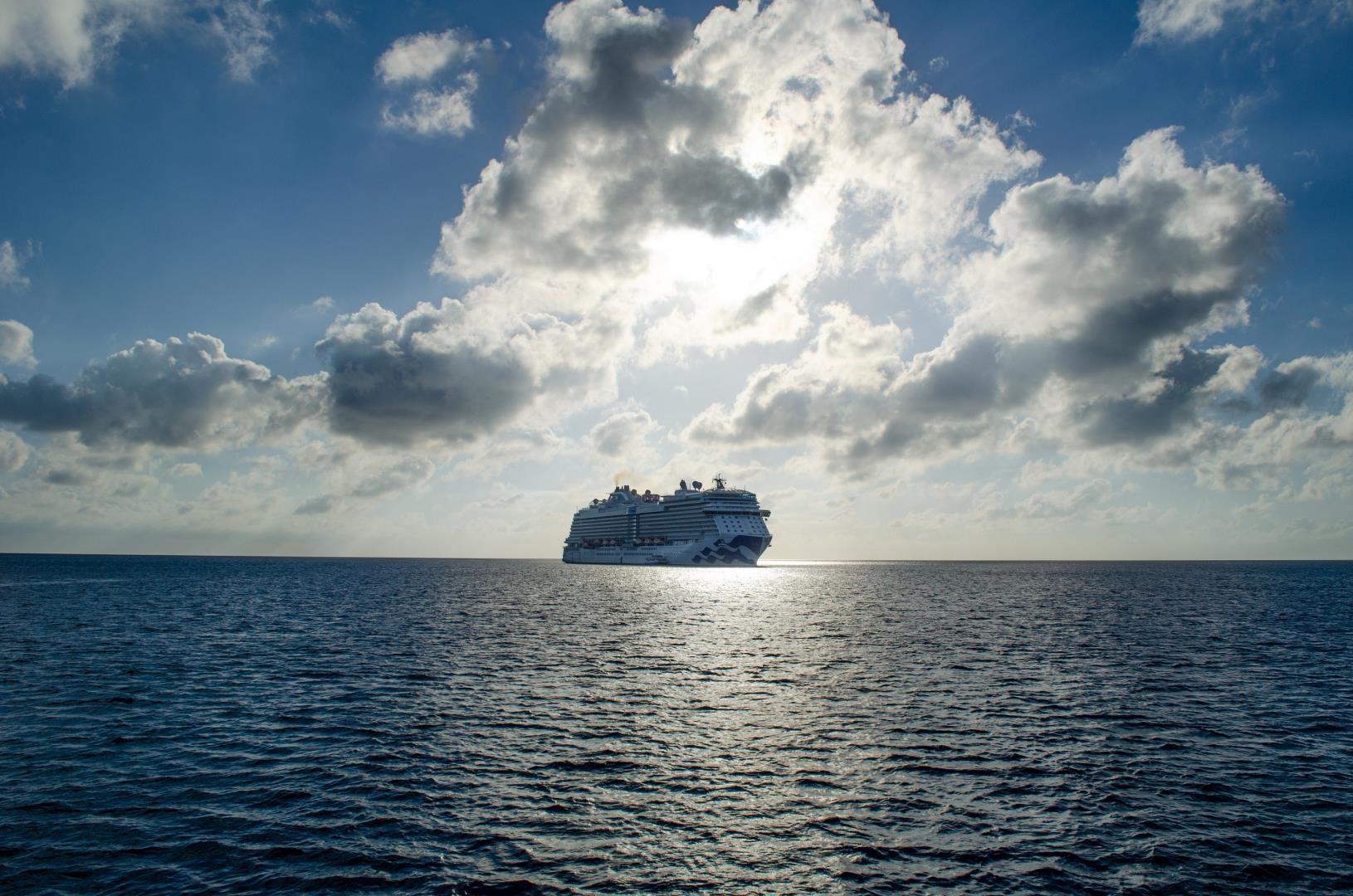
Princess Cays is a port of call and resort destination exclusive to Princess Cruises. Located in the Bahamas, Princess Cays is a fun and scenic stop with ample opportunity for snorkeling, hiking, and boating.
Mae Taeng
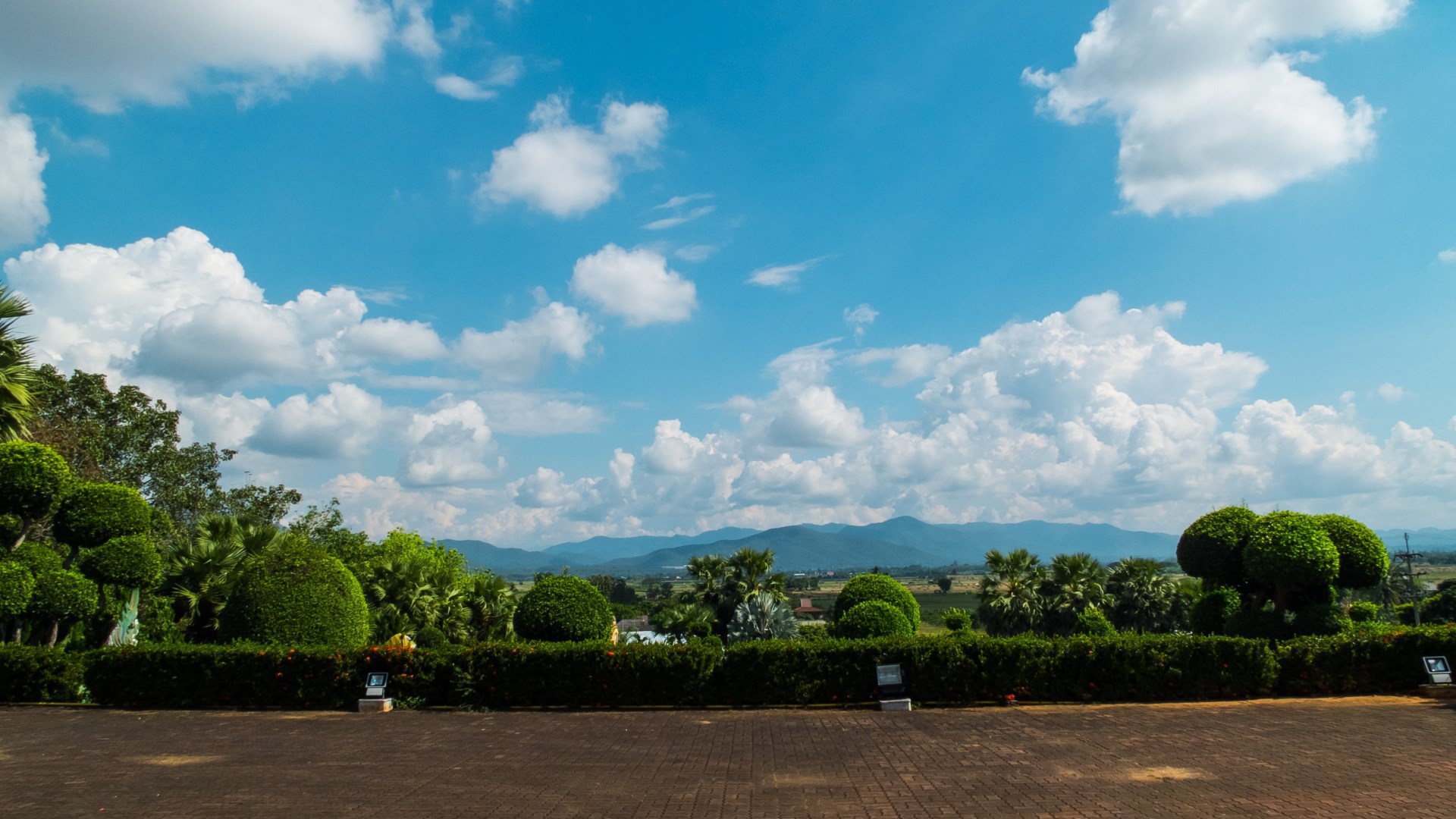
Set in the lush northern hills of Mae Taeng, Chiang Mai Province, Thailand, this district offers a quieter gateway into Thailand’s countryside. Just beyond the bustle of Chiang Mai, the landscape shifts into rolling mountains, dense forests, and winding rivers. The Mae Taeng River flows steadily through the valley, shaping both the scenery and daily life.
