

Kirkwall Orkney Island
Kirkwall, the vibrant capital of the Orkney Islands, Scotland, is a place where history and culture intertwine with stunning natural landscapes. Founded by Norse settlers over a thousand years ago, Kirkwall is steeped in Viking heritage, with its centerpiece, the magnificent St. Magnus Cathedral, standing as a testament to the town’s medieval past.
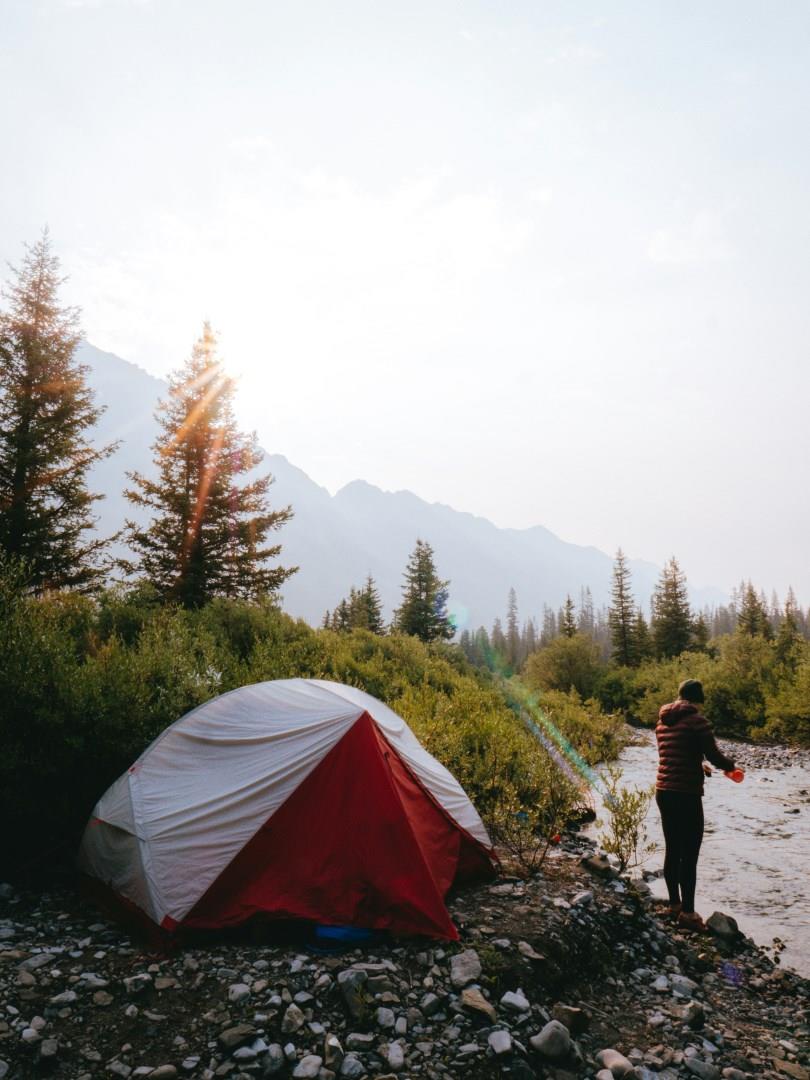
Kananaskis
Kananaskis, located in the foothills and front ranges of the Canadian Rockies in Alberta, is a vast region celebrated for its rugged mountains, alpine lakes, and outdoor recreation opportunities. Unlike nearby Banff or Jasper, Kananaskis is less developed and offers a quieter, more wilderness-focused experience while still being easily accessible from Calgary.
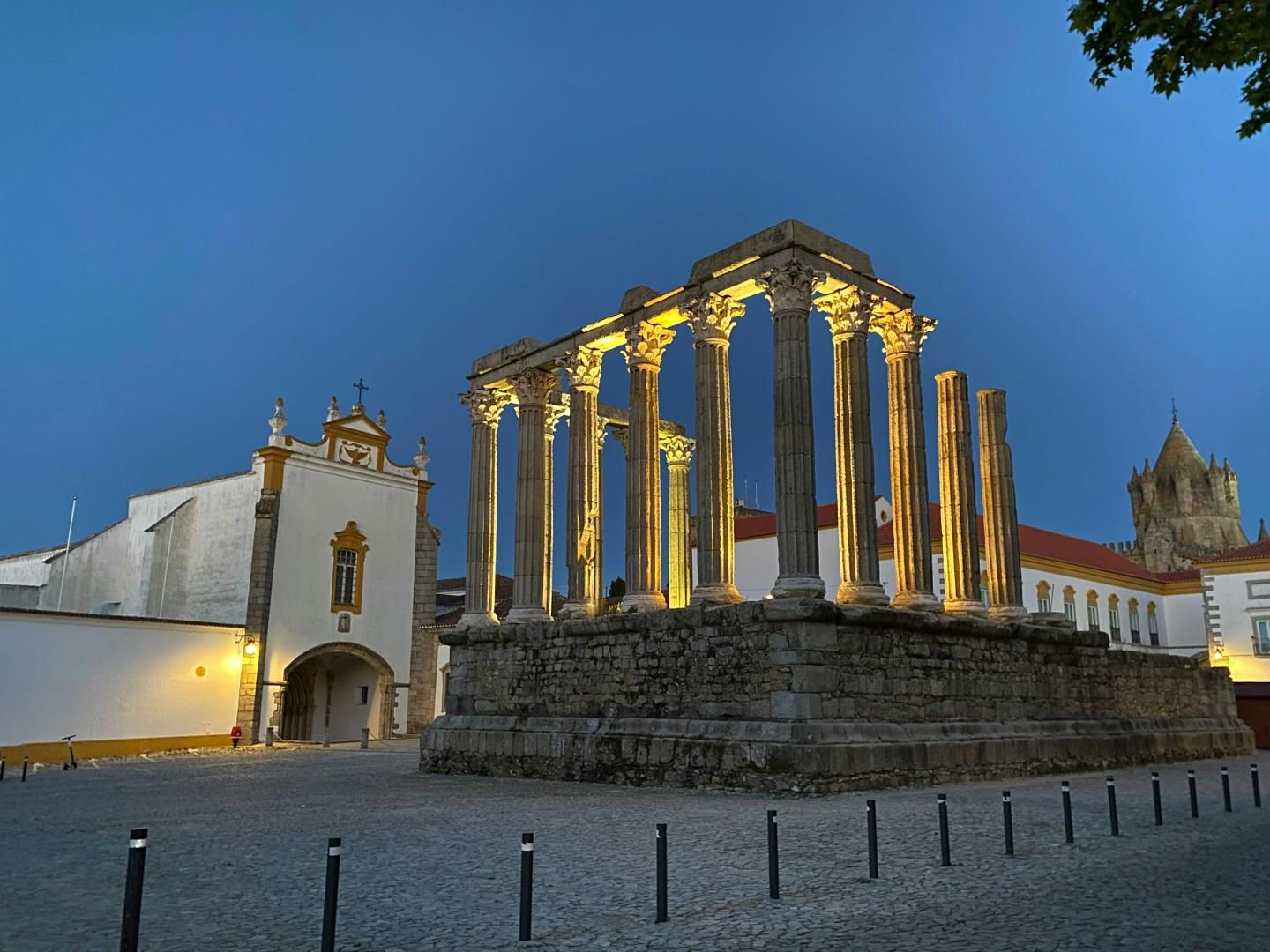
Evora
Évora, in Portugal’s Alentejo region, feels like stepping into a story that spans more than two thousand years. Its Historic Centre was named a UNESCO World Heritage Site for good reason with its ancient walls, homes with wrought-iron balconies, and narrow streets quietly preserve traces of Roman, Moorish, and medieval life. Beyond architecture and monuments, Évora reveals lesser-known treasures that reward exploration.
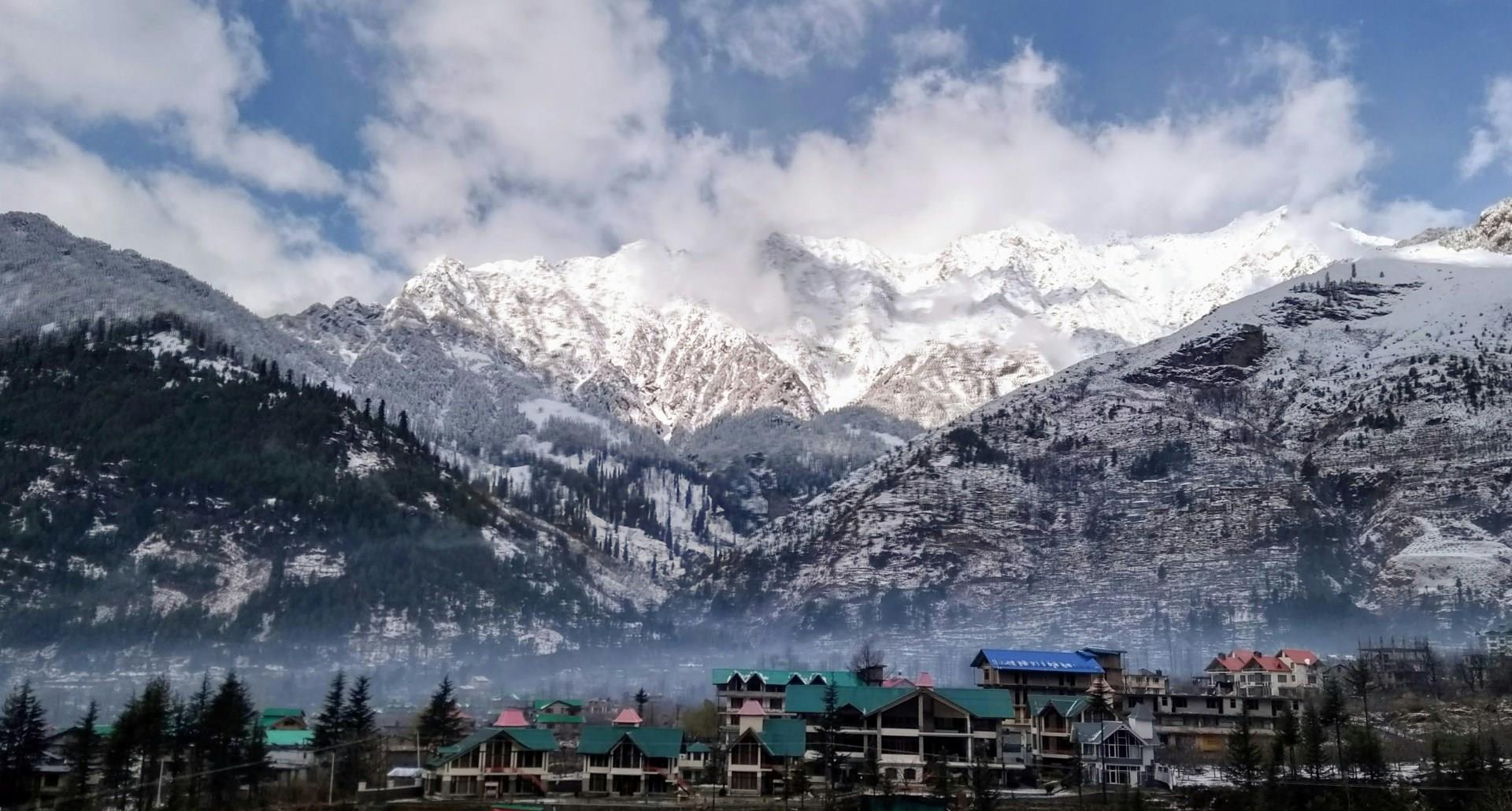
Manali
High in the Kullu Valley of Himachal Pradesh, Manali is where snow-dusted peaks, rushing rivers, and quiet cedar forests come together to create a destination full of experiences. The town sits beside the Beas River at nearly 2,000 meters above sea level, offering a refreshing escape from India’s plains. Legend says the name “Manali” comes from “Manu-Alaya,” meaning the home of sage Manu, who is believed to have repopulated the world after a great flood.

Windhoek
Windhoek, the capital city of Namibia, is a vibrant and cosmopolitan hub nestled in the heart of the country. With its mix of German colonial architecture and modern African charm, Windhoek offers visitors a unique blend of history and contemporary culture. The city’s skyline is dominated by the striking Christuskirche, a Lutheran church built in 1907, which stands as a symbol of Namibia's German colonial past.
