

Edfu
The Temple of Horus at Edfu has a massive entrance pylon covered with sunk relief carvings. This Ptolemaic temple was constructed between 237 and 57 B.C.E.

Amsterdam
Amsterdam, the 17th century capital of Holland, is often called the "Venice of the North" due to its numerous, boat-navigable canals. Truly rich in history, the oldest part of this populous, multicultural city is Sloten, which dates all the way back to the 9th century.

St. John's
Saint John, the vibrant capital of Antigua and Barbuda, is a captivating destination known for its colorful colonial architecture. The city offers visitors a charming mix of history, culture, and natural beauty.
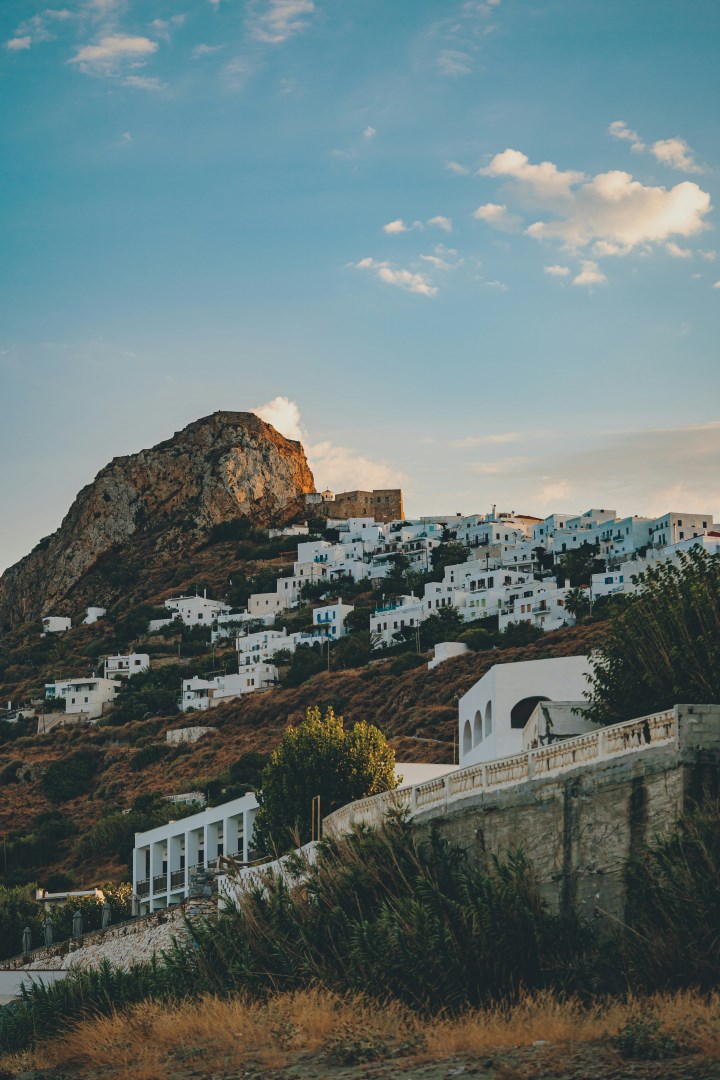
Skiros
Set in the heart of the Aegean Sea, Skyros, Greek island, stands apart from its neighboring islands with a character shaped by both rugged landscapes and quiet coastal life. As part of the Sporades group, it offers a mix of pine-covered hills in the north and drier, open terrain in the south. The main town, Skyros Town, rises along a hillside crowned by a whitewashed monastery and a medieval-style castle, creating a striking view from the harbor below.

Ketchikan
A favorite for many cruise-goers and tourists, Ketchikan, Alaska, is a charming city located near the state’s southeastern edge.
