

Rhode Island
Rhode Island may be the smallest state in the U.S., but it offers an outsized variety of experiences, from colonial history to coastline escapes. Founded in 1636 by Roger Williams as a haven for religious freedom, the state still reflects its independent spirit. In Providence, travelers can visit the John Brown House Museum to explore the city’s role in early American commerce, or walk Benefit Street, lined with preserved 18th- and 19th-century homes.
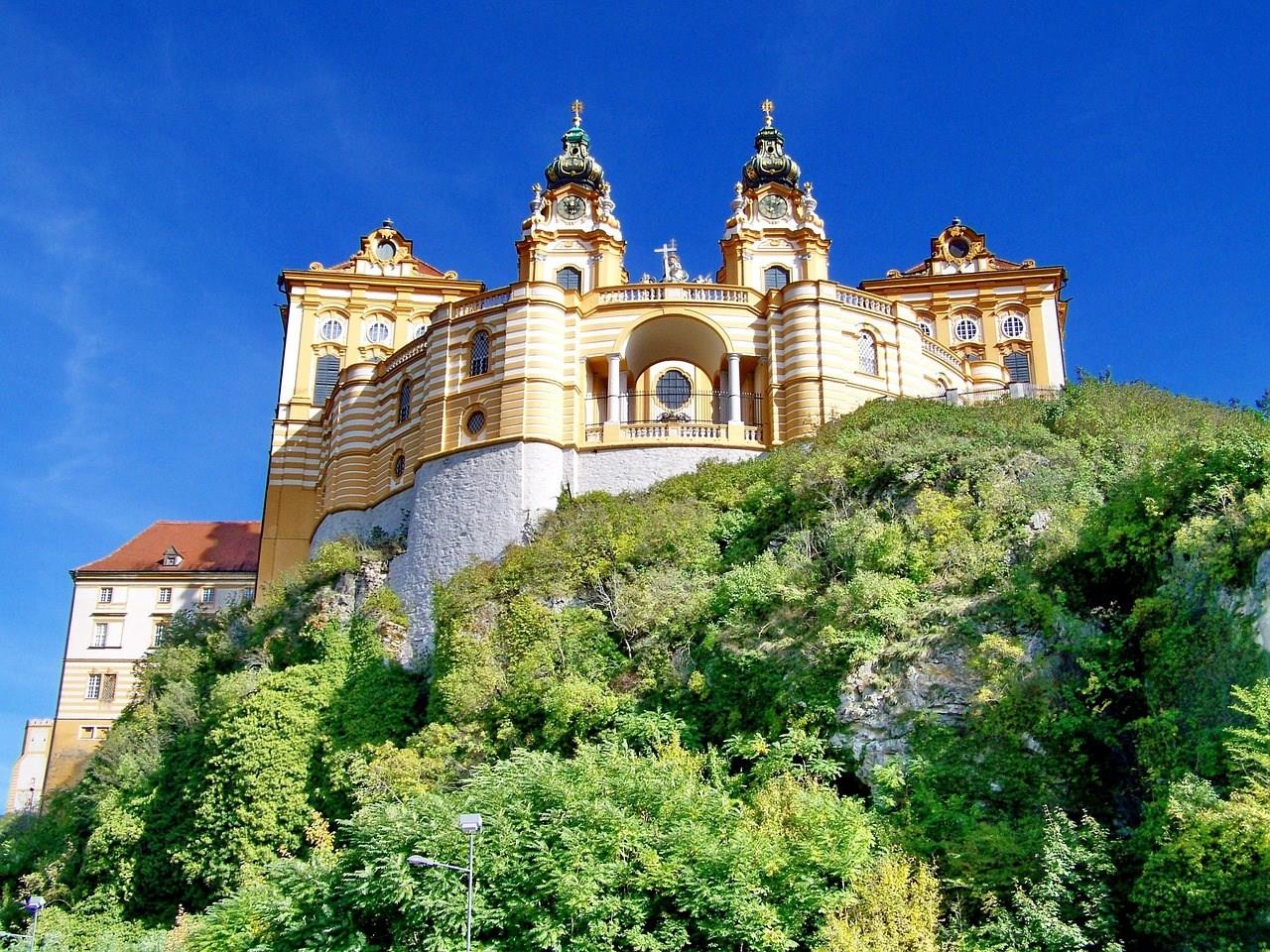
Wachau Valley
Austria’s Wachau Valley is a scenic stretch of the Danube River between Melk and Krems, known for its terraced vineyards, medieval towns, and a deep sense of history.

Seville
Must-sees in Seville include the landmark palace Royal Alcázar of Seville, the Gothic, bell-towered Catedral de Sevilla, and Plaza de España, an architectural marvel with Moorish, Baroque and Renaissance influences. Meanwhile, Museo del Baile Flamenco is the place to learn about flamenco dancing culture.

Marzamemi Sicily
Marzamemi, a small fishing village on the southeastern coast of Sicily, offers an authentic taste of Mediterranean charm. Known for its picturesque stone buildings, vibrant piazzas, and crystal-clear waters, Marzamemi captures the essence of coastal life in Sicily. The town’s centerpiece is Piazza Regina Margherita, surrounded by rustic houses and lively seafood restaurants where visitors can savor the fresh catch of the day.
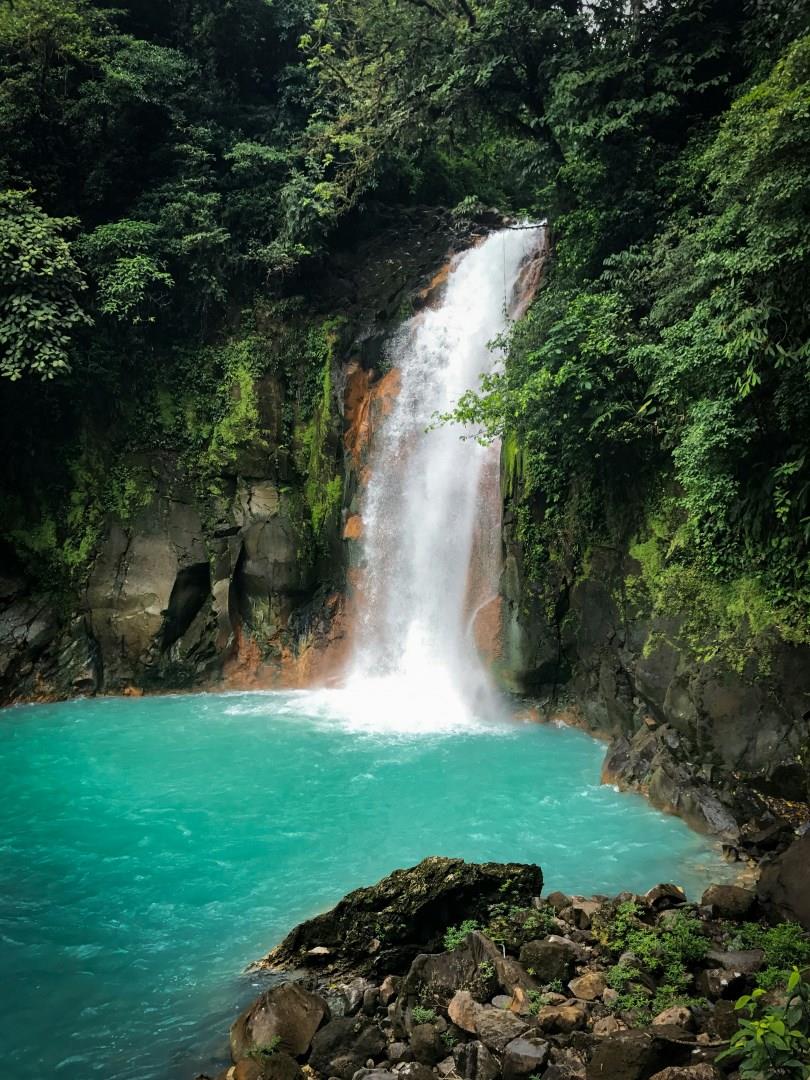
Celeste River
Hidden in the northern region of Costa Rica, the Celeste River (Río Celeste) winds through Tenorio Volcano National Park with a color so vivid it seems unreal. The river’s striking turquoise hue is caused by a natural chemical reaction between two mineral-rich streams, Quebrada Agria and Río Buena Vista, which merge at a point known as "El Teñidero." This one-of-a-kind phenomenon creates the illusion that the water has been dyed blue, even though no pigments are present.
