
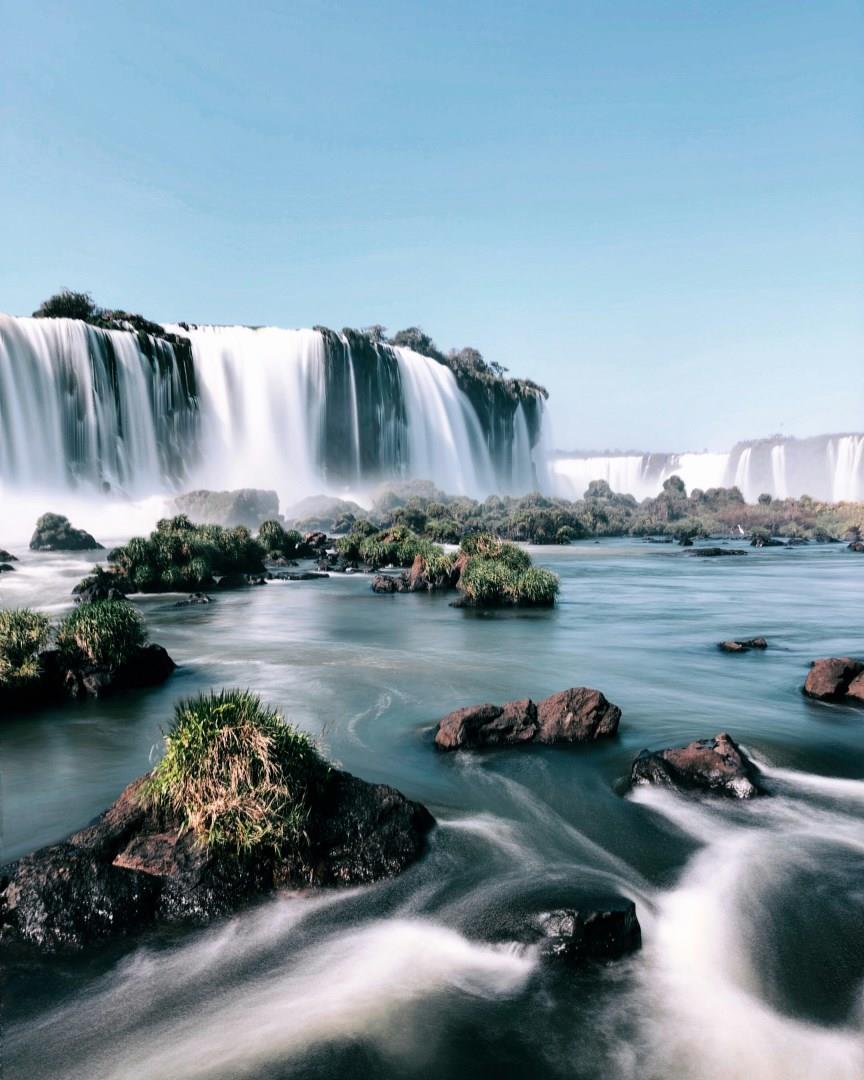
Foz do Iguaçu
Set at the meeting point of Brazil and Argentina, Foz do Iguaçu is defined by the sheer scale of the Iguaçu Falls. Nearly 275 individual waterfalls stretch across close to three kilometers, sending mist into the air and sound echoing through the surrounding forest. Visitors follow raised walkways that bring them face to face with this moving wall of water, culminating at the dramatic Devil’s Throat, a deep, curved drop where the river seems to vanish into the earth.
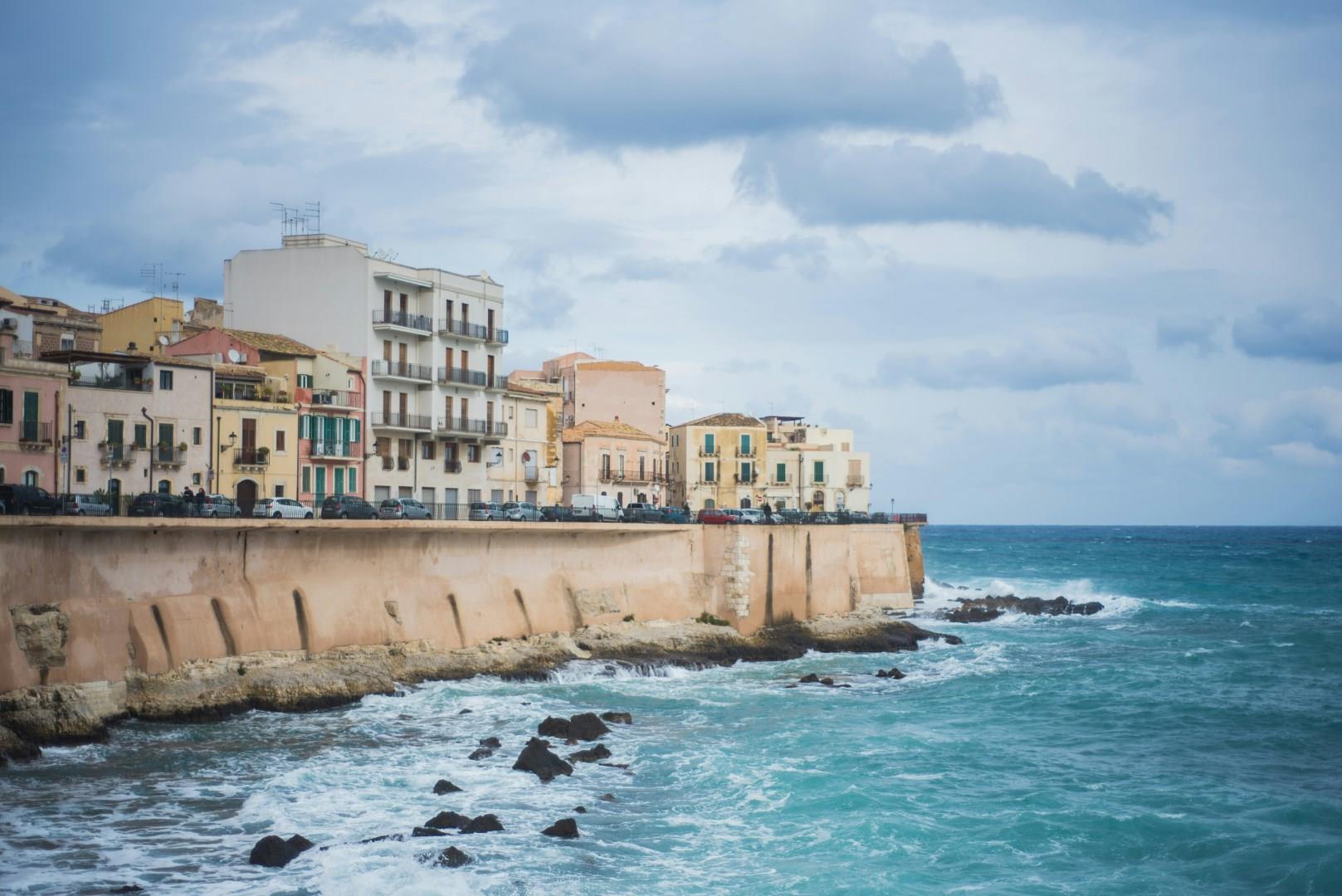
Syracuse
Syracuse, located on the eastern coast of Sicily, is a city where history and the sea converge in unforgettable ways. Founded by ancient Greeks in the 8th century BC, it became one of the most powerful city-states of its time. Today, visitors can explore the impressive archaeological park of Neapolis, which features a vast Greek theatre, Roman amphitheater, and the Ear of Dionysius, a limestone cave known for its remarkable acoustics.

Chobe National Park
Chobe National Park, located in the far northeastern corner of Botswana, is a haven for wildlife enthusiasts and one of Africa's premier safari destinations. Known for its immense elephant population—estimated at over 120,000—the park offers an unparalleled opportunity to witness these majestic creatures in their natural habitat

Nosy Be
Nosy Be, often called the “Perfume Island” due to its fragrant ylang-ylang trees, is Madagascar’s largest and most popular tourist destination. Situated off the northwest coast of Madagascar, this tropical paradise boasts powdery white sand beaches, turquoise waters, and lush inland rainforests, making it an idyllic escape for beach lovers, nature enthusiasts, and adventure seekers alike. Nosy Be is renowned for its stunning marine life.
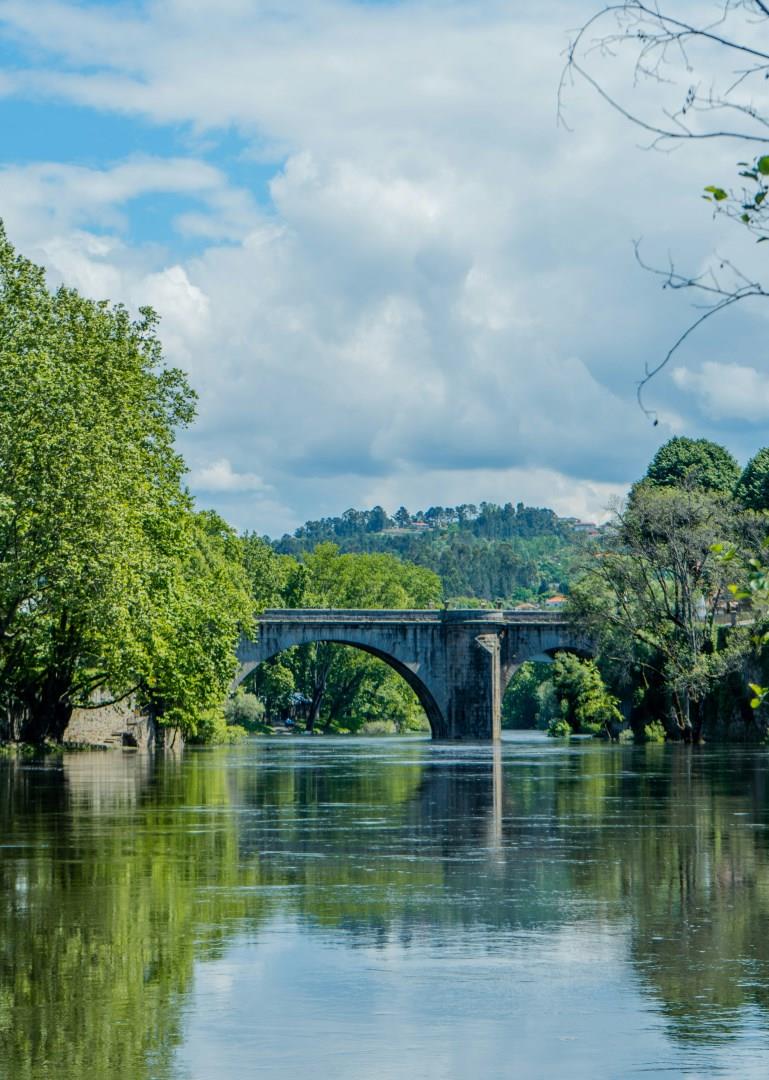
Amarante
Amarante, located in Portugal’s northern region of Tâmega e Sousa, sits quietly along the banks of the Tâmega River, framed by stone bridges, historic churches, and lush hills. The city is best known for its connection to São Gonçalo, a 13th-century monk whose name now graces the arched bridge and the grand convent-church that stands beside it.
