
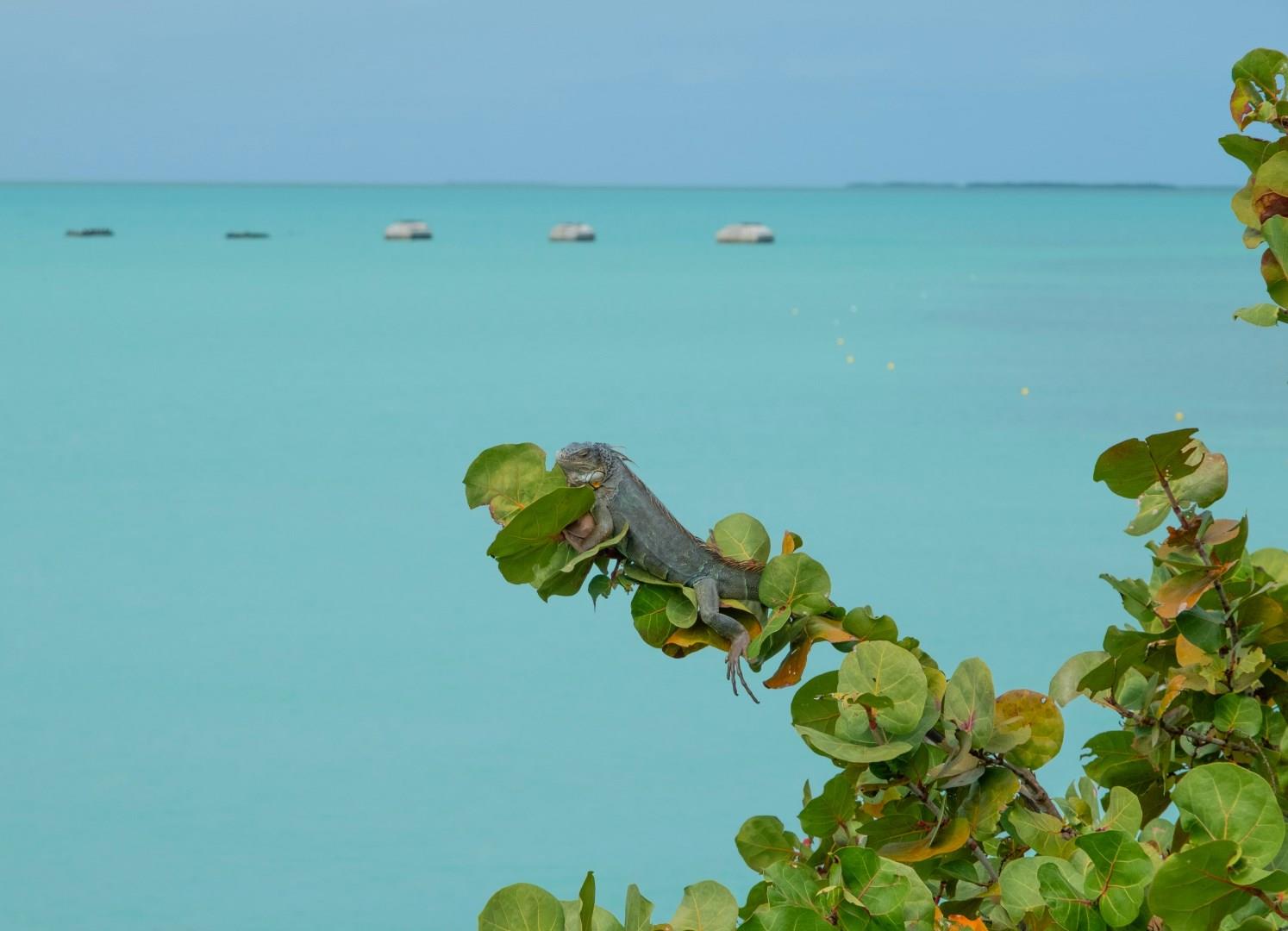
Marathon
Marathon, located near the center of the Florida Keys, is a vibrant island city known for its fishing, boating, and tropical charm. Nestled between Key Largo and Big Pine Key, Marathon is surrounded by clear waters, coral reefs, and sandy beaches, making it a prime destination for water-based recreation.
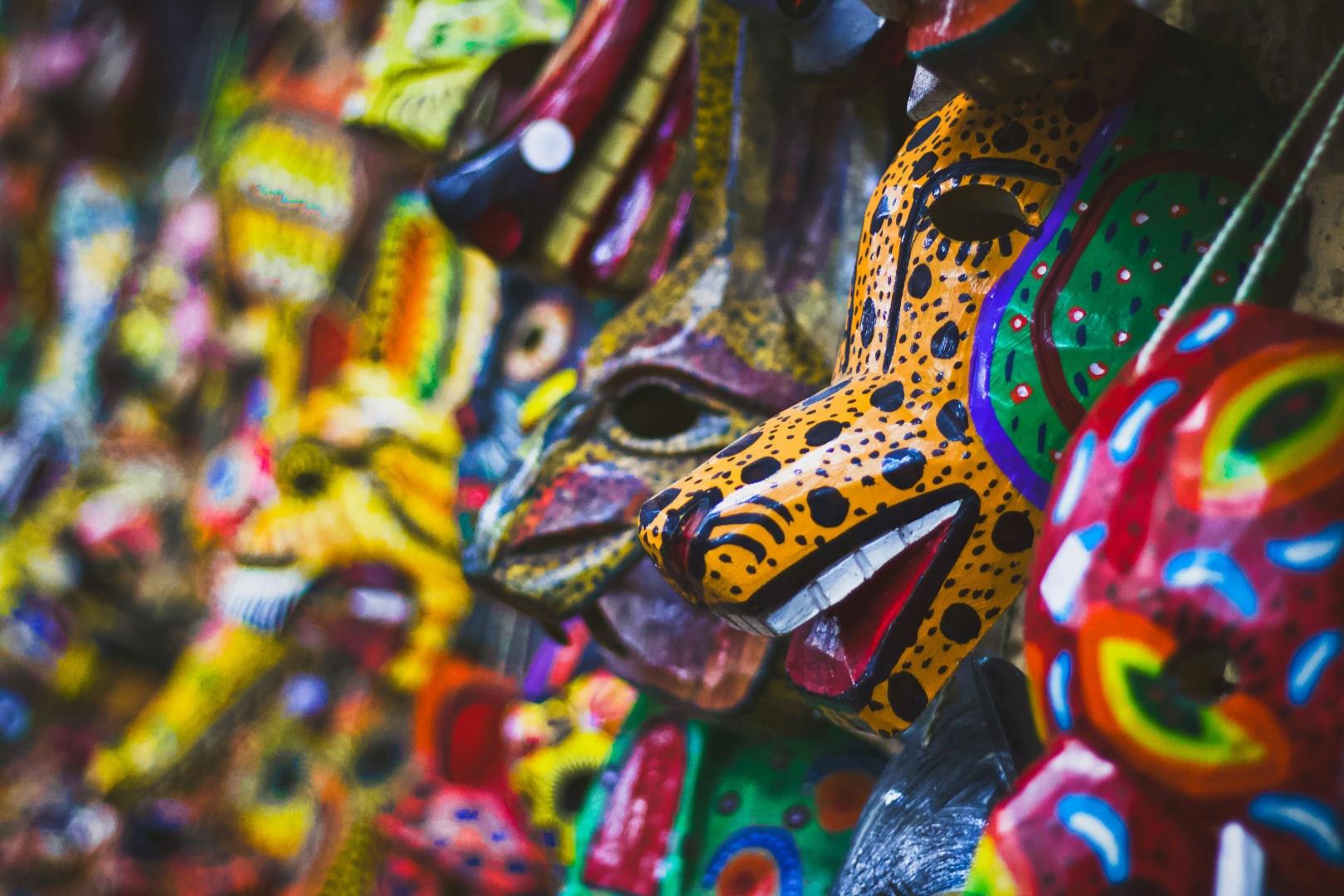
Antigua
Antigua is a city shaped by centuries of artistry, tradition, and natural forces. Set in a highland valley and surrounded by volcanoes, its streets are lined with colorful buildings, hidden courtyards, and open-air plazas. The Santa Catalina Arch is one of Antigua’s most recognizable features, originally built as a passage between two sections of a convent. Today, it frames a dramatic view of Volcán de Agua and is a popular gathering spot for both locals and visitors.
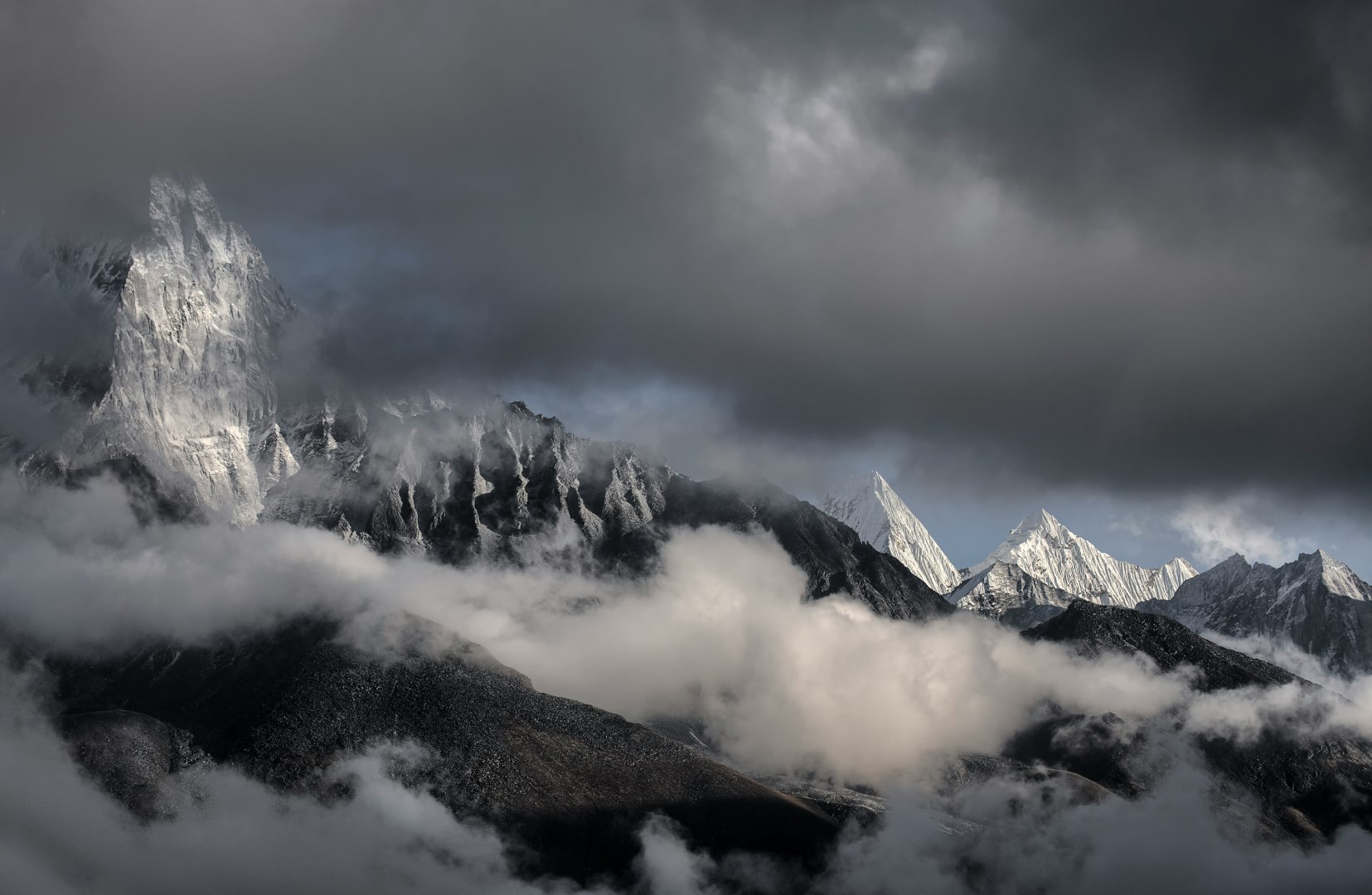
Pheriche
Set high in the Khumbu Valley, Pheriche offers a quiet yet striking stop along the route toward Mount Everest. Surrounded by wide landscapes and rugged peaks, this small settlement sits in a windswept valley where the air is crisp and the views stretch for miles. Unlike busier stops along the trail, Pheriche gives travelers space to pause, adjust to the altitude, and take in the scale of the Himalayas without distraction.

Haugesund
Haugesund, located on the southwestern coast of Norway, is known for its rich Viking heritage and natural landscapes. The town's maritime history is celebrated at the Nordvegen History Centre, where you can learn about the Viking kings who once ruled the area. Nature enthusiasts will appreciate the proximity to the Folgefonna Glacier, where they can enjoy guided glacier hikes and breathtaking views of the surrounding fjords.

Saudi Arabia
Saudi Arabia is revealing chapters long unseen by tourists. Al-Ula is home to Hegra, the first UNESCO World Heritage Site in the kingdom and hosts to ancient Nabatean tombs carved in sandstone cliffs. Nearby, the mirrored Maraya Concert Hall reflects the desert sky, its design both unexpected and elegant amid the sands. Visitors can wander through narrow canyons, step inside rock-hewn facades, and feel the weight of ancient civilizations still echoing across the dunes.
