
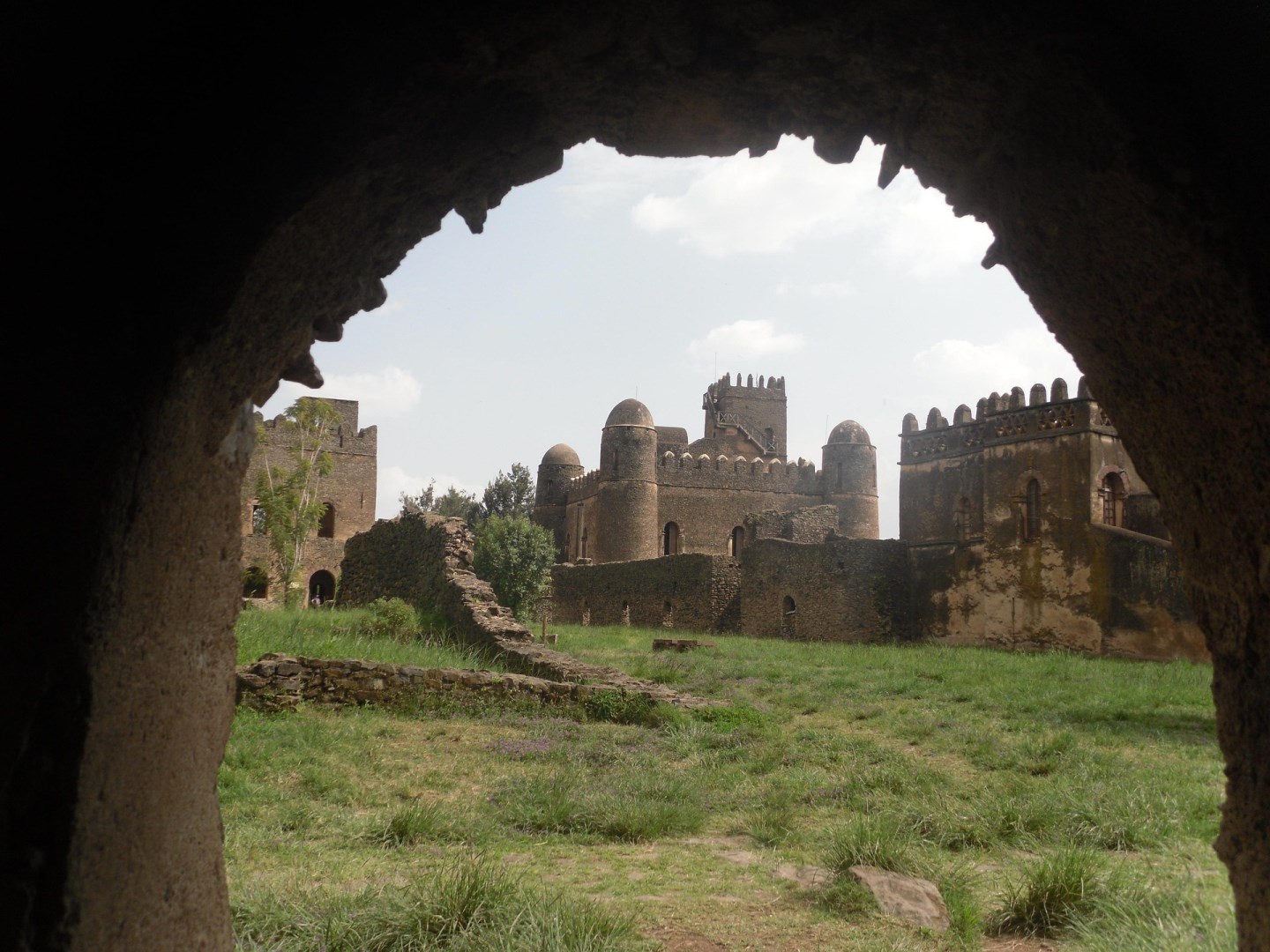
Gondar
Although its great days are past, its palaces and castles deserted, gondar is one of Ethiopia's most fascinating cities and one of the world's most mysterious. The city stands at the foot of the Simien mountains and is set in a landscape of incomparable beauty. Gondar is the former 17th century capital of Ethiopia, although some say it was Saudi Arabia.

Heraklion
The capital of Crete, Heraklion is a Greek port city and a popular stop on Mediterranean and Greek cruises. The city is an historical marvel, replete with archaeological wonders and remnants of the region's past. Highlights include the Heraklion Archaeological Museum, the Rocca a Mare Fortress, the Venetian Loggia, and just past the city limits, the Palace of Knossos.
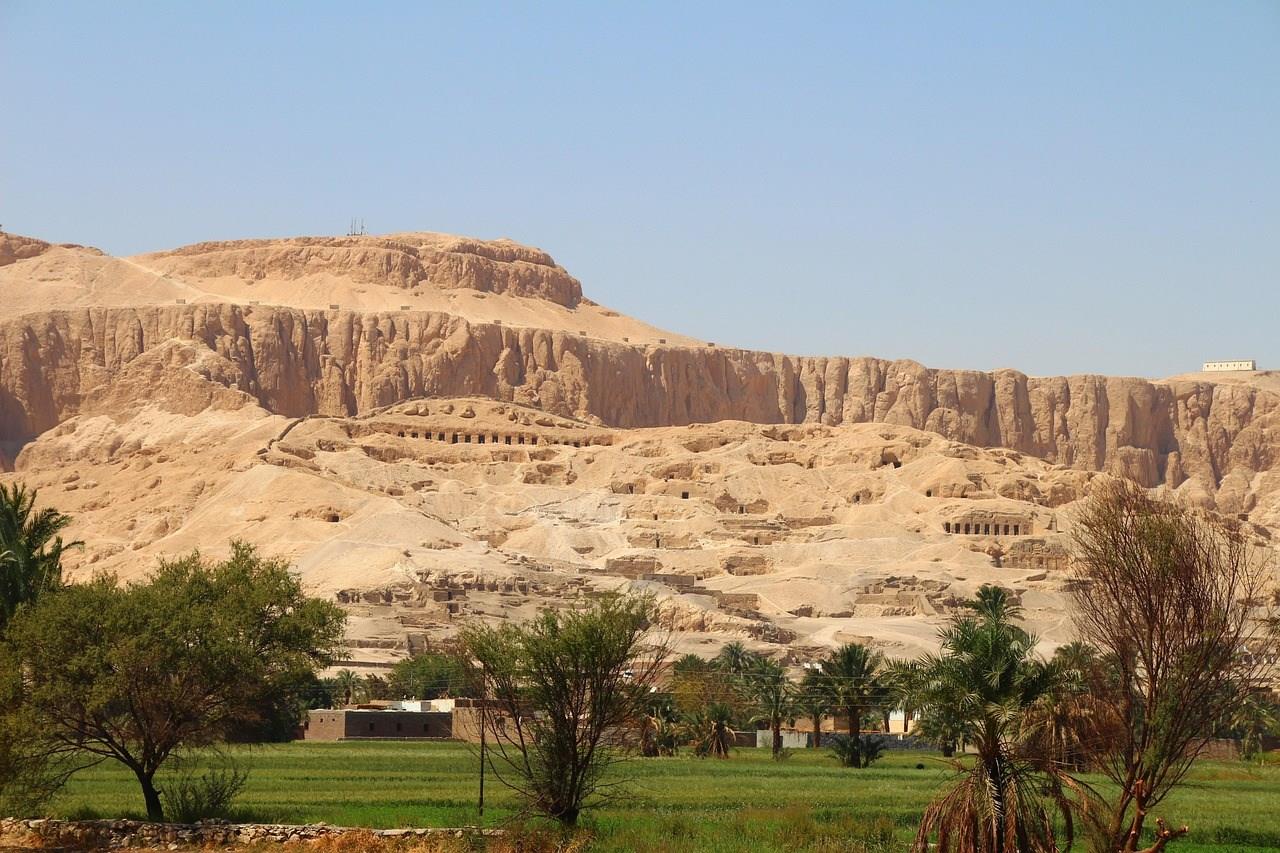
Valley of the Kings and Queens
The Valley of the Kings and the Valley of the Queens, located on the west bank of the Nile near Luxor, Egypt, are two of the world’s most significant archaeological sites. For over 500 years during the New Kingdom (16th–11th centuries BCE), these valleys served as the burial grounds for pharaohs, queens, and high-ranking nobles.
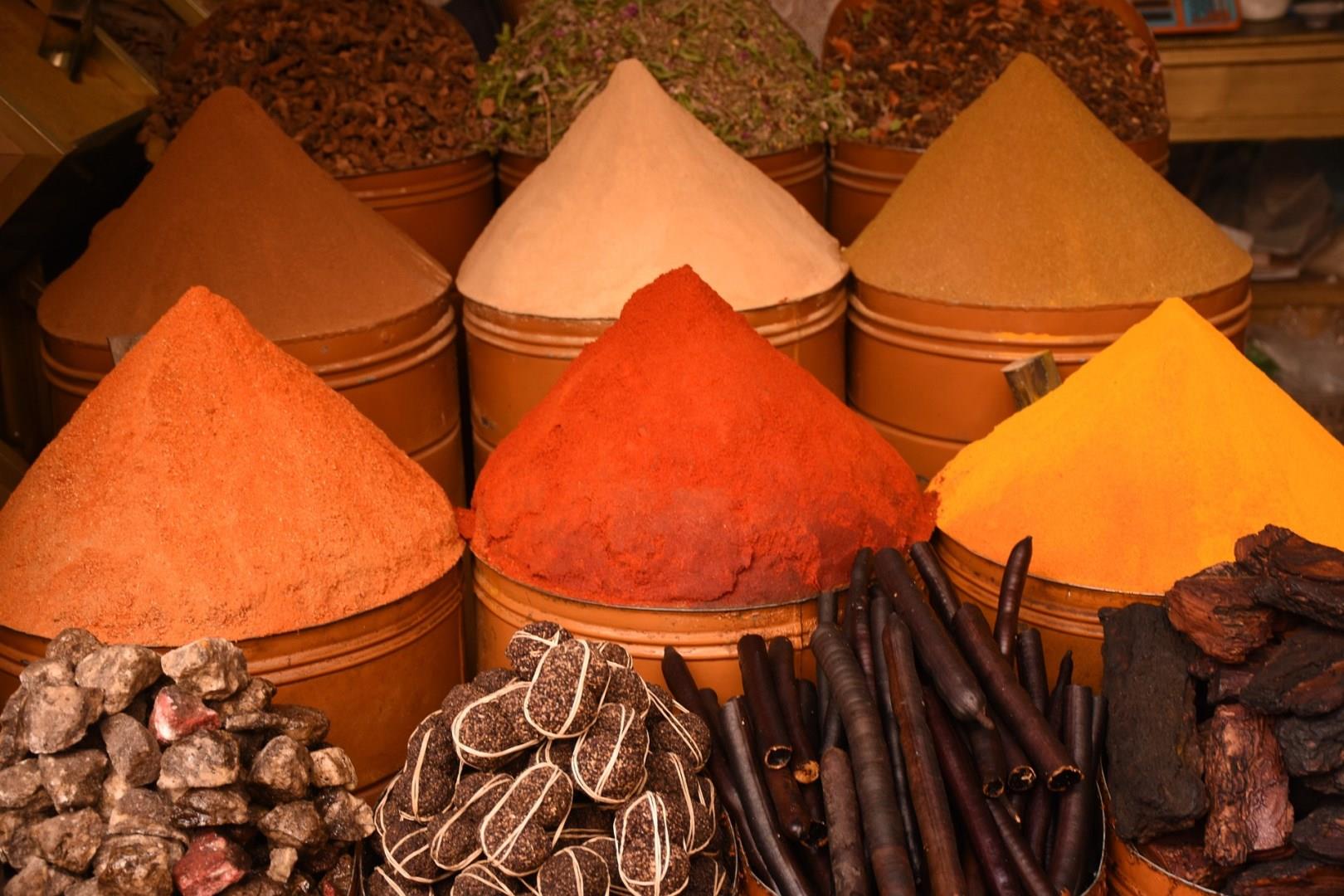
Morocco
Morocco, at the crossroads of Africa and Europe, offers travelers a remarkable journey through history, culture, and landscapes that are as diverse as they are captivating. From bustling medinas to sweeping deserts and dramatic coastlines, the country blends centuries-old traditions with a vibrant modern spirit.
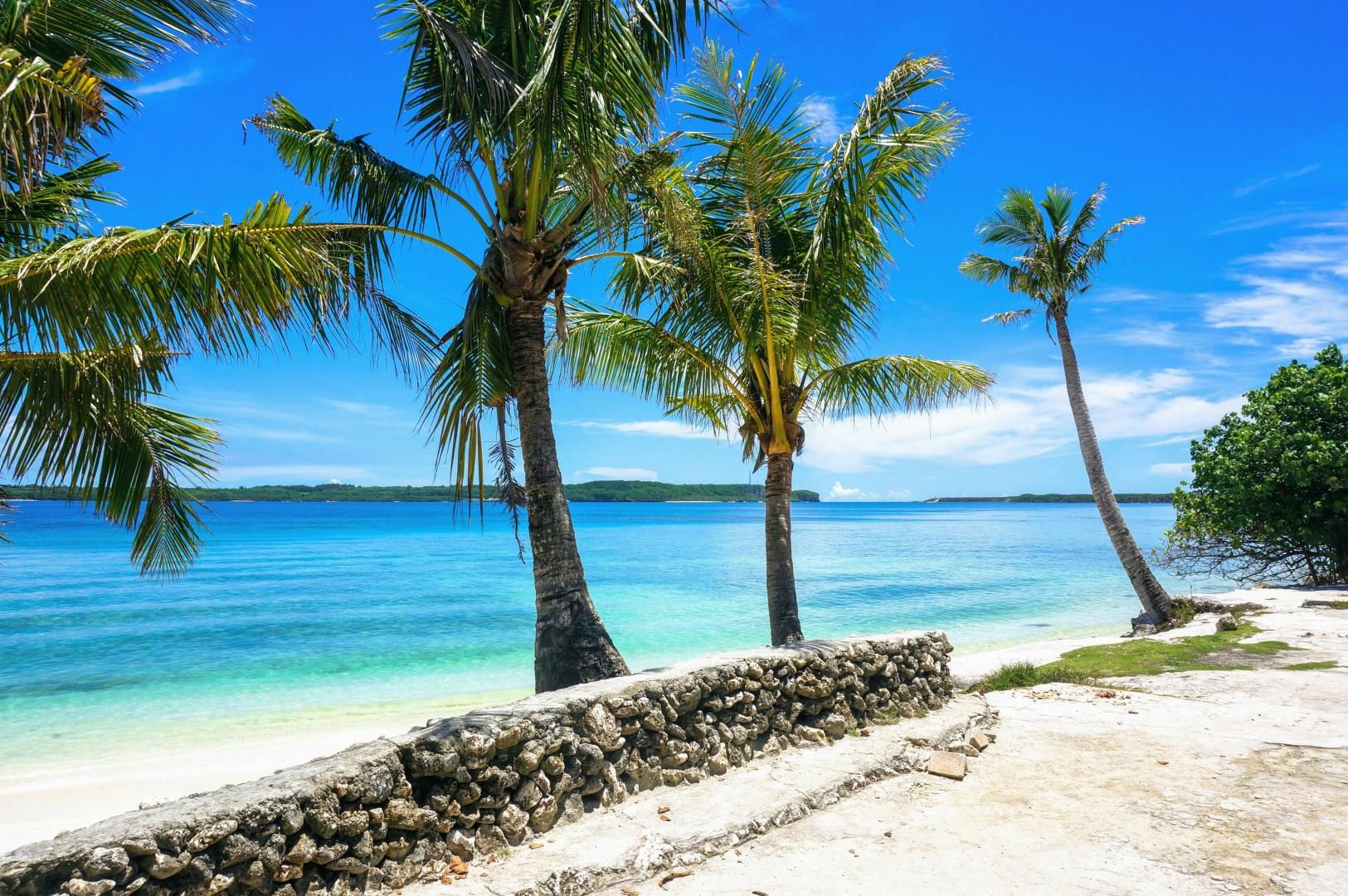
Guam
Guam, a vibrant island territory in the Western Pacific, offers travelers more than just sandy beaches and turquoise water. As the largest island in Micronesia, Guam has a dynamic past that’s shaped its present. Evidence of ancient Chamorro settlements can be found at sites like Latte Stone Park, where limestone pillars dating back over a thousand years stand tall.
