

Whitsunday Island
The Whitsunday Islands sit in the heart of Australia’s Great Barrier Reef, where more than 70 islands rise from wide blue seas and offer an invitation to explore. Whitsunday Island itself is the largest of this group, known internationally for its ribbon of white silica sand stretching over seven kilometers at Whitehaven Beach. This sand feels cool underfoot even in warm sunshine because it’s made of nearly pure silica carried there by ancient ocean currents.
Moshi
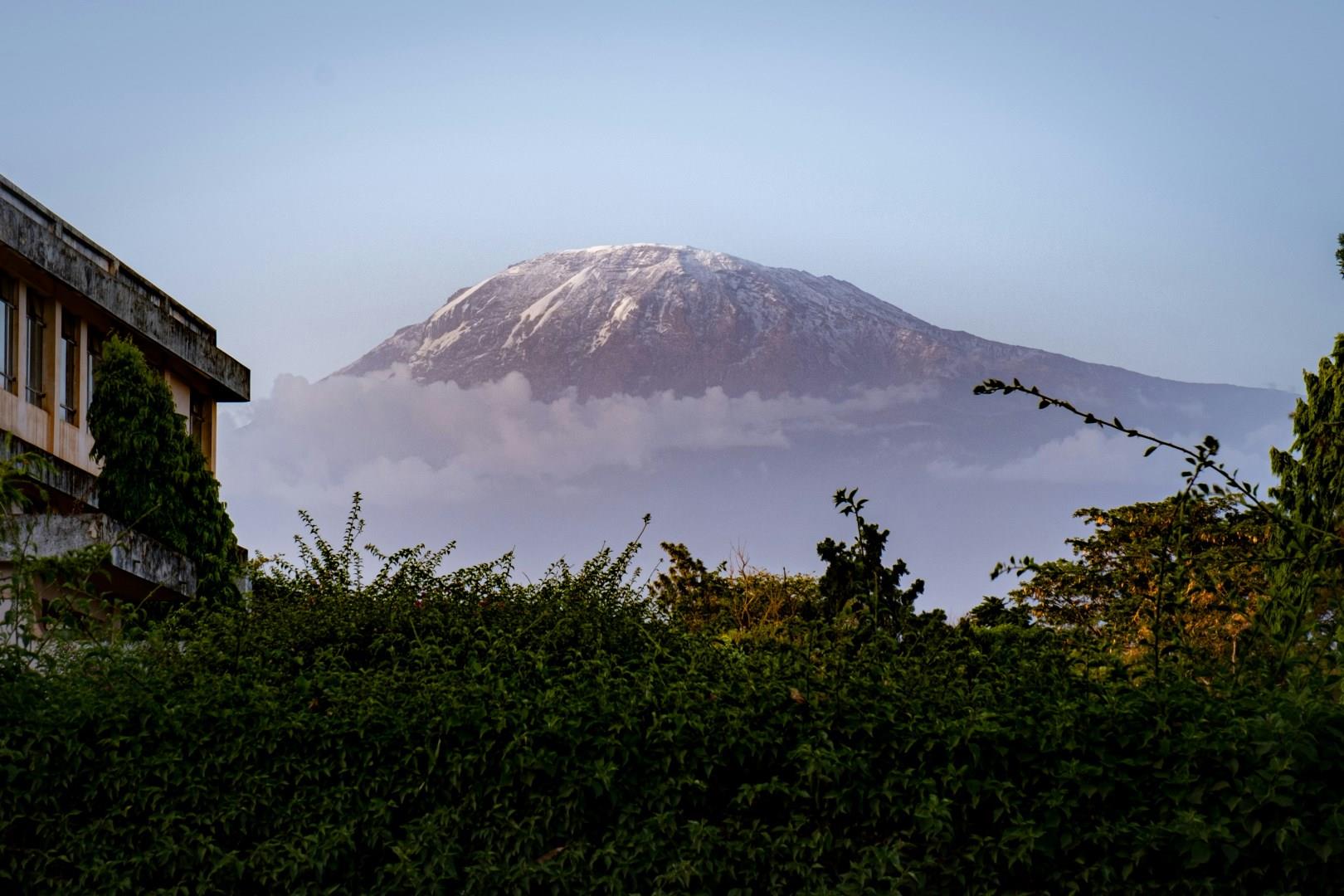
Moshi sits on the southern slopes of Mount Kilimanjaro in northern Tanzania, shaped by both Chagga culture and its role as a crossroads for trade and travel.

Brač
Brac, the largest island in Croatia’s Dalmatian group, is a captivating destination that offers a blend of natural beauty, historical charm, and vibrant local culture. Known for its stunning beaches and picturesque landscapes, Brac is home to the world-famous Zlatni Rat beach, often regarded as one of the most beautiful beaches in the Adriatic Sea.

Trapani
Trapani, located on the western coast of Sicily, Italy, is a captivating destination nestled between the Tyrrhenian Sea and the Strait of Sicily, providing stunning sea views and easy access to the Aegadian Islands. Known for its scenic harbor, Trapani has been a significant port since ancient times, serving as a key center for trade and culture as well as an ideal base for exploring the surrounding area.
Bled
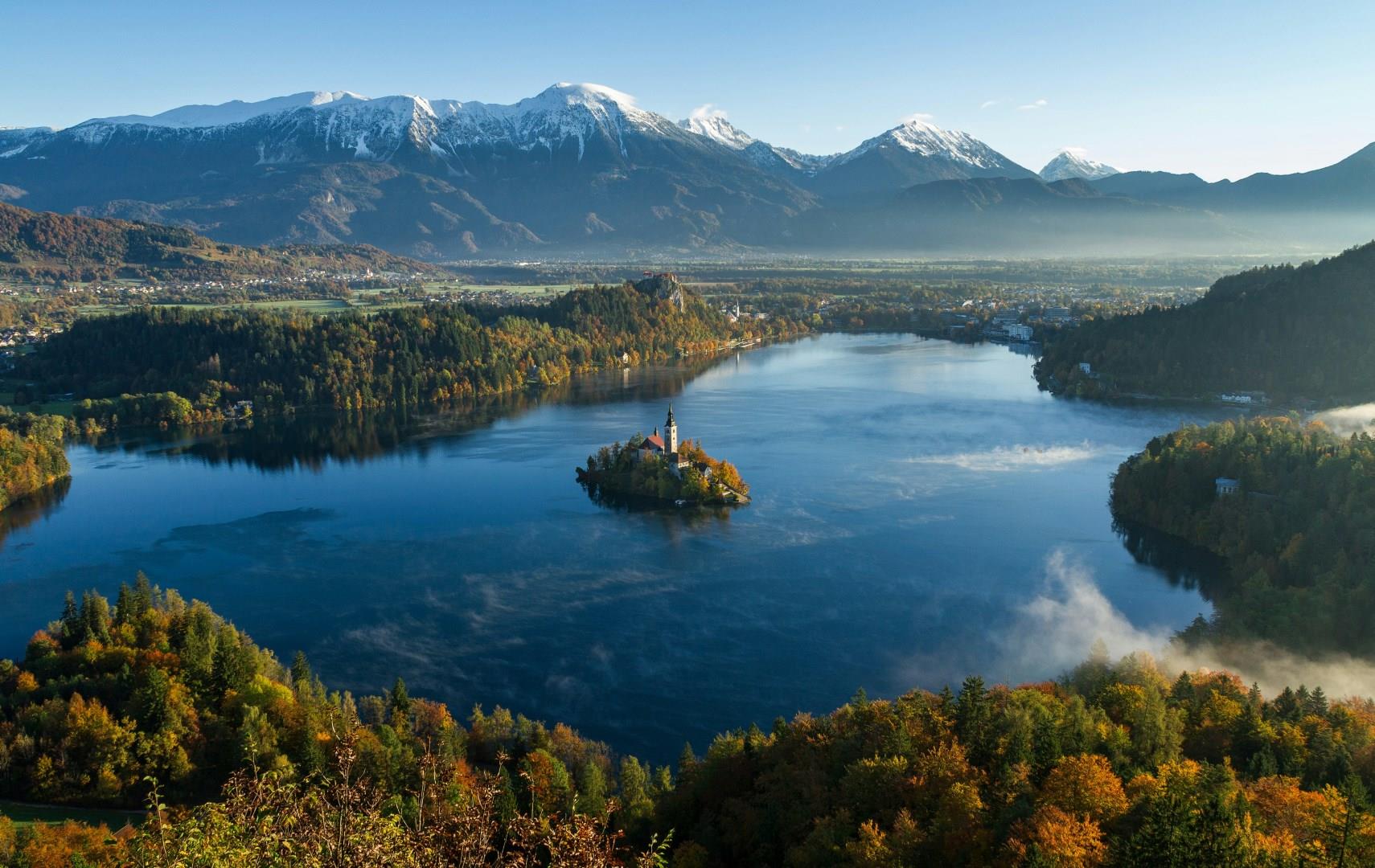
Bled, a small town in northwestern Slovenia, has gained international attention thanks to its lake, which features a lone island topped with a baroque church. Visitors often take traditional wooden boats called pletna to reach the island, where it's customary to ring the church bell and make a wish. According to local legend, the bell was originally cast in memory of a young widow’s lost husband, and today, its chime echoes across the lake as a symbol of devotion and hope.
