

Marmaris
Marmaris sits on the turquoise waters of Turkey’s Aegean coast and greets visitors with a lively harbor, wide beaches and a story that spans thousands of years. Its protected bay has been a safe anchorage for ships since ancient times, and today the marina, one of the largest on the Turkish Riviera, is bright with yachts and fishing boats alike.
Sesriem
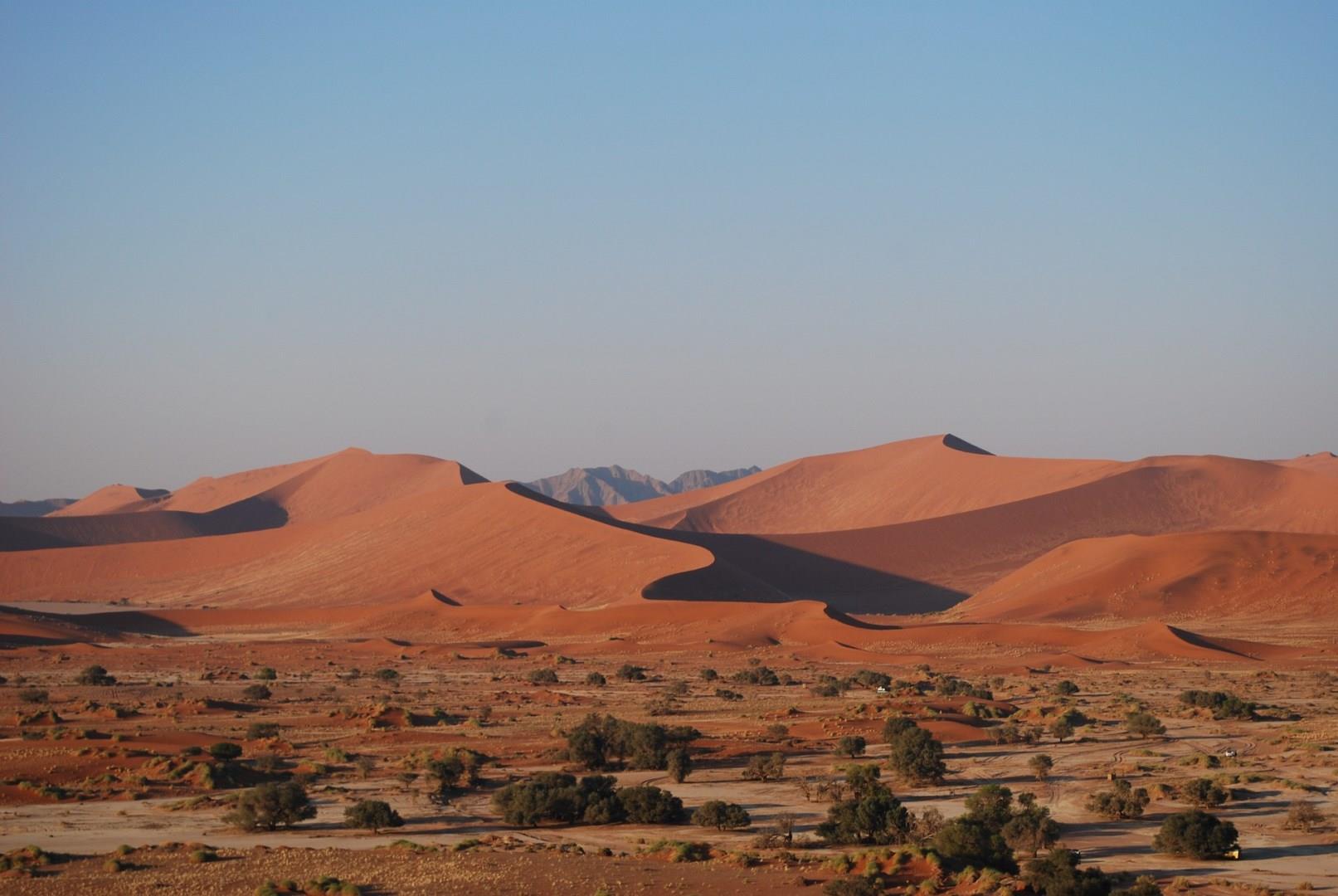
Sesriem, located in the heart of Namibia’s Namib Desert, serves as the gateway to the world-famous Sossusvlei and Deadvlei, two of Namibia’s most iconic landscapes. The dramatic red dunes of the Namib Desert, some of the highest in the world, are an awe-inspiring sight, particularly at sunrise when the light casts long shadows, creating an otherworldly contrast of colors.
Tampico
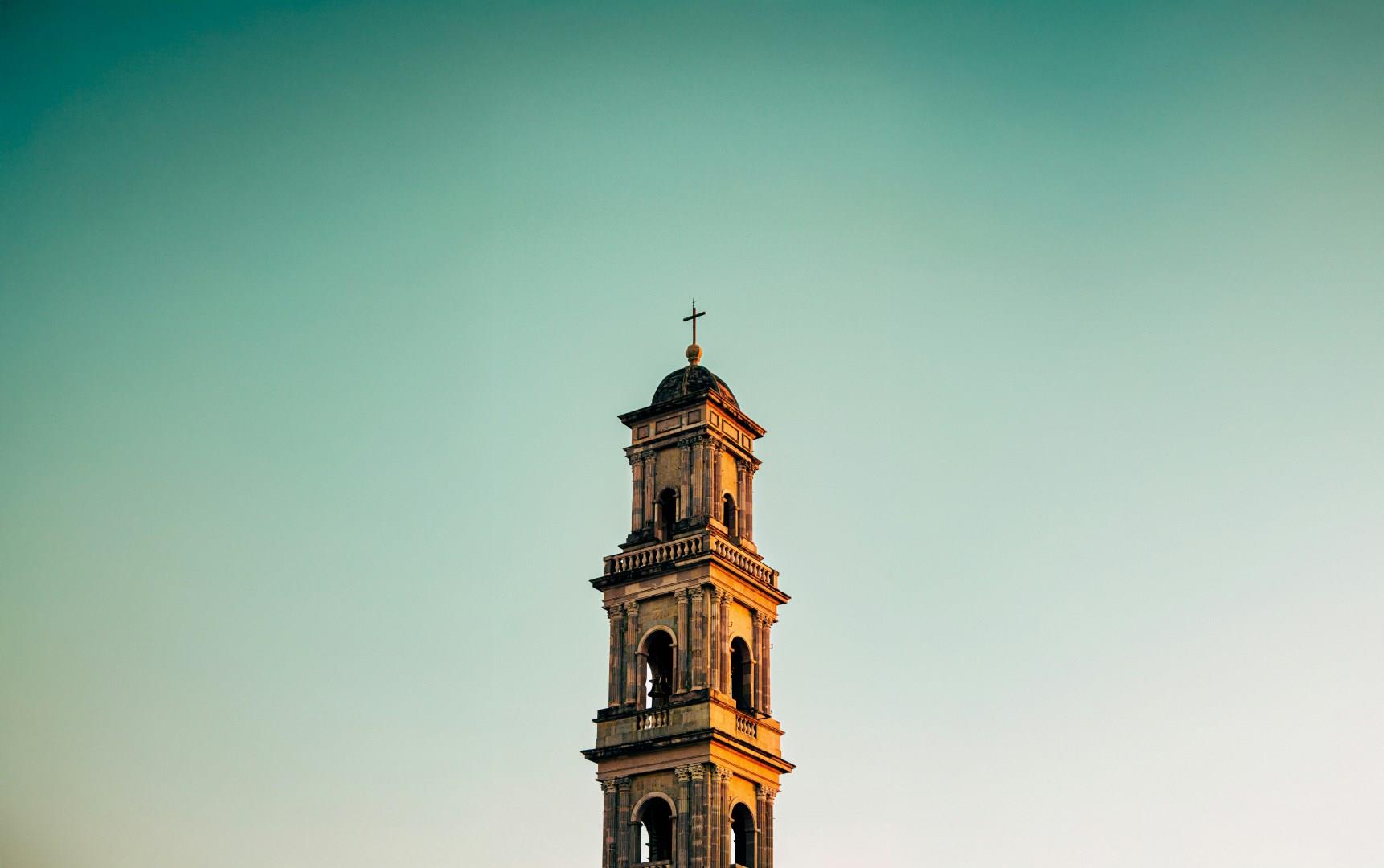
Tampico, located on the Gulf Coast of Tamaulipas, is a port city with a layered history shaped by trade, oil, and immigration. Its downtown district is known for neoclassical buildings, many of which were constructed with imported bricks and ironwork from Europe during the oil boom of the early 20th century. One of Tampico’s most photographed structures is the Mercado Municipal, rebuilt in recent years but still functioning as a central hub for daily life.
Niger
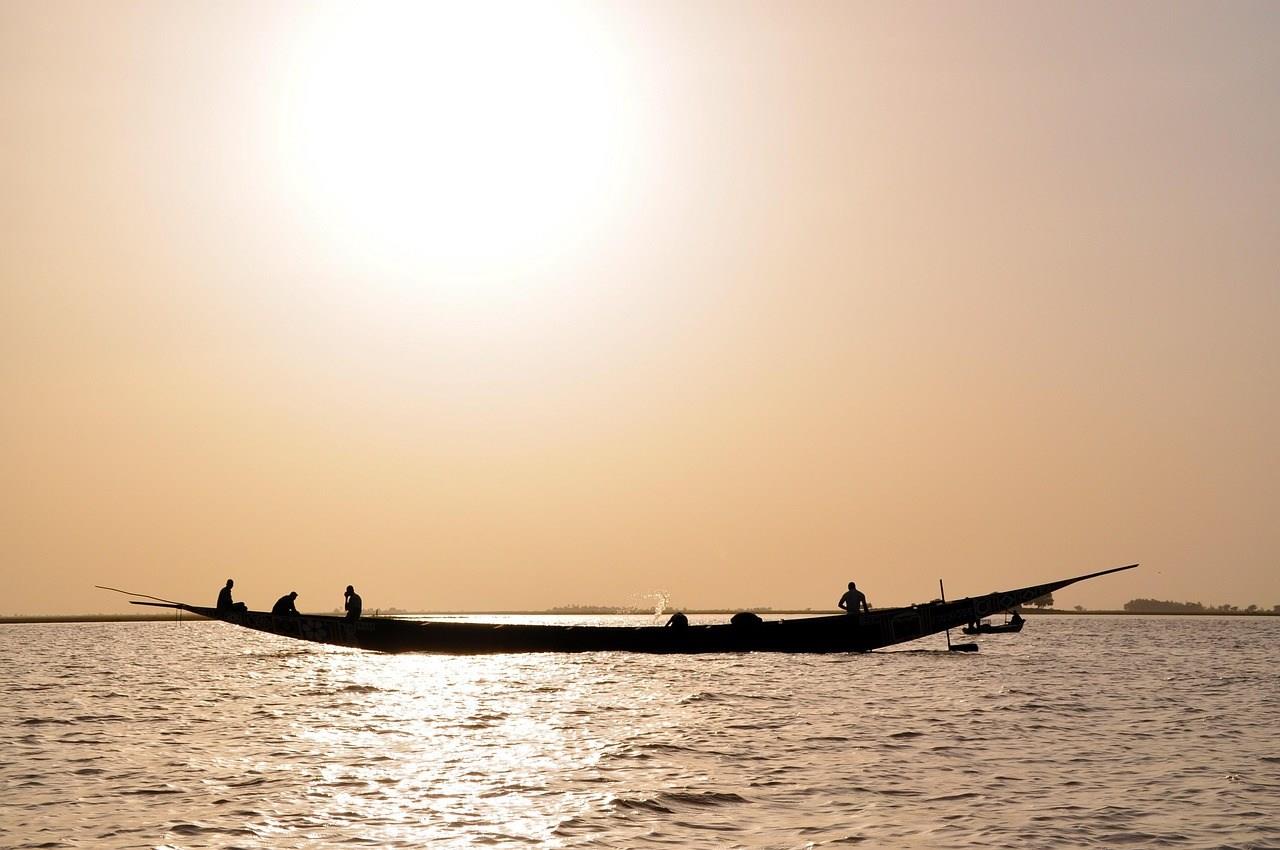
Niger, located in West Africa, is a country of vast landscapes and diverse cultures. Much of its territory is covered by the Sahara Desert, with rolling sand dunes, rocky plateaus, and oasis towns defining the northern regions.

Ghent
If it wasn't for Paris, Ghent would be medieval Europe's largest city. Steeped in history both rebellious and industrious, it sits at the junction of the Leie and Scheldt rivers and was once the site of armed battles by its townsfolk, who raged against heavy taxes and restricted civil liberties.
