
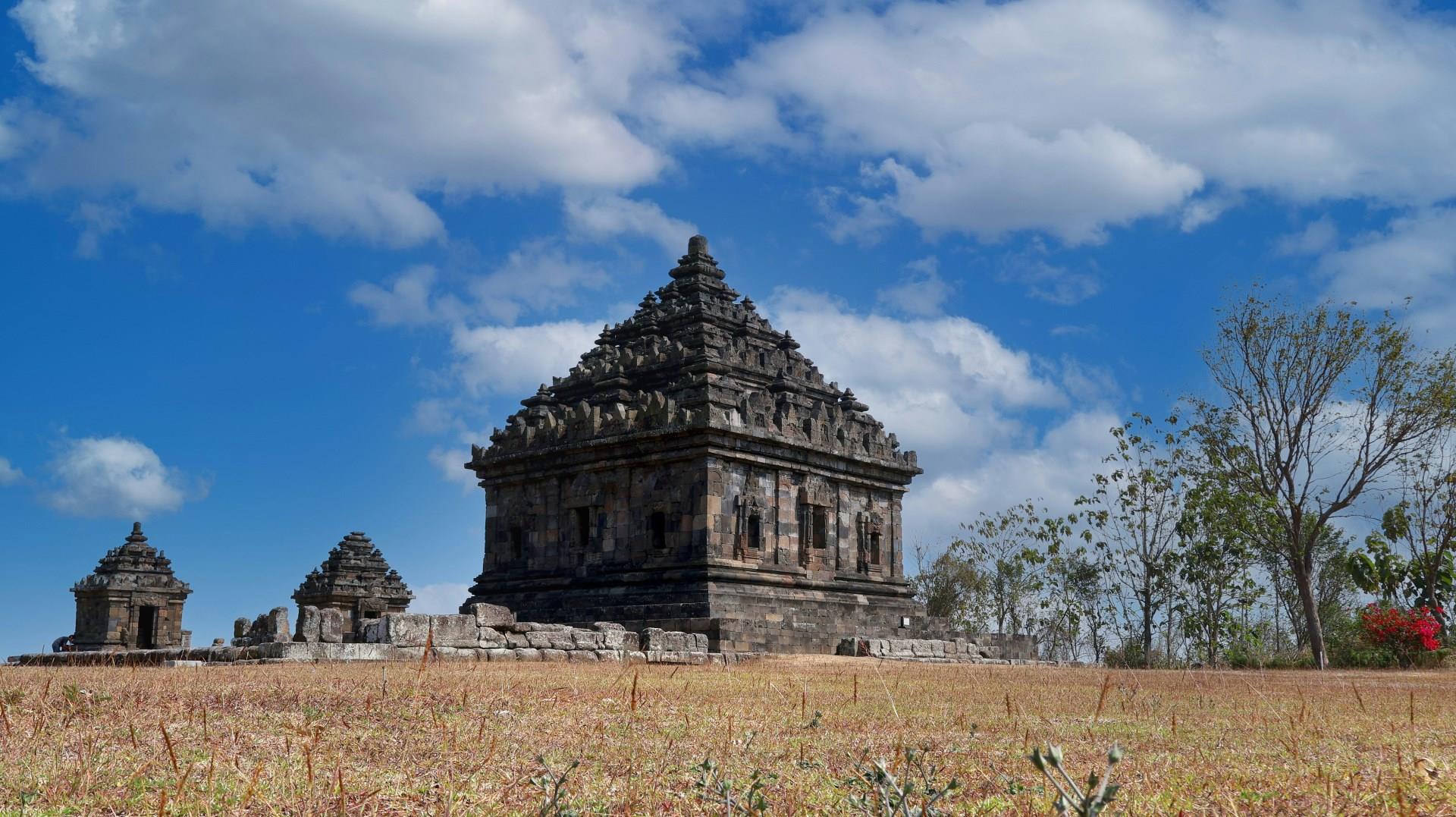
Yogyakarta Java
Yogyakarta, on the island of Java, is often described as Indonesia’s cultural capital, a reputation grounded in living tradition rather than nostalgia. It remains the seat of a functioning sultanate, and the royal palace, or kraton, anchors the city’s identity through ceremonies, crafts, and court arts that continue to shape everyday life. The city also played a key role in Indonesia’s struggle for independence, giving it a strong sense of civic pride and historical awareness.

Island of Hawai'i
Hawaii Island, also known as the Big Island, is a place where natural wonder and cultural heritage converge in breathtaking ways. The island’s diverse landscapes span black sand beaches, verdant rainforests, and snow-capped mountains. Volcanoes National Park is a must-see destination where visitors can witness the power of Earth’s creation at the Kīlauea and Mauna Loa volcanoes, two of the most active in the world.

Gibraltar
Perched at the southern tip of the Iberian Peninsula, Gibraltar is a captivating destination where British and Mediterranean influences seamlessly blend. Dominated by the iconic Rock of Gibraltar, this British Overseas Territory is a haven for travelers seeking both adventure and history. The Rock itself is a limestone monolith that stands 426 meters high and offers breathtaking views over the Strait of Gibraltar, where the Mediterranean Sea meets the Atlantic Ocean.
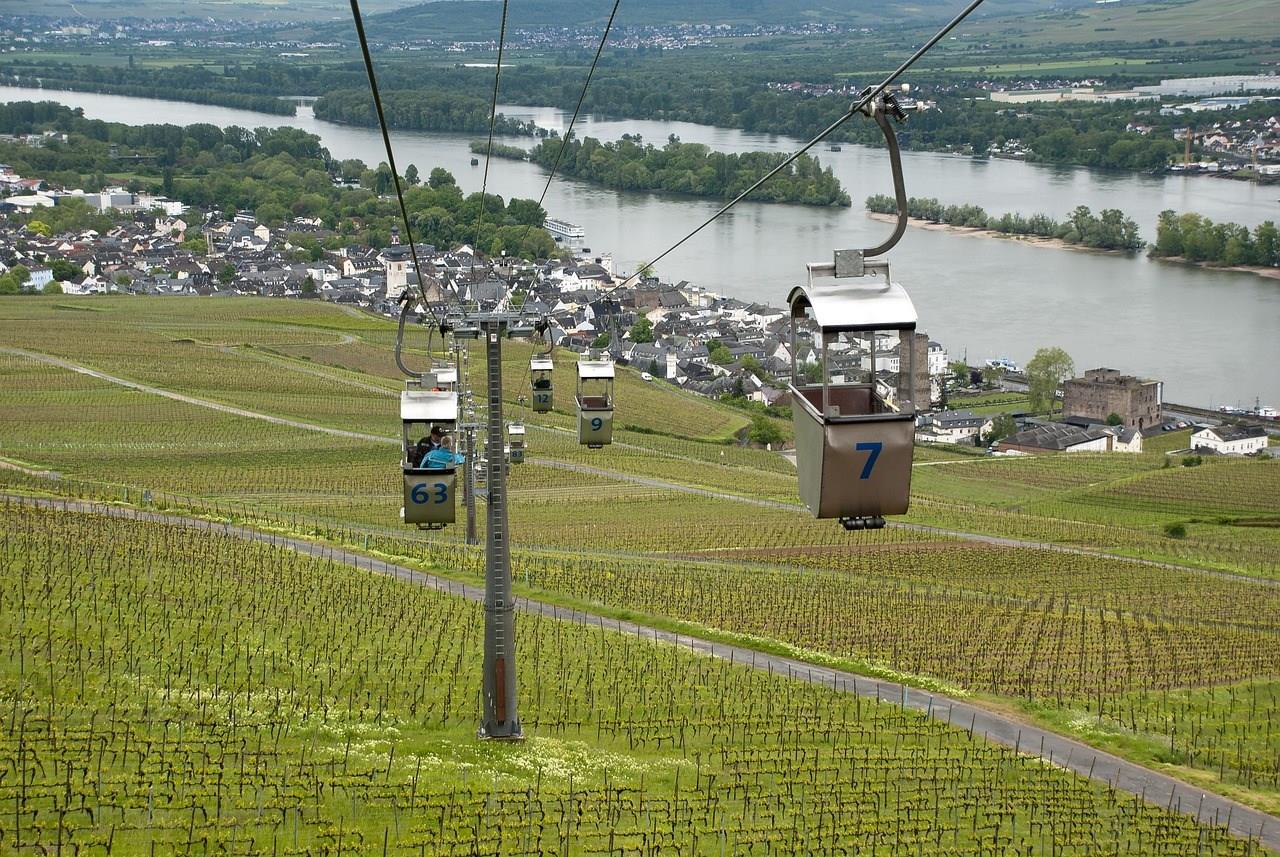
Rüdesheim
This city in the Rhine Gorge is known for its winemaking, dramatic landscapes and 15-minute cable car ride to the Niederwald Monument (celebrating the German victory over France in 1871).
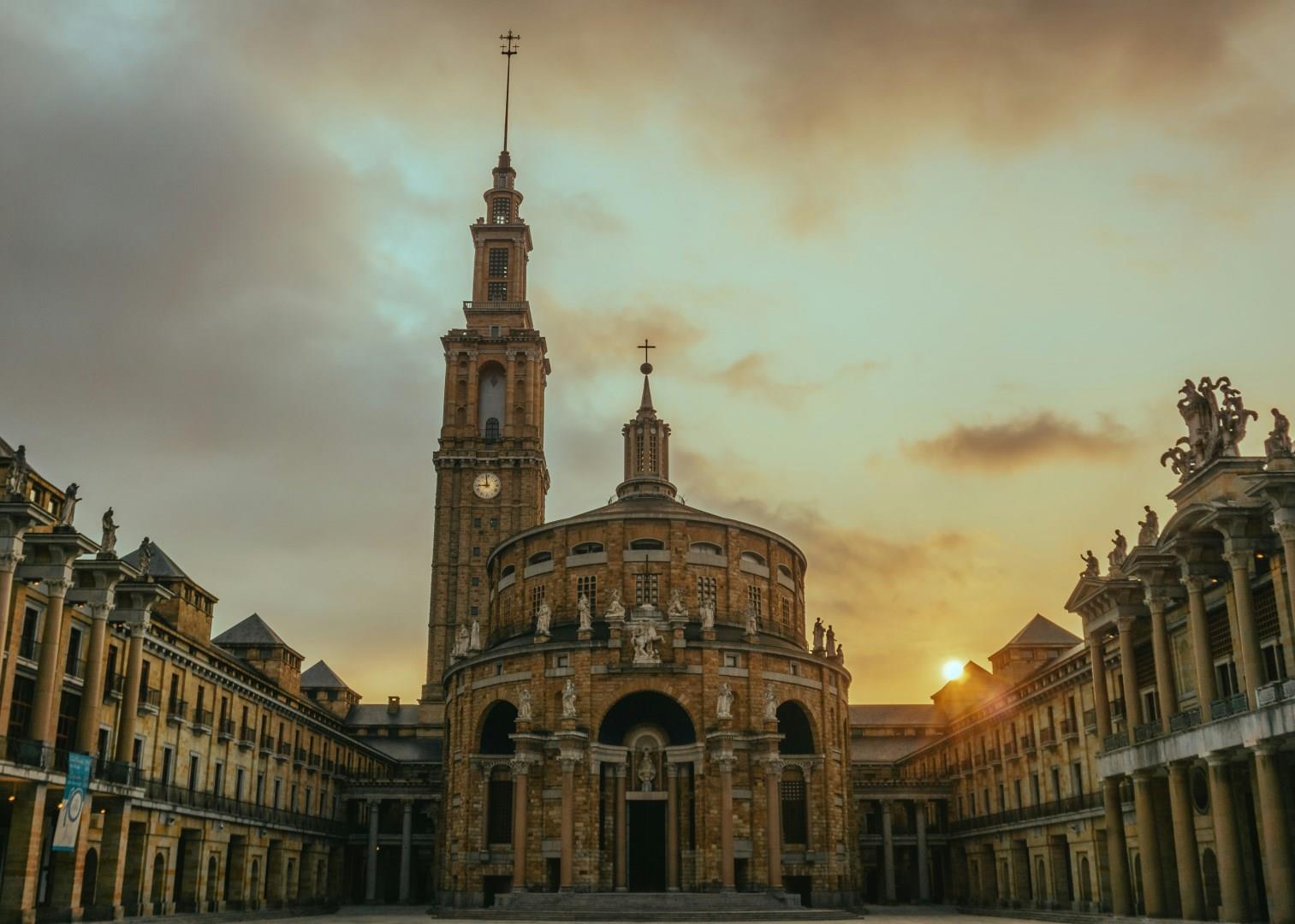
Gijon
Gijón sits on Spain’s northern coast in Asturias, shaped by its long relationship with the Cantabrian Sea. From its origins as a Roman settlement to its later growth as an industrial and port city, Gijón has balanced maritime work with civic life.
