

Ishasha
Ishasha, a hidden gem in southwestern Uganda, offers travelers a serene yet thrilling experience within Queen Elizabeth National Park. Known for its famous tree-climbing lions, this remote section of the park attracts wildlife enthusiasts eager to witness these majestic creatures lounging in the branches of fig and acacia trees. The landscape of Ishasha is stunning, with vast savannahs stretching out towards the horizon, dotted with rivers that attract herds of elephants, buffalo, and antelopes.

French Riviera
The French Riviera, or Côte d'Azur, is one of the most iconic and glamorous coastal destinations in the world, attracting visitors from all over the world. Stretching along the southeastern Mediterranean coast of France, it is renowned for its stunning beaches, crystal-clear waters, and picturesque towns such as Nice, Cannes, and Saint-Tropez.

Walvis Bay
Walvis Bay, set along Namibia’s Atlantic coast, is a vibrant port town where desert and ocean converge in striking contrast. Once under German and later South African administration, the bay has long been valued for its deep natural harbor, which remains central to Namibia’s fishing and shipping industries today.

Mumbai
This energetic city is home to three UNESCO World Heritage Sites: the Elephanta Caves, Chhatrapati Shivaji Maharaj Terminus, and the city's distinctive Victorian and Art Deco buildings. It is the largest city in India and contains 7 distinct districts. There is so much to see here, but the most popular tourist attractions are typically concentrated in South Mumbai such as the Elephanta Caves, the Gateway of India and Chhatrapati Shivaji Maharaj Terminus.
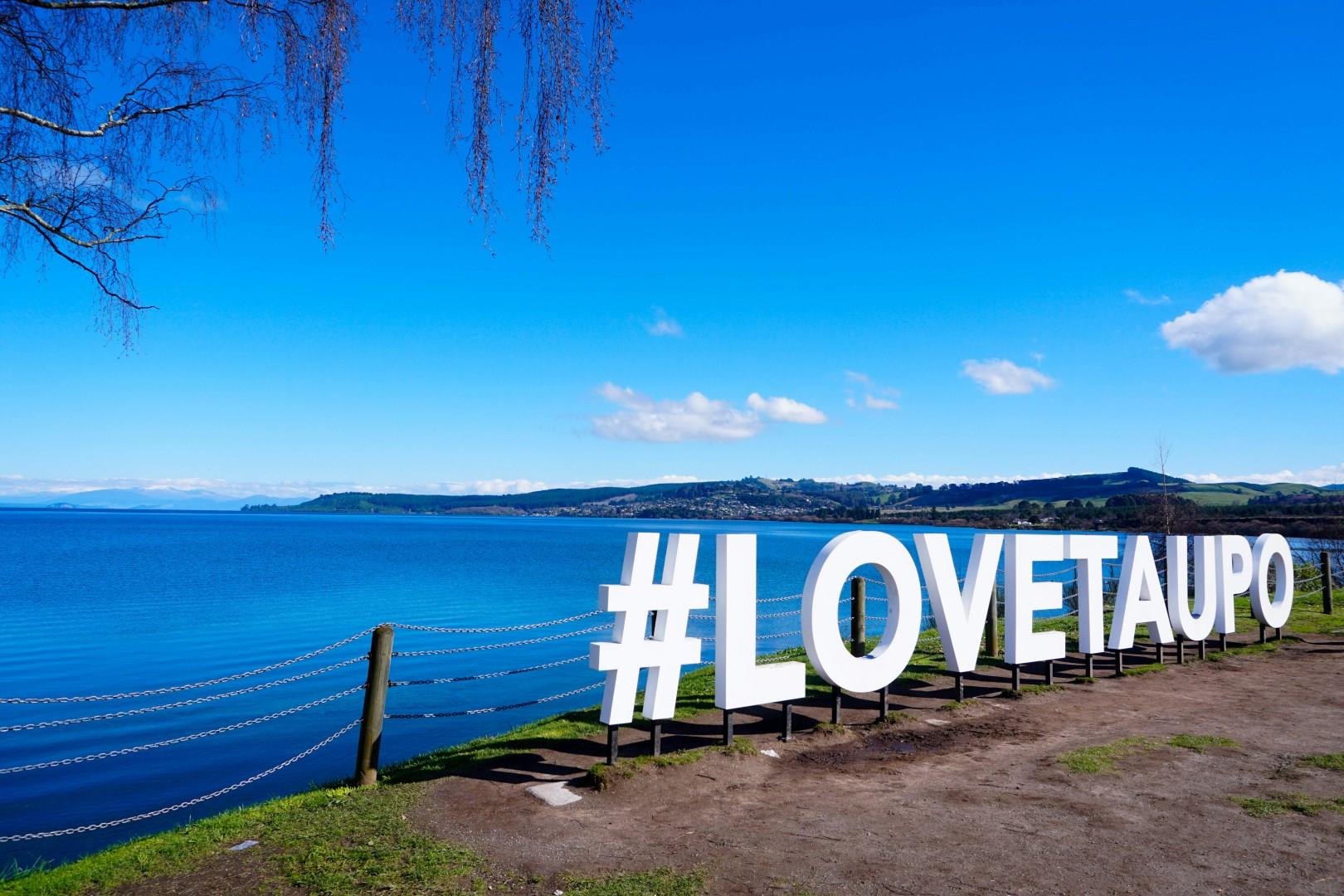
Taupo
Taupō, located in the heart of New Zealand’s North Island, is built along the shores of Lake Taupō, which is the largest freshwater lake in Australasia, formed nearly two thousand years ago by a massive volcanic eruption. That eruption was so powerful, it was recorded in ancient Chinese and Roman texts, even though it occurred halfway across the world. Today, the lake is calm, clear, and central to life in the region, offering everything from trout fishing to kayaking and lakeside cycling.
