

Québec City
Visit picturesque Quebec City, situated on the mighty St. Lawrence River, and become instantly mesmerized by this historic jewel in Canada’s French province. Replete with striking landmarks and stunning architecture, Quebec City is perfect for sight-seeing and deserves ample time for exploration.

Porto Santo Stefano
Porto Santo Stefano features two main ports which serve as gateways to the nearby Tuscan Archipelago. Visitors can enjoy the crystal-clear waters and pristine beaches, perfect for swimming and snorkeling.

Vik
Perched on the southern coast of Iceland, the quaint village of Vík í Mýrdal, or simply Vík, is a destination that defies expectations with its dramatic landscapes and unique charm. Known as Iceland’s southernmost village, Vík is famed for its striking black sand beach, Reynisfjara, consistently ranked among the most beautiful non-tropical beaches in the world.
M'Hamid
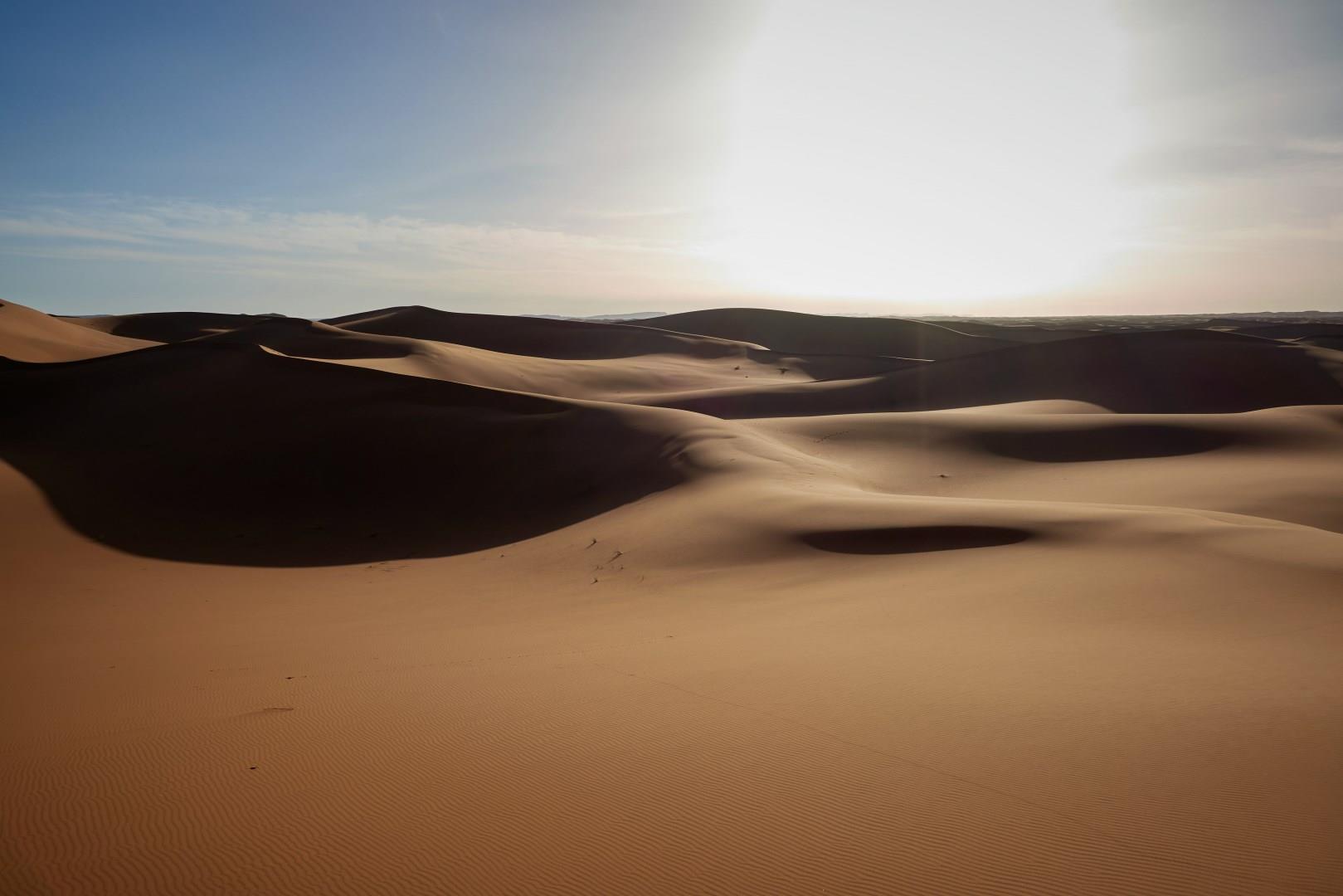
M’Hamid El Ghizlane sits deep in southeastern Morocco’s Sahara, where the paved road ends and endless sands begin. Travelers often arrive from Zagora, taking in the wide palm groves fed by ancient irrigation channels that show how people have sustained life here for centuries. At sunrise and sunset, the dunes glow with waves of gold and copper, offering unforgettable views few places on earth can match.
Acajutla
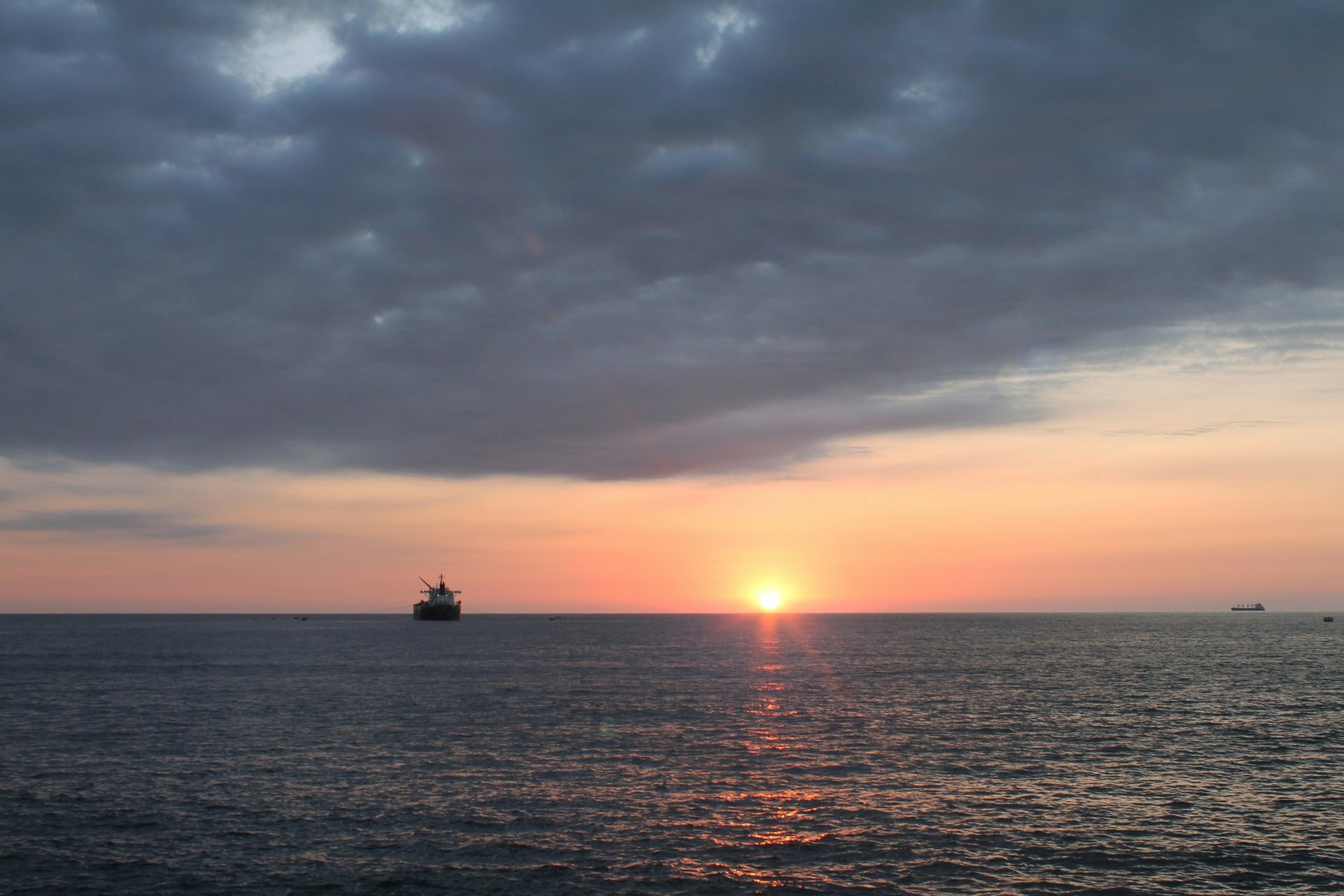
Acajutla is the principal Pacific port of El Salvador, located in the department of Sonsonate along the country’s western coastline. The city plays an important role in trade and transportation, with cargo ships, fishing boats, and industrial facilities shaping much of the waterfront activity.
