

Agra
Once the capital of the Mughal Empire, Agra, India is now a cultural capital replete with famous landmarks and striking architecture. The city’s most prominent draw is the magnificent Taj Mahal, the iconic white marble mausoleum and a UNESCO World Heritage Site visited by millions of people each year.
Manama
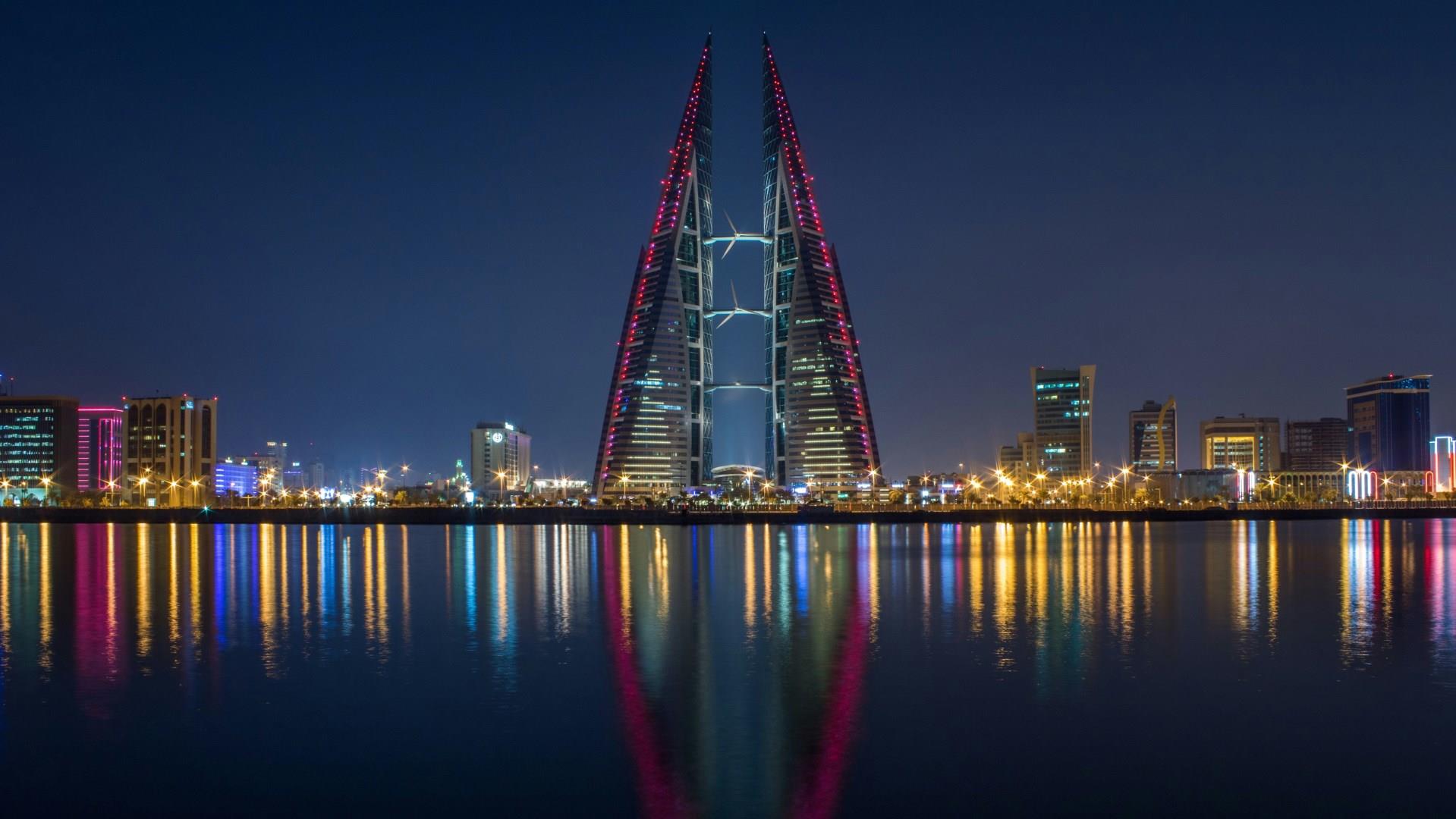
Manama pulses with stories from long ago and today. Just beyond the modern skyline lies Qal’at al‑Bahrain, a layered mound once the capital of Dilmun, used by societies from the Kassites to the Portuguese. Visitors can climb its crumbling stairways and imagine life across centuries there. Nearby, the Bahrain National Museum, opened in 1988 in a stately waterside building, displays archaeological finds from ancient Dilmun to modern-day artifacts and is one of the Gulf's first modern museums.

Amazon River
The Amazon River, winding through the heart of South America, is a marvel of nature that offers unparalleled adventure in one of the most biodiverse regions on Earth.
Bulawayo
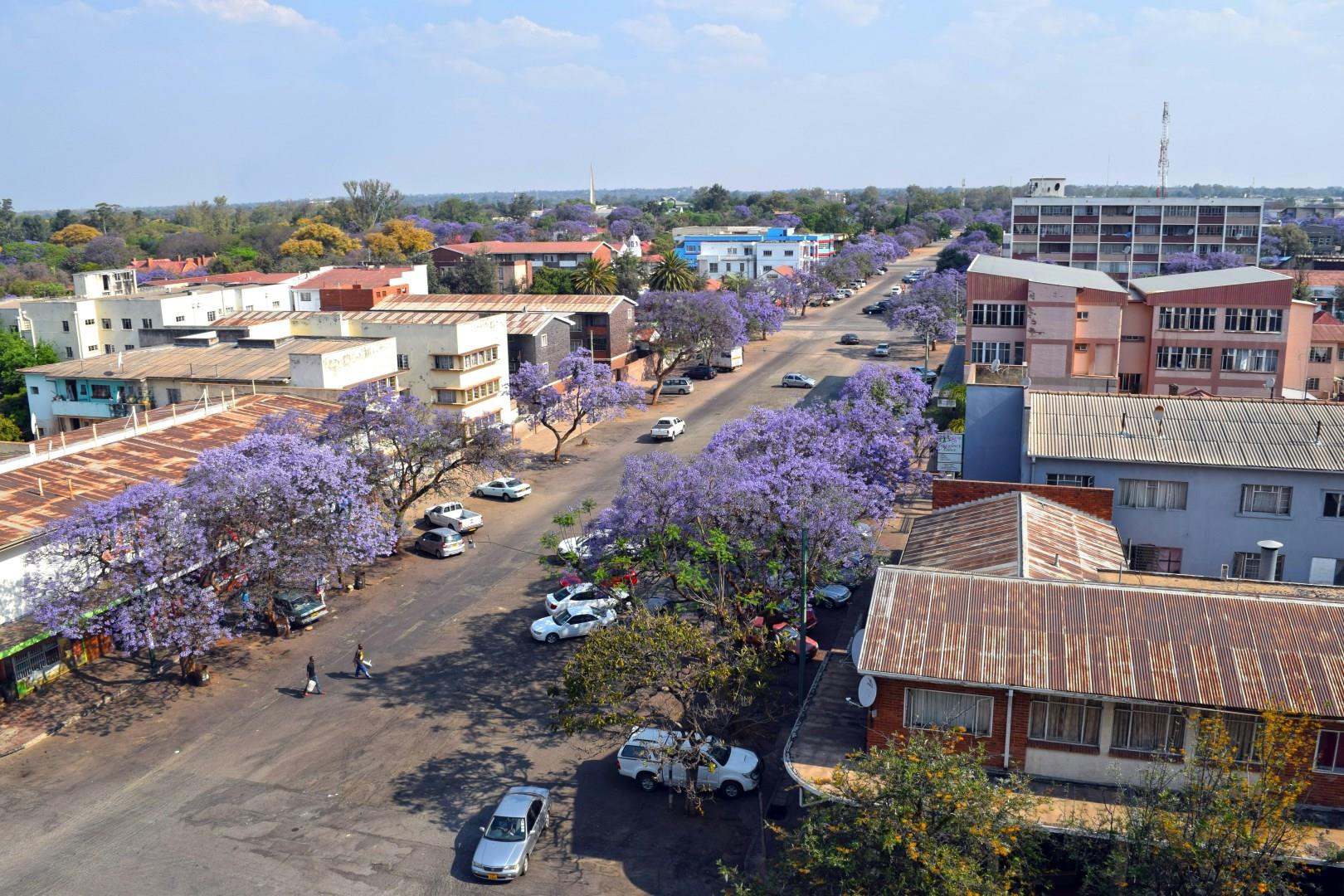
Bulawayo is Zimbabwe’s second-largest city and a place where industrial heritage and deep cultural roots intersect. Founded near the former capital of the Ndebele kingdom, the city carries strong historical significance tied to King Lobengula and the resistance to colonial expansion.
Newark
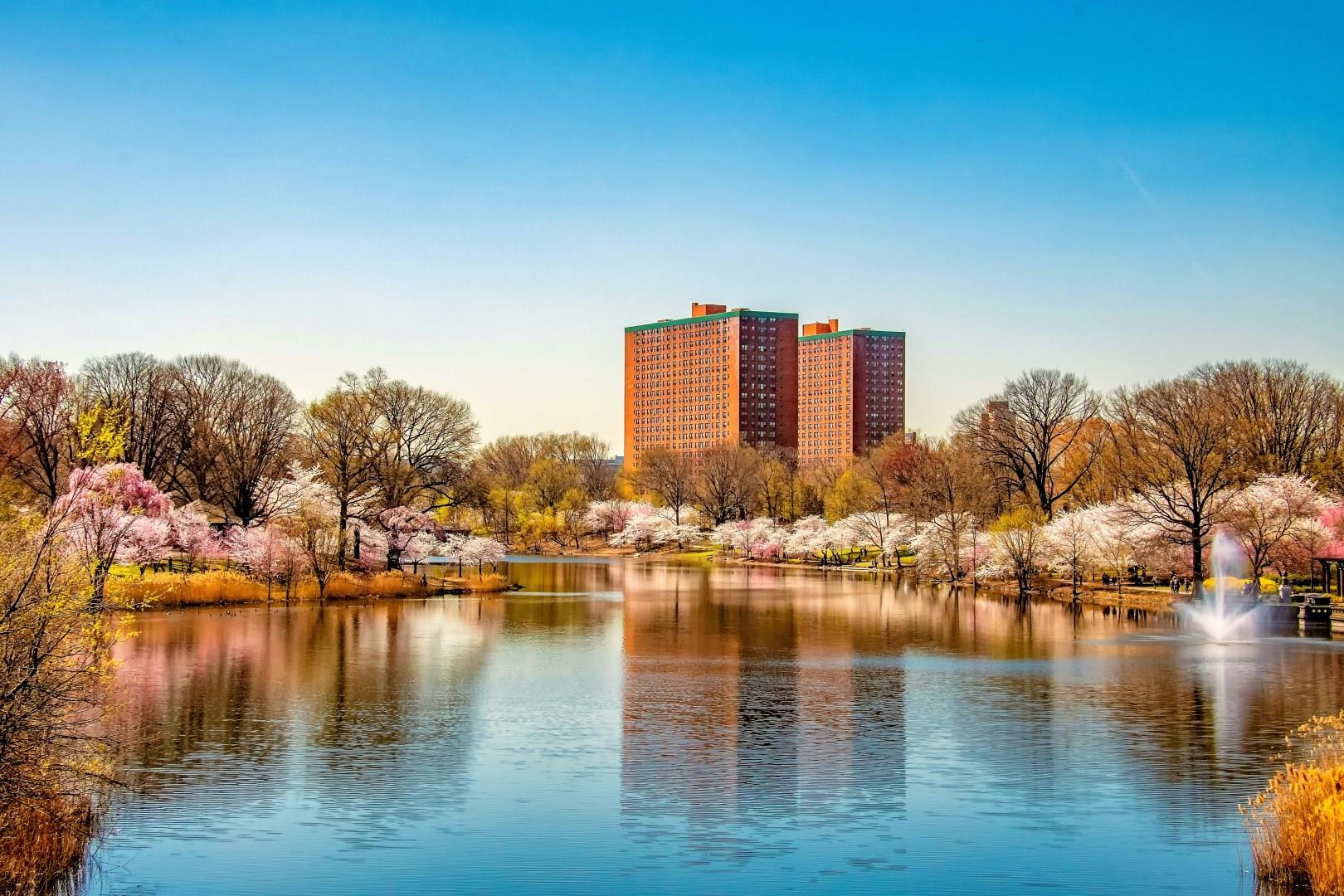
Newark, New Jersey is often overshadowed by its proximity to New York City but still has a strong identity rooted in history, art, and global culture. As one of the oldest cities in the United States, founded in 1666, Newark’s rich past is visible in landmarks like the Old First Presbyterian Church and Military Park, where George Washington once camped. The city’s architecture reflects its legacy, from the Beaux-Arts Newark Museum building to the art deco facade of the historic Hahne & Co. depar
