
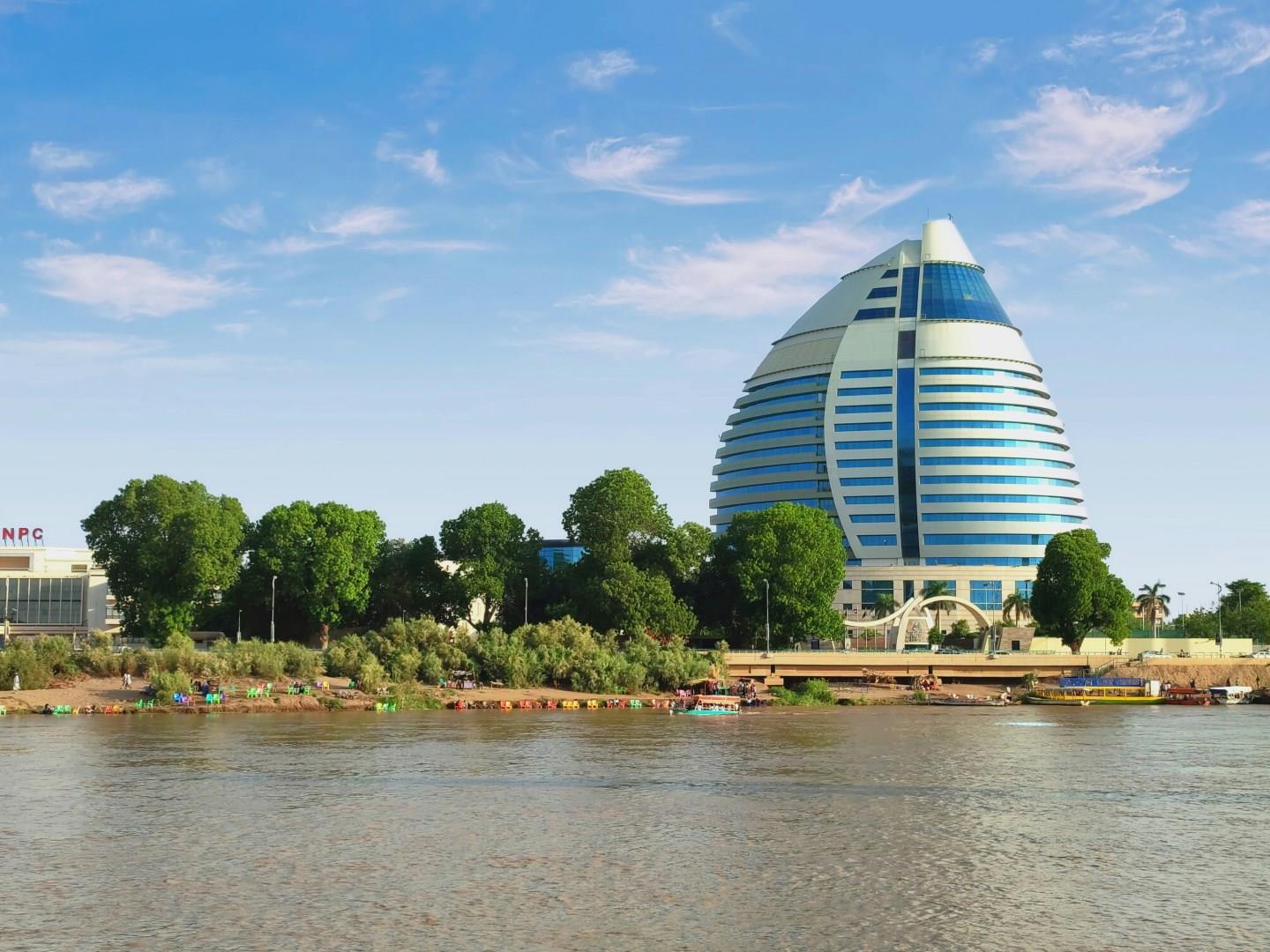
Khartoum
Khartoum, the capital of Sudan, sits where the Blue and White Nile rivers meet, creating a unique landscape of waterways, islands, and riverbanks.
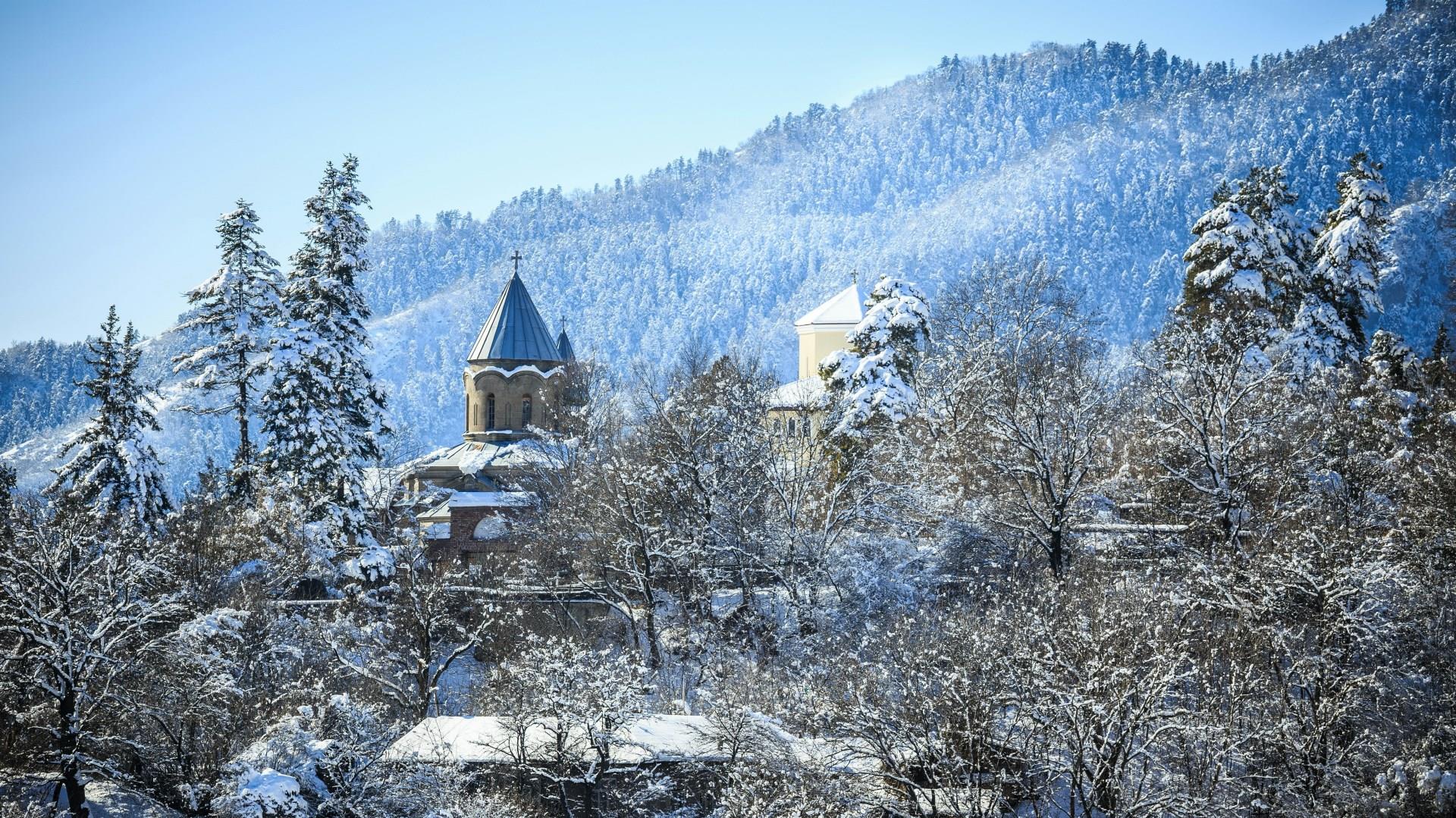
Borjomi
Borjomi sits high in the center of Georgia, in a long valley along the Borjomula River surrounded by forested mountains. For centuries its mineral springs have drawn people to the region, but it wasn’t until the 1800s that the water became known to the wider world when Russian officers stationed here shared its crisp, naturally fizzy taste and believed health-boosting properties with visitors.
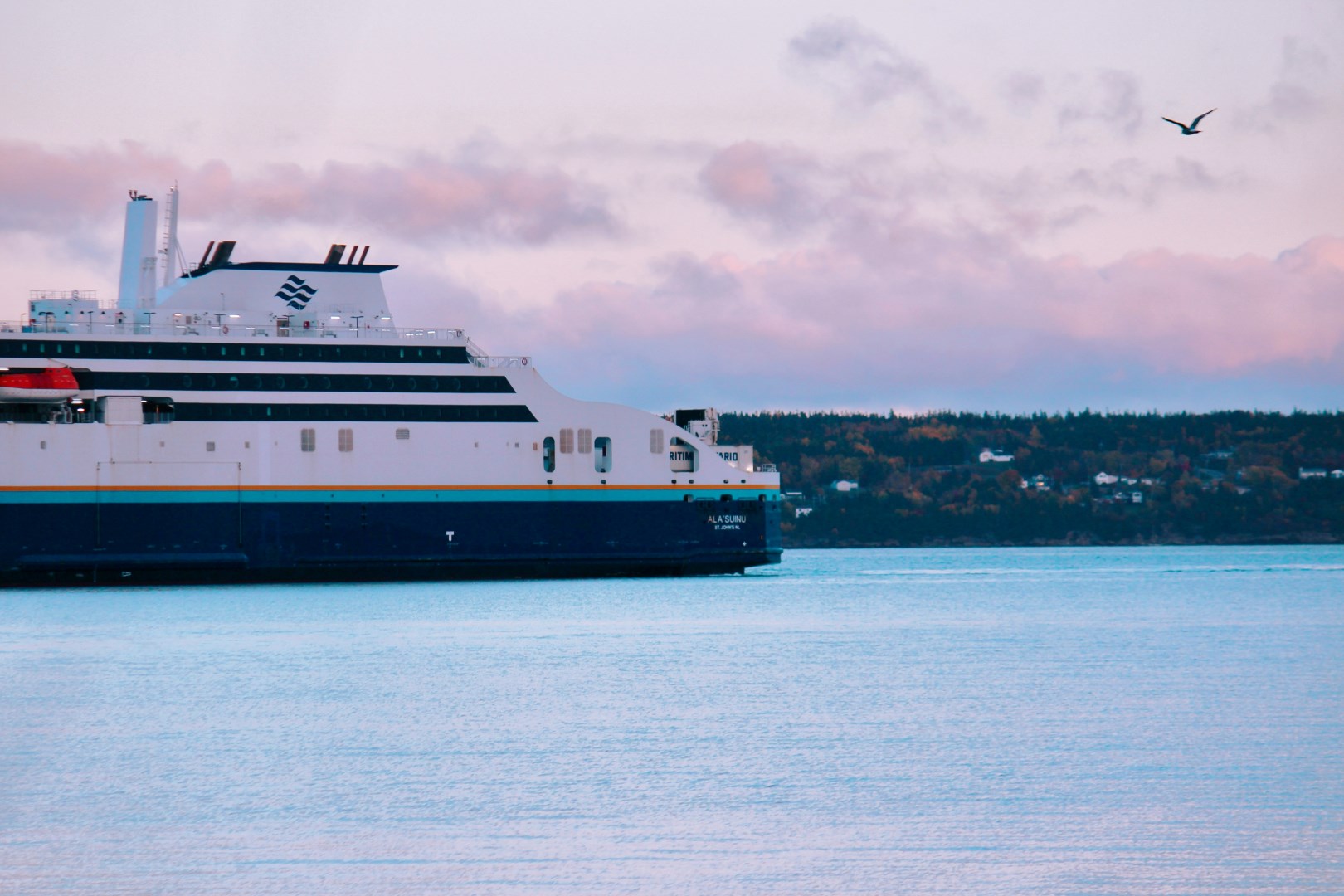
Sydney, Nova Scotia
Situated on the eastern edge of Cape Breton Island, Sydney in Nova Scotia welcomes visitors with a strong connection to the sea and a deep-rooted cultural identity. The city’s waterfront is a natural gathering place, where boardwalks stretch along the harbor and offer views of fishing boats, cruise ships, and open water. One of its most recognizable landmarks is the world’s largest fiddle, a towering tribute to the region’s musical traditions.
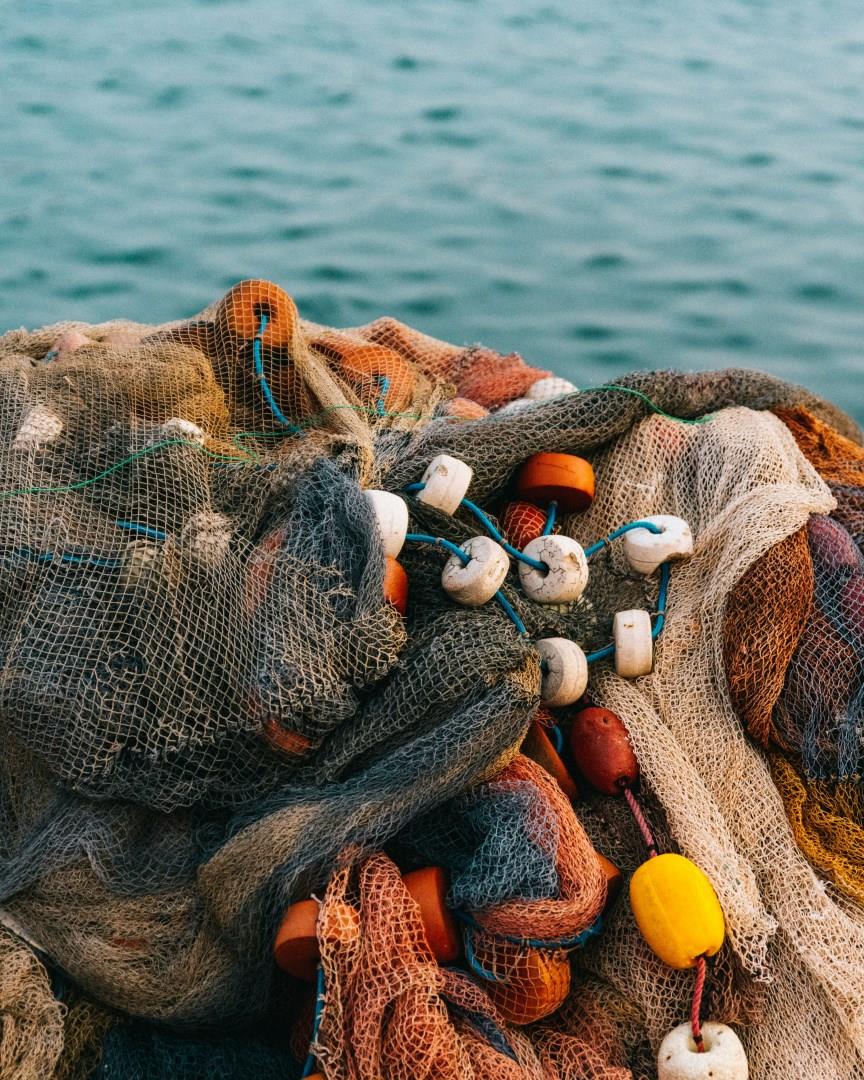
Palmeira
On the north-western coast of Sal Island in Cape Verde sits Palmeira, an authentic fishing settlement where day-to-day life still revolves around the sea. The village’s seaside restaurants serve grilled tuna, octopus, and flying fish fresh from the day’s catch. Just a short trip from the centre lies Buracona, a natural lava rock pool famous for the “Blue Eye,” a glowing underwater cave that shines when the sunlight hits at just the right angle.
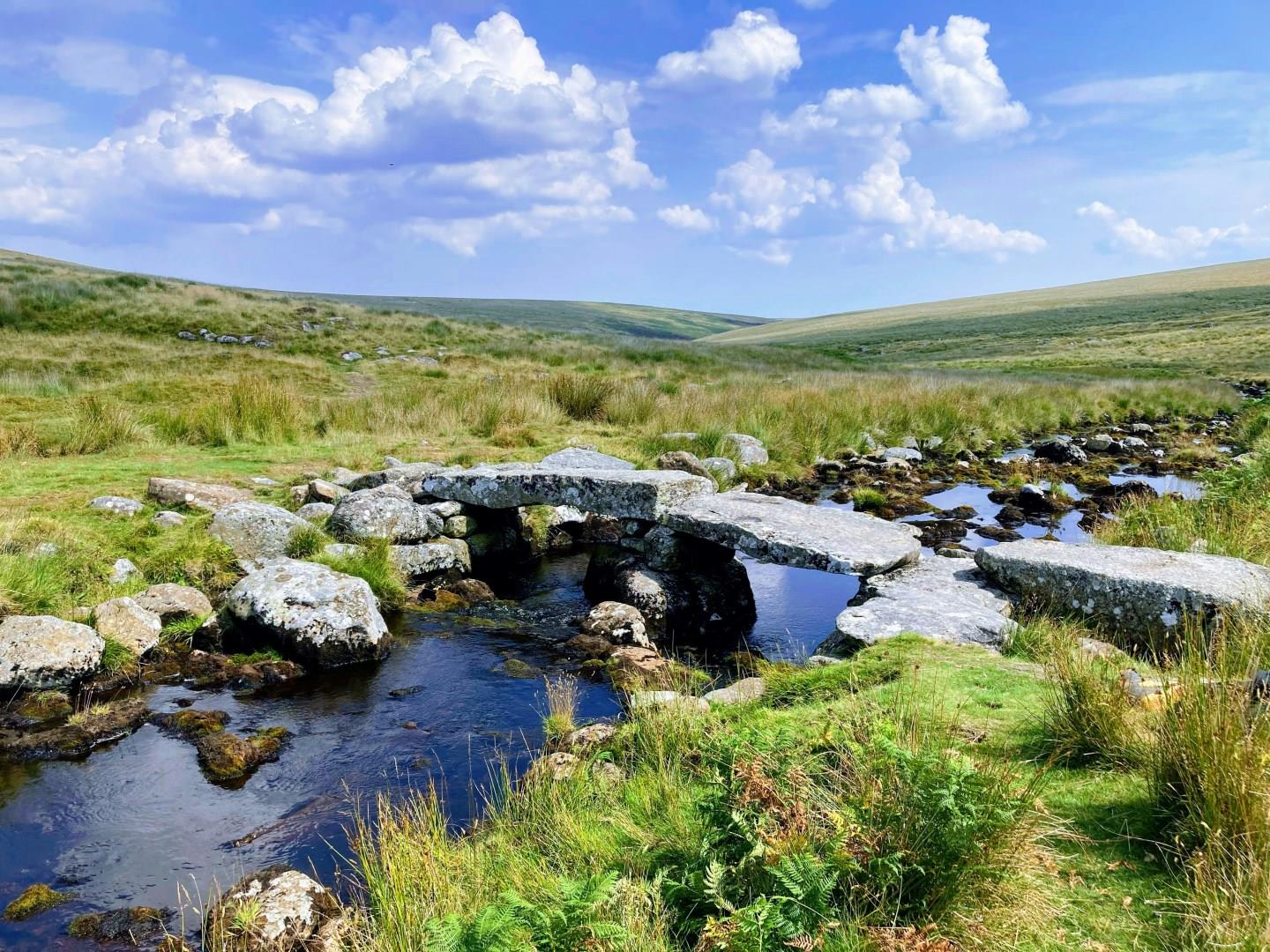
Dartmoor National Park
Dartmoor National Park sits in the heart of Devon, England, and invites travelers to step into a landscape that has changed little over thousands of years. Rolling moorland, deep river valleys, and more than 450 miles of paths give visitors space to explore at their own pace. Ancient stone rows, circular dwellings, and burial cairns spread across the moorland are reminders of people who lived here as far back as the Bronze Age.
