
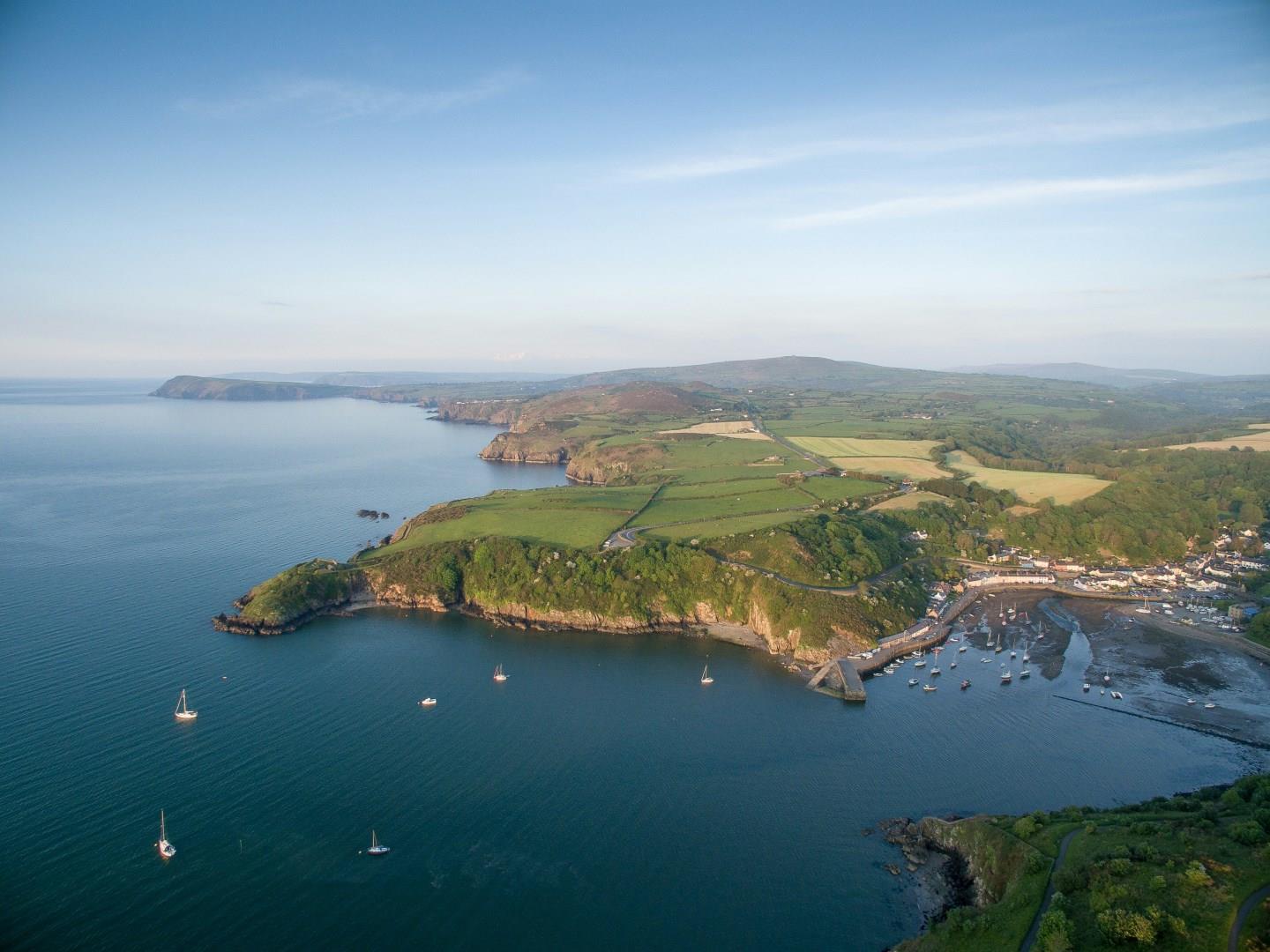
Fishguard
Fishguard, a coastal town in north Pembrokeshire, is divided into two parts: Fishguard and Lower Town. Lower Town is a small harbor nestled at the mouth of the River Gwaun, lined with fishing cottages and boats. It has served as a filming location for several productions, including the 1956 movie *Moby Dick* starring Gregory Peck. Visitors can walk the quayside, explore rock pools at low tide, or take boat trips along the Pembrokeshire Coast.

Christchurch
Welcome to Christchurch, a picturesque city with English heritage. Here, the new mixes with the old in enchanting ways, with edgy modern architecture and old buildings sitting side by side
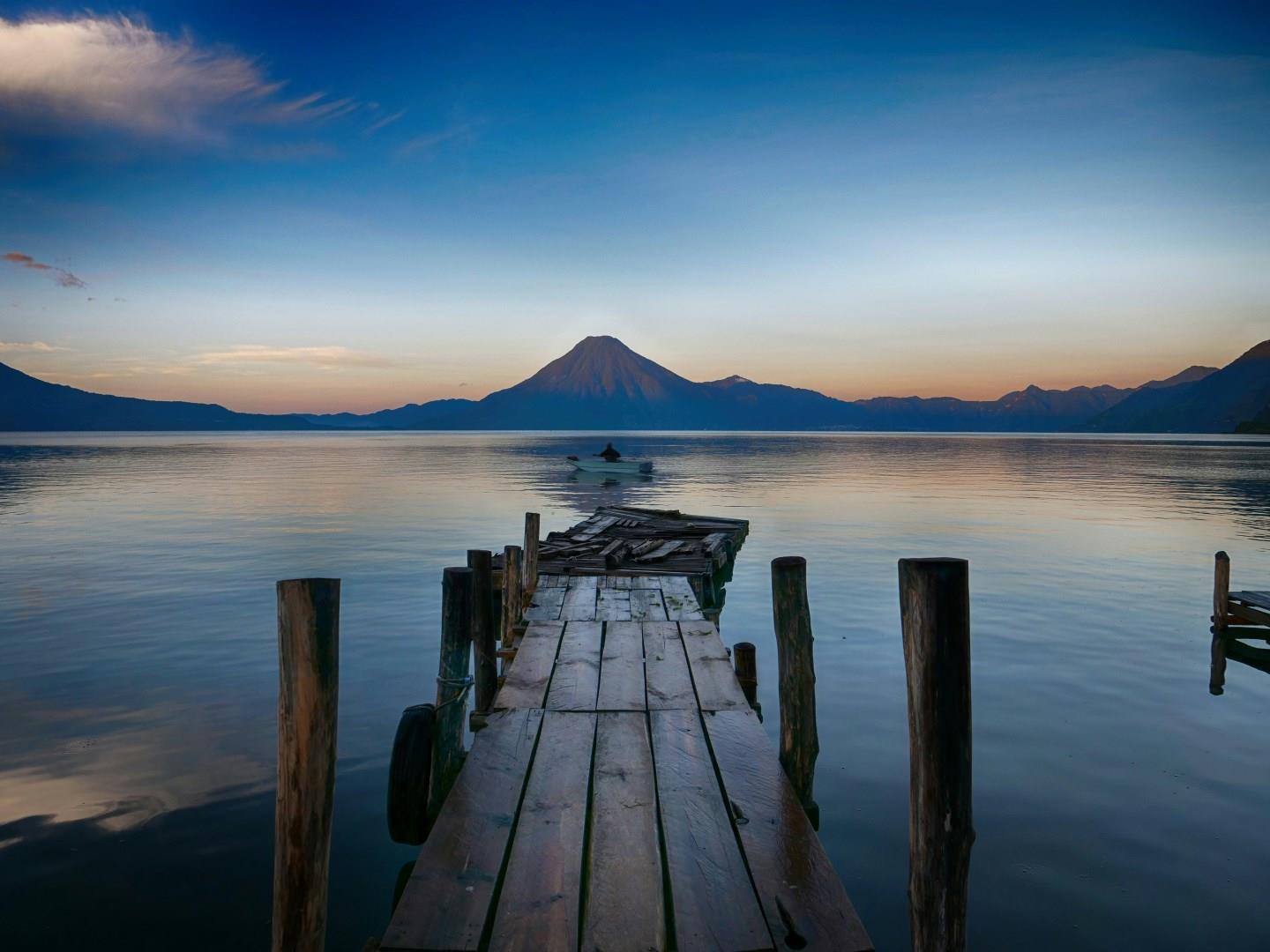
Panajachel
Panajachel, on the shores of Guatemala’s Lake Atitlán, is a vibrant town framed by volcanic peaks and the shimmering waters of one of the world’s most picturesque lakes.
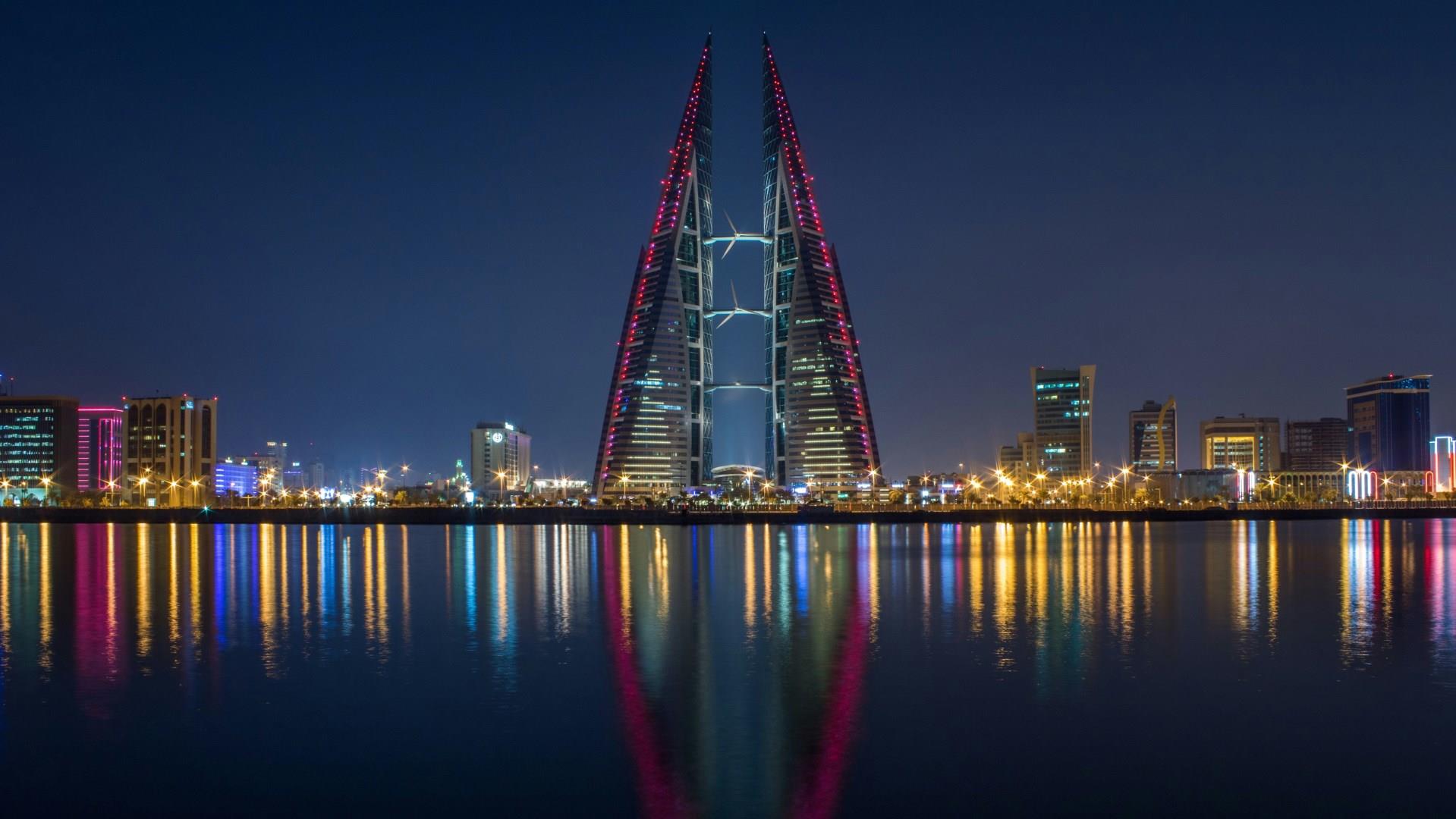
Manama
Manama pulses with stories from long ago and today. Just beyond the modern skyline lies Qal’at al‑Bahrain, a layered mound once the capital of Dilmun, used by societies from the Kassites to the Portuguese. Visitors can climb its crumbling stairways and imagine life across centuries there. Nearby, the Bahrain National Museum, opened in 1988 in a stately waterside building, displays archaeological finds from ancient Dilmun to modern-day artifacts and is one of the Gulf's first modern museums.

Bordeaux
Bordeaux is ready for its close-up! After years of improvements, modern public transportation is in place and the city is gleaming after a wave of restorations. When visiting this lovely destination, be sure to walk across the Garonne River-spanning Stone Bridge (17 arches in all!) and see Place des Quinconces, France's grandest public square.
