

Ottawa
Ottawa, the charming capital of Canada, offers a unique blend of history, culture, and modernity. Nestled along the scenic Ottawa River, the city is home to the iconic Parliament Hill, where the Gothic Revival architecture of the Parliament Buildings stands majestically above the riverbanks. Visitors can witness the ceremonial Changing of the Guard in the summer or explore the Peace Tower for panoramic views of the city.
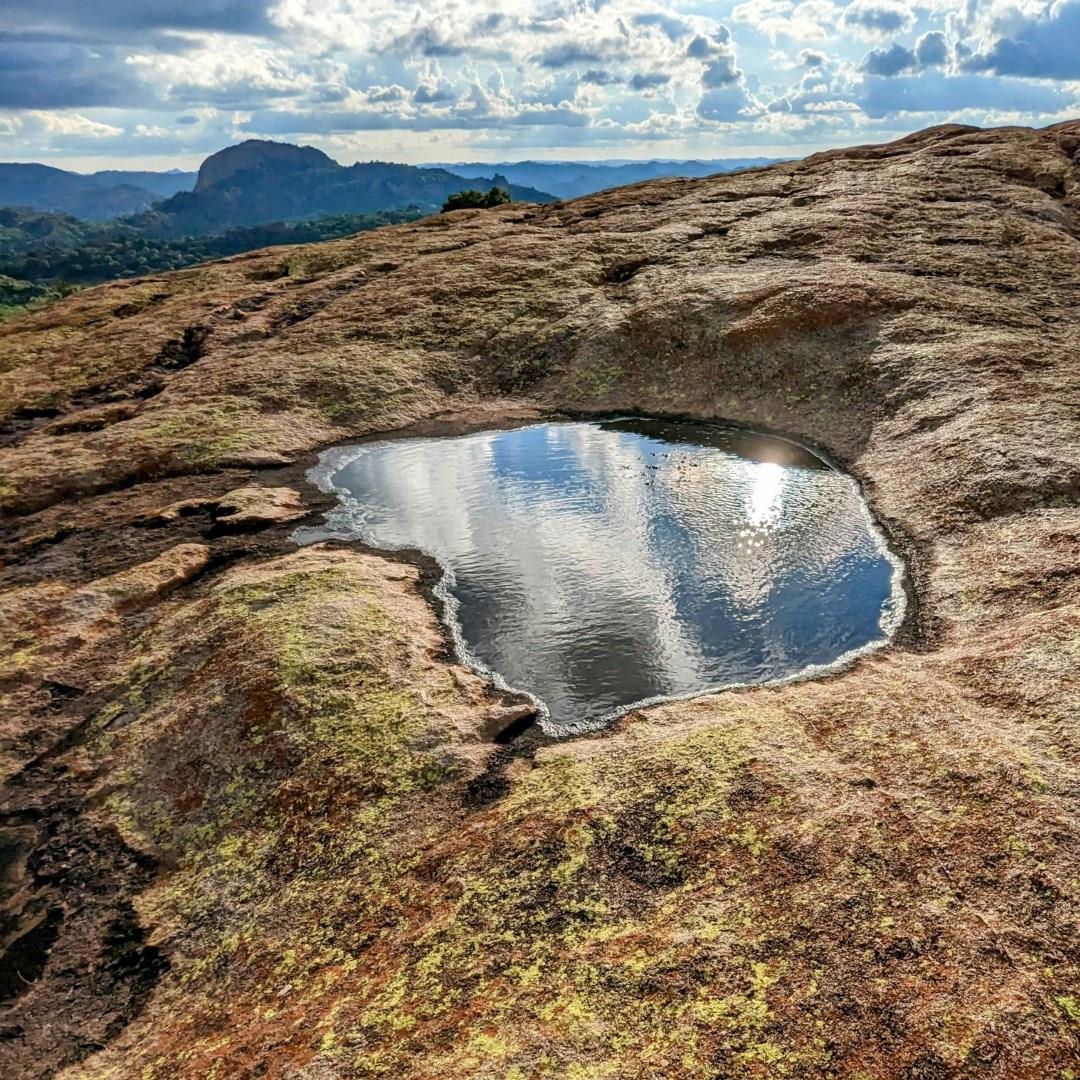
Matobo National Park
Matobo National Park sits in the rolling hills of southern Zimbabwe stands as one of the country’s most remarkable landscapes. Its granite domes, balancing rocks and wooded valleys have formed over more than two billion years, creating a setting that feels both ancient and alive. As a UNESCO World Heritage cultural site, the park preserves a landscape that has shaped human life here for millennia, drawing travelers to explore its unusual terrain and storied past.

St. Jean de Luz
Nestled along the Basque coast in southwestern France, St-Jean-de-Luz is a picturesque fishing town that exudes a unique blend of French elegance and Basque charm. Known for its beautiful sandy beaches and its well-preserved old town, St-Jean-de-Luz is a gem of the French Basque Country.
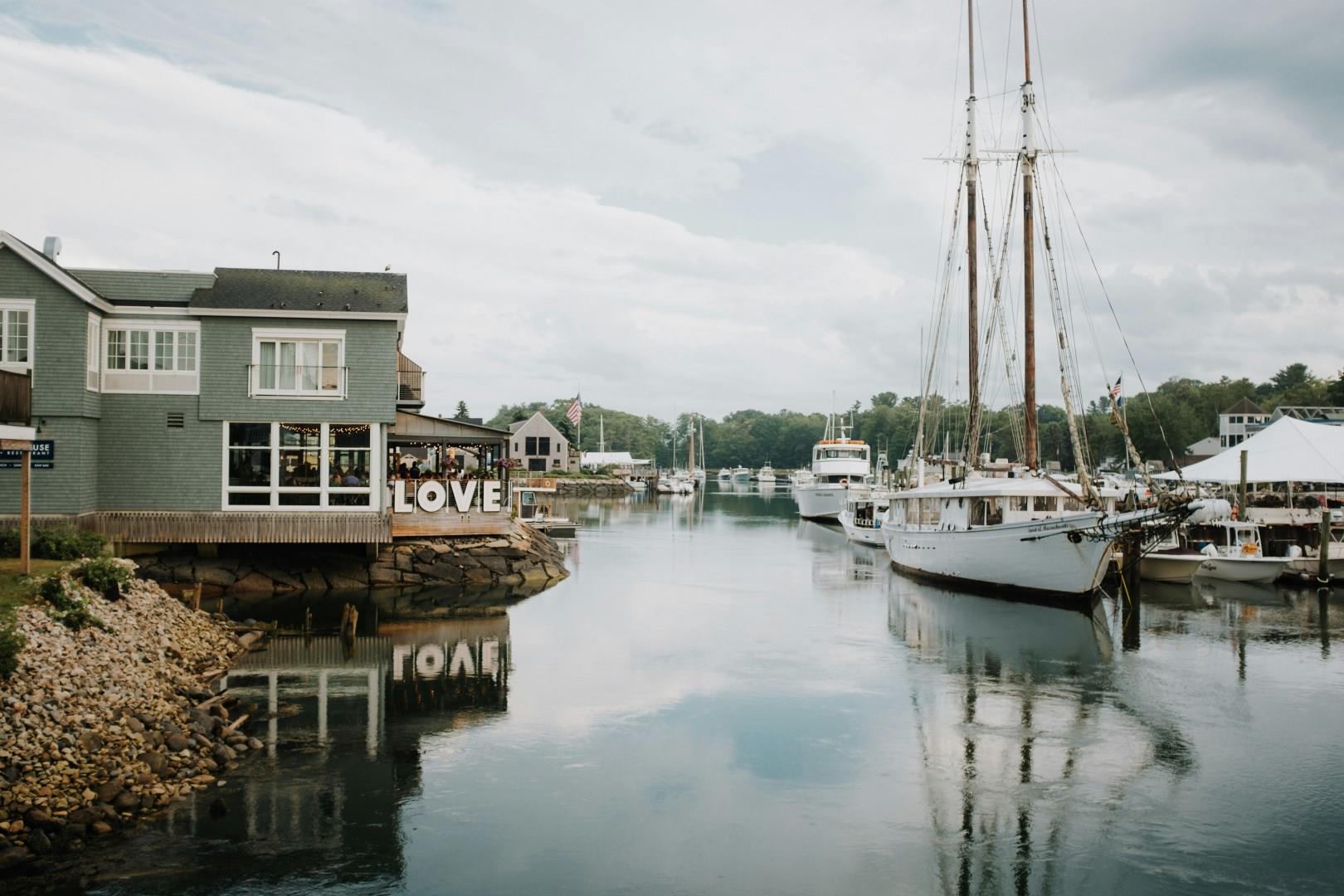
Kennebunkport
Kennebunkport is a small coastal town with a long maritime history and a character all its own. Originally settled in the 1600s, it grew as a shipbuilding center before becoming a quiet summer escape. Today, its working waterfront meets charming streets lined with boutiques, historic homes, and small galleries. Dock Square, the town’s walkable heart, is where visitors can browse local crafts, sample Maine-made ice cream, or pick up a hand-carved wooden buoy as a souvenir.
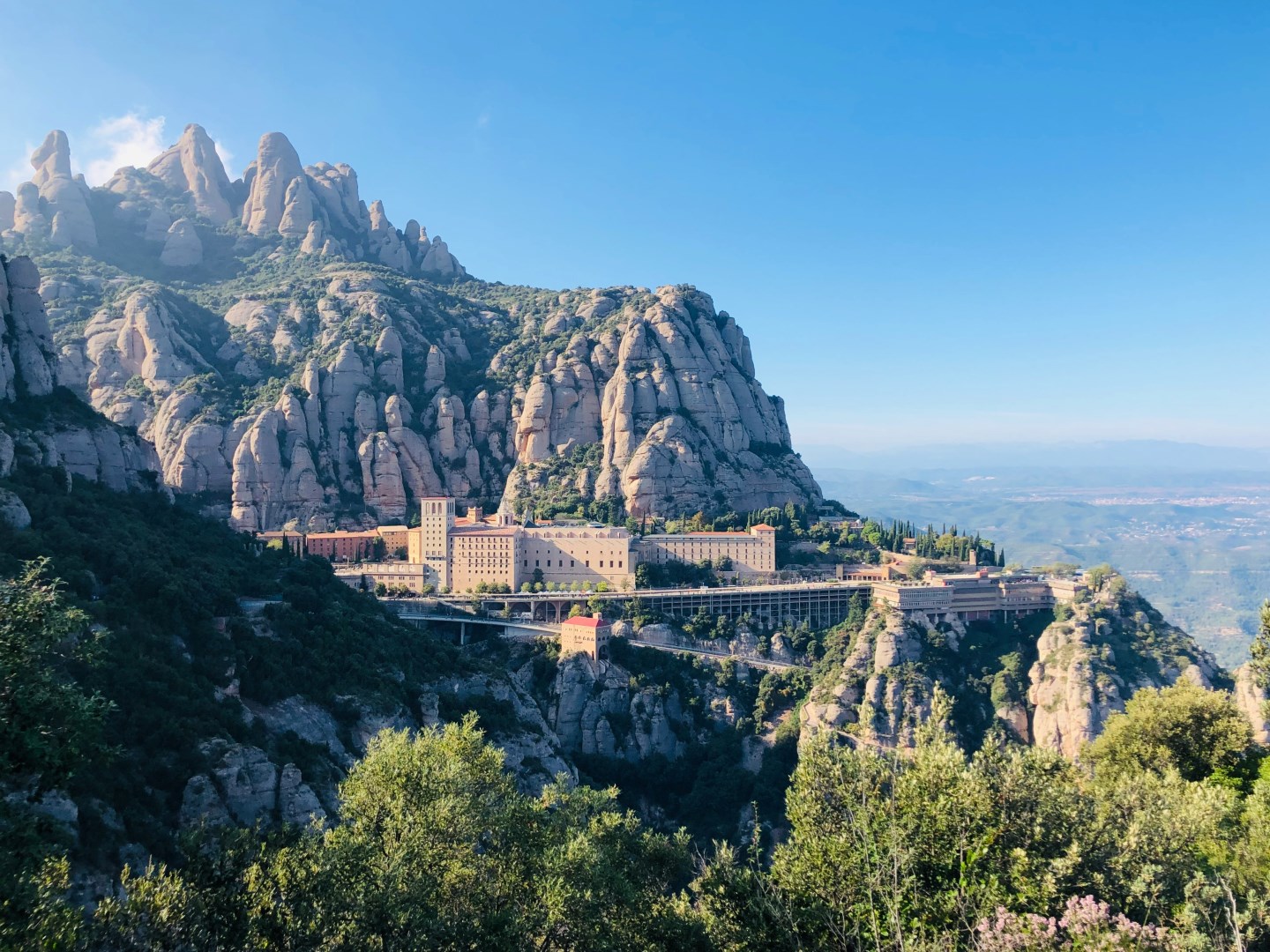
Montserrat
Montserrat Mountain rises sharply from the plains of Catalonia, its jagged rock shapes visible from far away. The mountain is known for its unusual rounded peaks and narrow ridges, formed into striking forms that look almost carved by hand. Trails and cable cars lead visitors upward from nearby villages such as Monistrol de Montserrat, where the climb quickly reveals wide views across the region, stretching toward Barcelona on clear days.
