
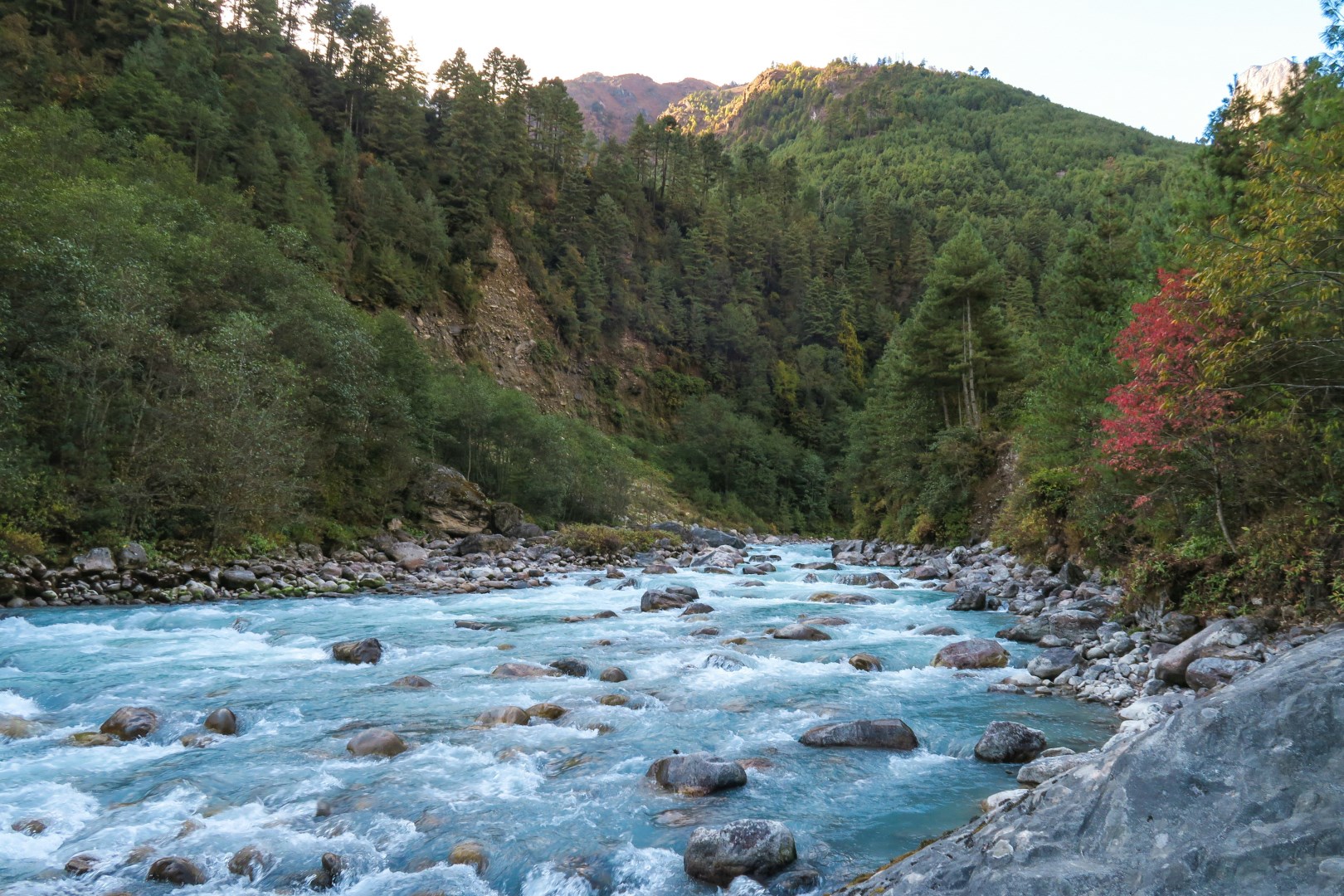
Phakding
Set along the banks of the Dudh Koshi River, Phakding welcomes travelers at the early stages of the journey toward Mount Everest. Sitting at a lower elevation than many nearby stops, the village is surrounded by green hills, pine forests, and terraced farmland. The steady sound of the river accompanies visitors as they cross suspension bridges and follow winding trails that connect small settlements throughout the valley.

Nuevo Vallarta
Nuevo Vallarta, located along the Bahía de Banderas in the state of Nayarit, is a coastal destination known for its wide, sandy beaches and marina-lined canals. Originally developed as a tourism project in the late 20th century, it has grown into a well-organized resort area with luxury hotels, golf courses, and waterfront condos. Unlike older beach towns with colonial roots, Nuevo Vallarta was designed from the start to offer modern comfort while being surrounded by natural landscapes.

Bodrum
Bodrum is a resort town on the dazzling blue bay, in which the Aegean and the Mediterranean Seas meet. The town's charm is well-known, attracting a diverse population of vacationers who stroll along its long palm-lined waterfront, while elegant yachts crowd the marina. Not far from town , you can swim in absolutely clear, tideless, warm seas.
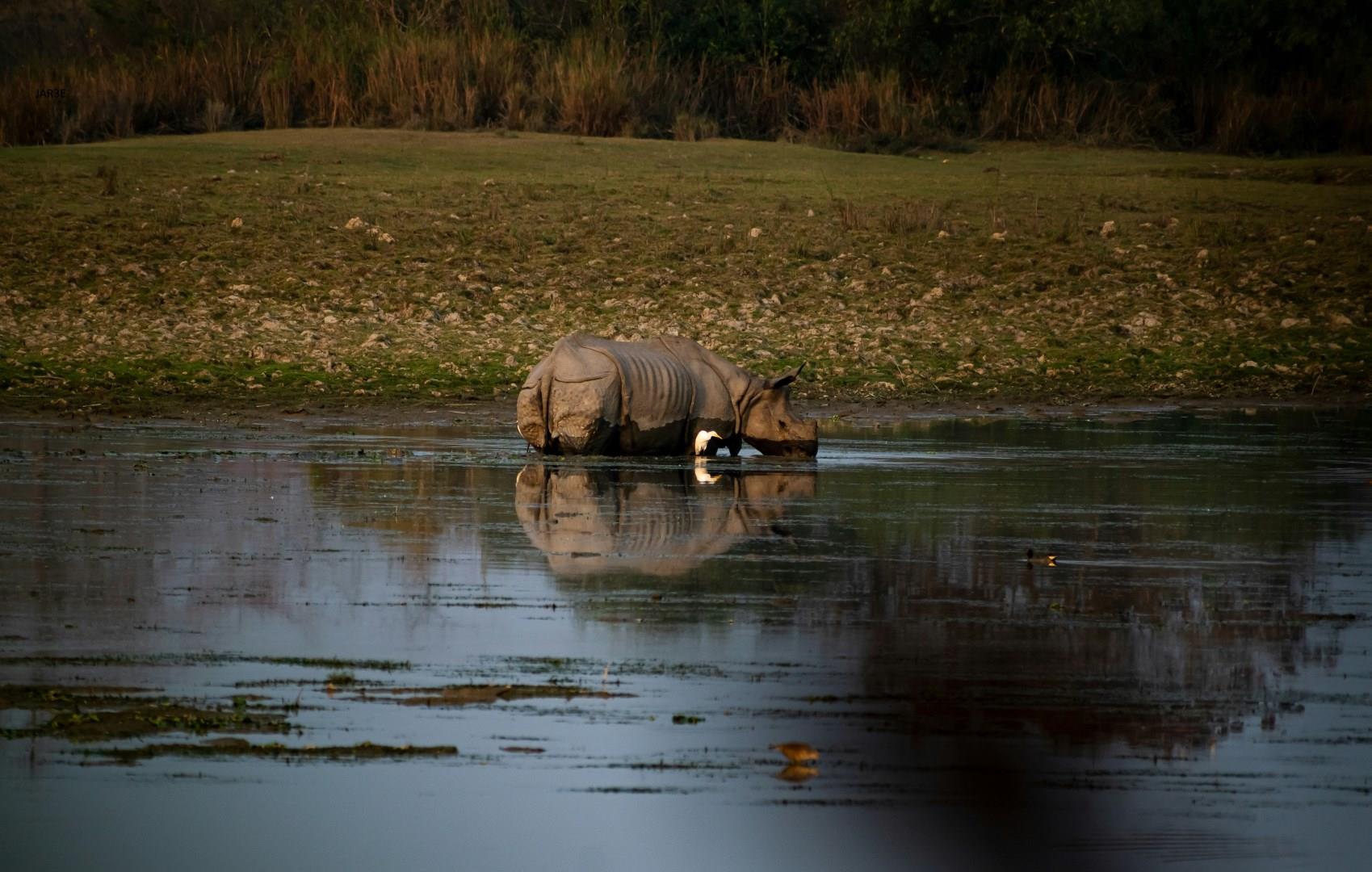
Kaziranga National Park
Kaziranga National Park stretches across the floodplains of the Brahmaputra River in Assam, shaped as much by water as by wildlife. Established in the early 20th century, it became central to conservation efforts in India, most notably for the greater one-horned rhinoceros. The park’s history reflects a long negotiation between protection, seasonal flooding, and the human communities that live around its edges.

Dominican Republic
The Dominican Republic is a vibrant mosaic of cultures, landscapes, and rhythms. The country’s culture is celebrated through lively festivals, music, and dance, with merengue and bachata resonating in every corner.
