
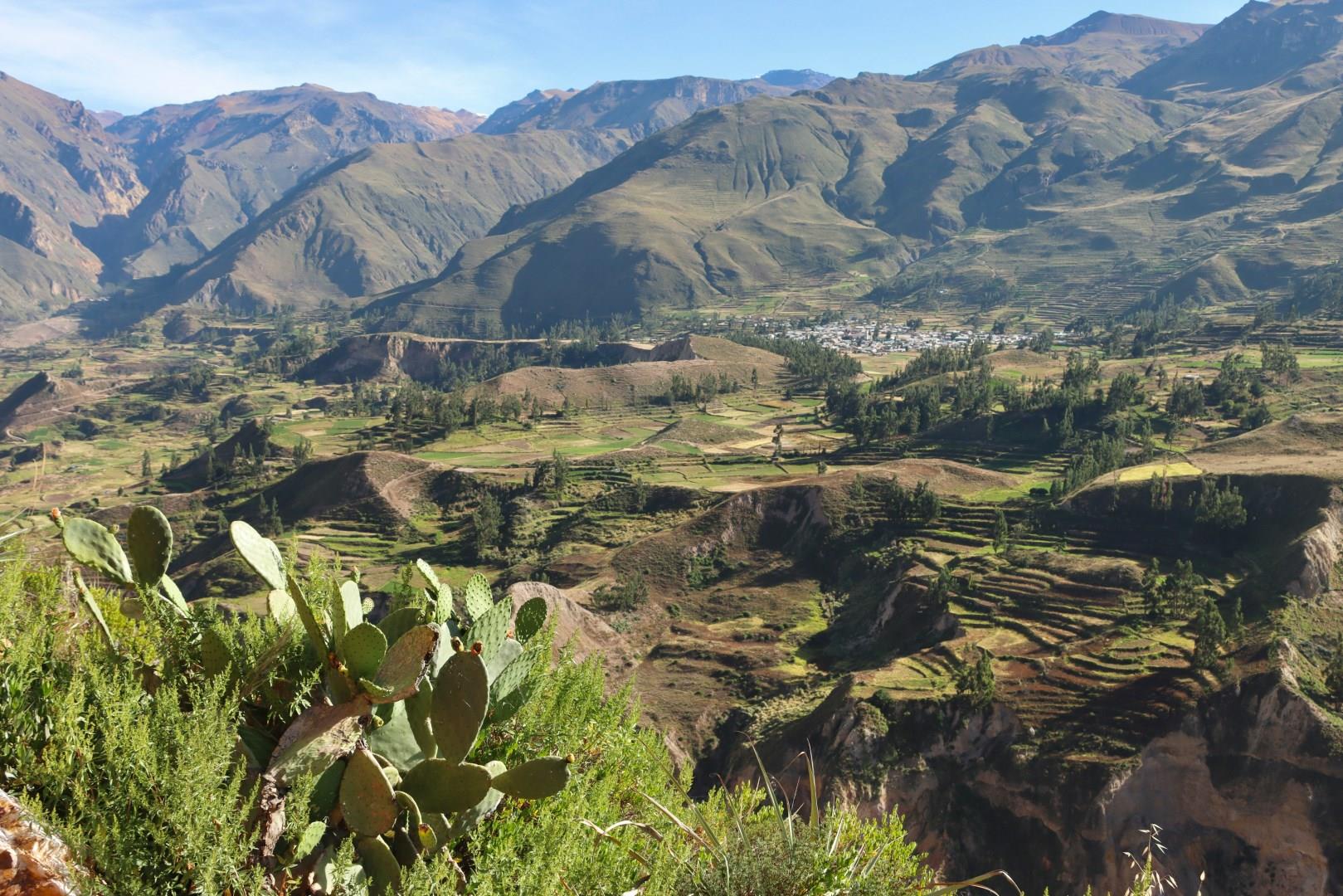
Colca Canyon
Colca Canyon, located in southern Peru’s Arequipa region, is one of the deepest canyons in the world, twice as deep as the Grand Canyon in some areas. What makes it stand out even more is how human settlements have coexisted with the landscape for centuries. Along its walls, pre-Inca agricultural terraces still hold crops like corn and quinoa. One of the main draws of the canyon is the opportunity to see Andean condors in flight.
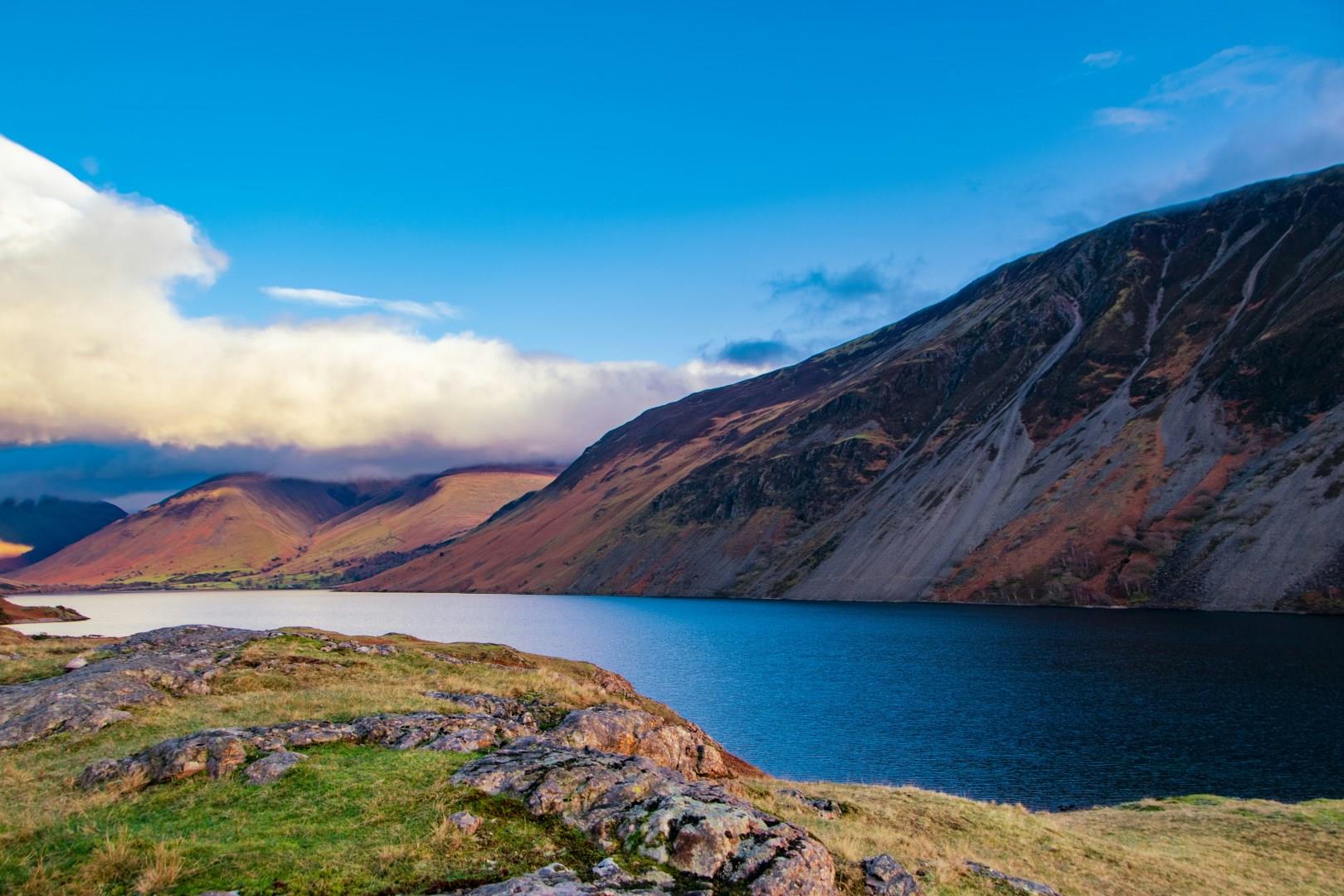
Lake District National Park
Lake District National Park, in northwest England’s Cumbria, is a landscape of lakes, fells, and valleys that has inspired poets, painters, and travelers for centuries. Designated a UNESCO World Heritage Site, the region is famed for its literary connections.
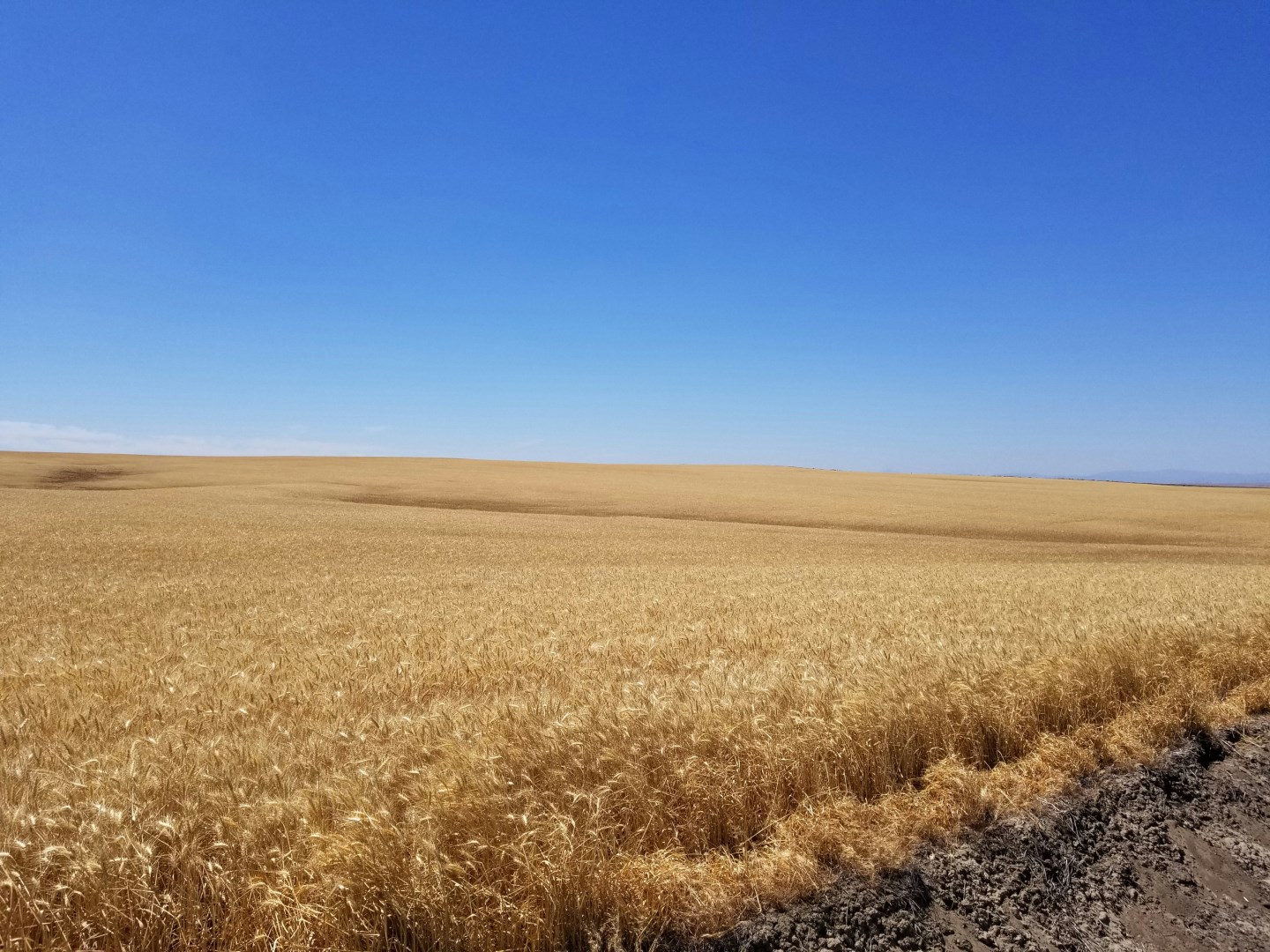
Pendleton
Pendleton, Oregon, sits in the heart of the high desert region, where wide open skies meet rolling wheat fields and the rugged Blue Mountains. The city is widely recognized for its rich history in ranching, railroads, and wool production, which visitors can explore through preserved buildings and museums. Downtown Pendleton features brick storefronts, murals, and sculptures that reflect the city’s connection to both the frontier and the railroad era.

Cairns
Cairns is the majestic entrance to Australia's Great Barrier Reef. This warm, tropical destination is located in Far North Queensland. Must-see attractions in Cairns include the Tjapukai Aboriginal Cultural Park, which educates tourists about indigenous peoples, and restaurant and bar-dotted Cairns Esplanade, which has a lagoon for swimming.
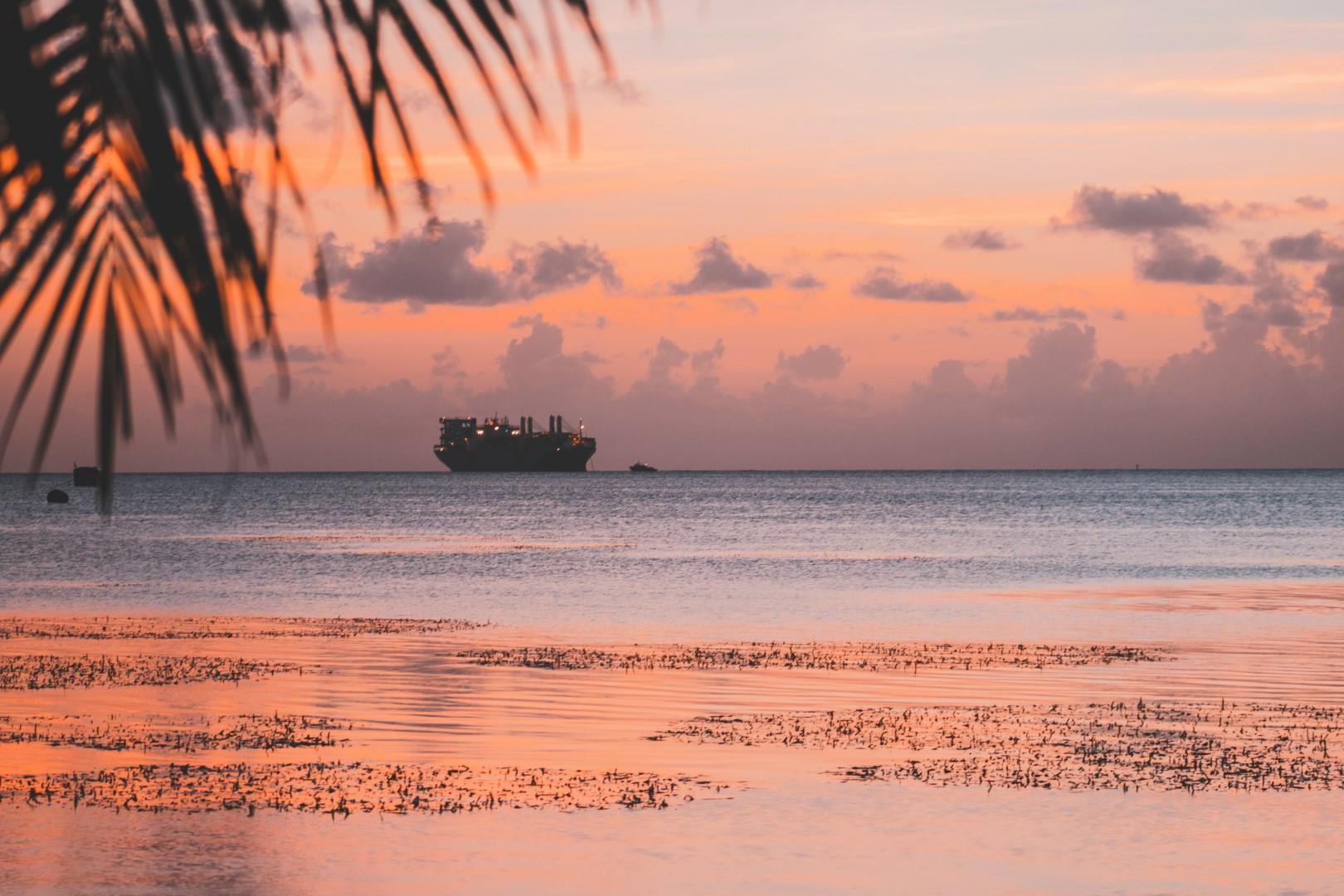
Saipan Island
Saipan, the largest of the Northern Mariana Islands, offers a rare combination of deep historical roots, island traditions, and dramatic landscapes. Located in the western Pacific, this U.S. territory was once the site of one of the most pivotal battles in the Pacific during World War II. Visitors today can explore the remains of bunkers, tanks, and hidden caves at sites like Suicide Cliff, Last Command Post, and the American Memorial Park.
