

Salzburg
Nestled in the foothills of the Eastern Alps, Salzburg, Austria, exudes a timeless charm that combines Baroque splendor, musical heritage, and breathtaking natural beauty. The city is famously known as the birthplace of Wolfgang Amadeus Mozart, one of the world's greatest composers. Visitors can immerse themselves in the life and works of Mozart by visiting his birthplace, now a museum, on Getreidegasse, a picturesque street lined with wrought-iron signs and colorful facades.

Pointe-á-Pitre
Guadeloupe's major center is Pointe-à-Pitre, a conglomeration of old and new buildings clustered around the bustling harborside market. Pointe-a-Pitre is Gudeloupe's most popular city--explore the beaches of Grand-Terre and the French fort ruins and volcanic mountaintop of Basse-Terre.

Savona
There's more than meets the eye in Savona, a Northwest Italy port city many cruise ship passengers are lucky enough to find themselves in. The giant Fortezza del Priamàr looms over the water, providing a unique welcome. Be sure to stroll through the city's genteel, impressive medieval center, visit the beautiful Savona Cathedral and see marvelous artistic works from centuries past at the Ceramics Museum.
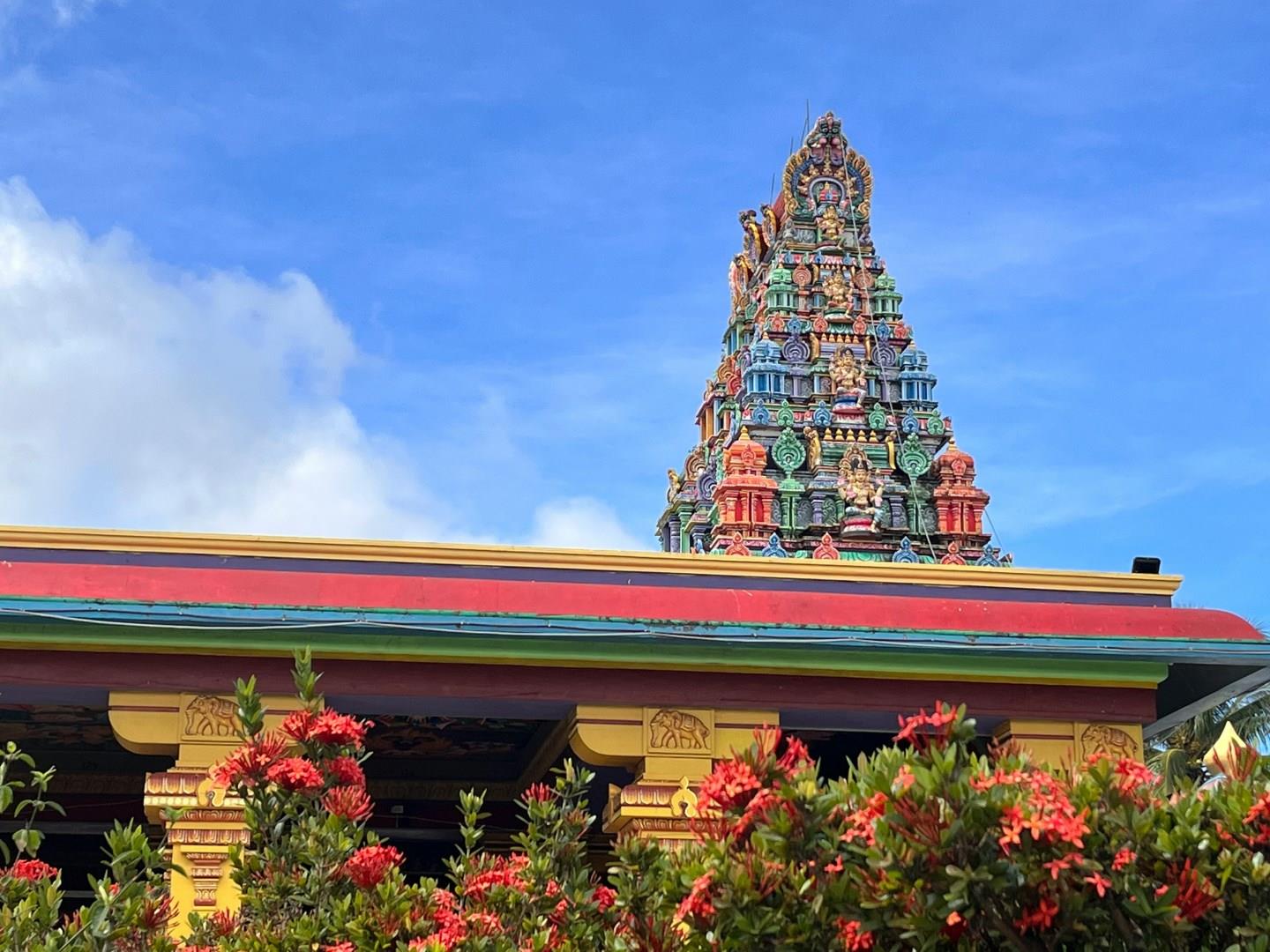
Depart Nadi for onward travel arrangements
Nadi, a vibrant city on Fiji's western coast, offers a gateway to some of the South Pacific's most enchanting experiences. Known for its bustling markets and lively atmosphere, Nadi is a hub of culture and activity. A must-see is the Sri Siva Subramaniya Temple, the largest Hindu temple in the Southern Hemisphere, renowned for its intricate Dravidian architecture and colorful frescoes. The temple’s vibrant and spiritual ambiance provides a glimpse into Fiji's rich Indian heritage.
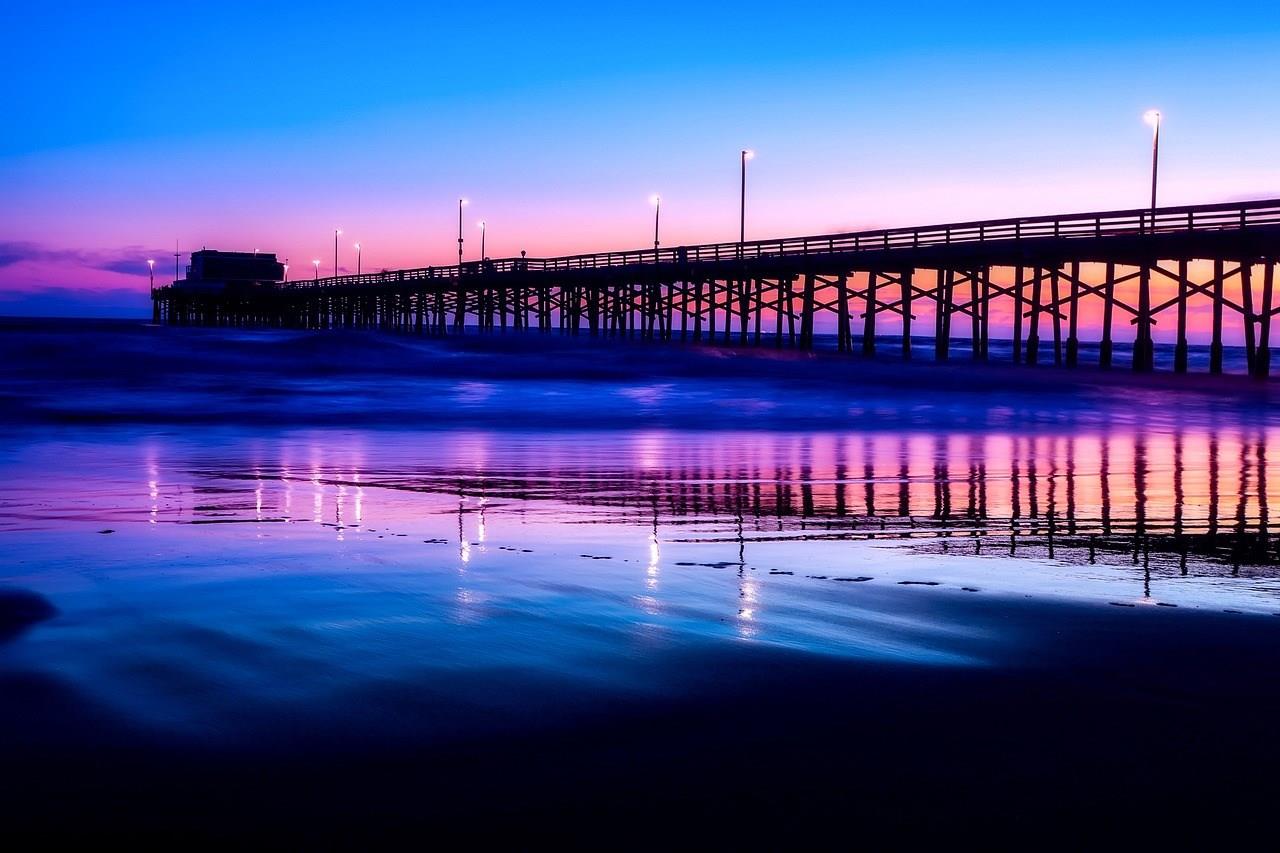
Newport Beach
Newport Beach, California, offers the quintessential Southern California experience, with its golden beaches, luxurious homes, and a laid-back yet upscale vibe. Nestled along the Orange County coastline, this sun-soaked destination is famous for its pristine beaches, including the iconic Newport Beach Pier, where visitors can enjoy surfing, sunbathing, or simply soaking in panoramic ocean views.
