
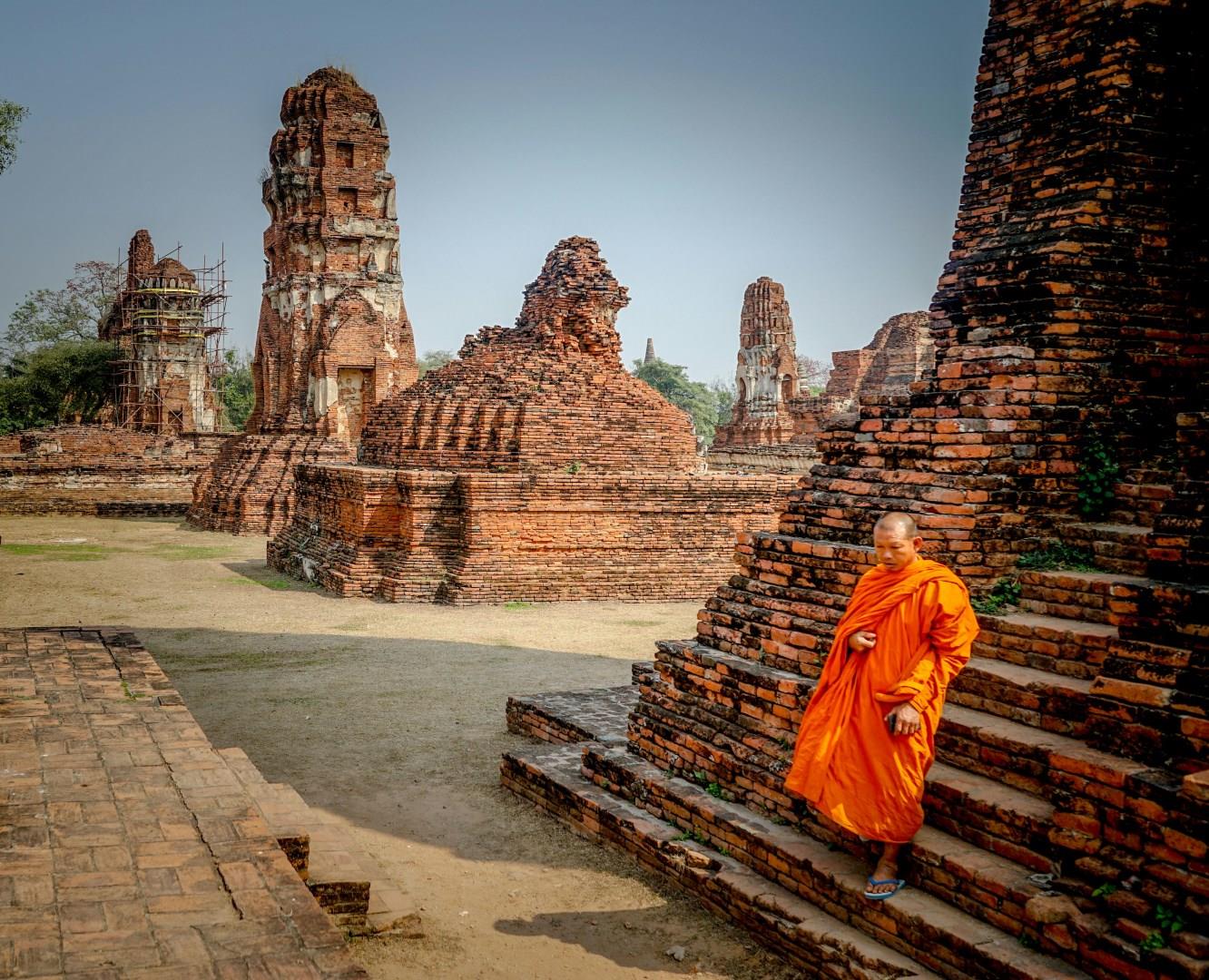
Ayutthaya
Ayutthaya, located about 80 kilometers north of Bangkok, Thailand, was the capital of the Ayutthaya Kingdom from the 14th to the 18th century. Its ruins, set among rivers and canals, reveal a once-thriving city that was a hub of trade, politics, and culture, linking Southeast Asia with China, India, and Europe.

Kangaroo Island
This island is Australia's third largest, only a short flight or ferry trip from the mainland. The abundance of native flora and fauna are unthreatened due to its remoteness. Sea lions basking in the sun and penguins promenading are a spectacle to see. PirKangaroo Island, often described as Australia’s "Galápagos," is a wildlife sanctuary and nature lover's paradise located off the coast of South Australia.

Belgium
Belgium may be compact, but it offers a surprising variety of experiences shaped by centuries of shifting borders, artistic innovation, and culinary tradition. In Brussels, the Grand Place sets the stage for history and architecture in one square lined with ornate guild halls. The city is also home to the European Union’s headquarters, surrealist painter René Magritte’s former house, and a lively comic book trail that winds through murals of Tintin and other Belgian icons.
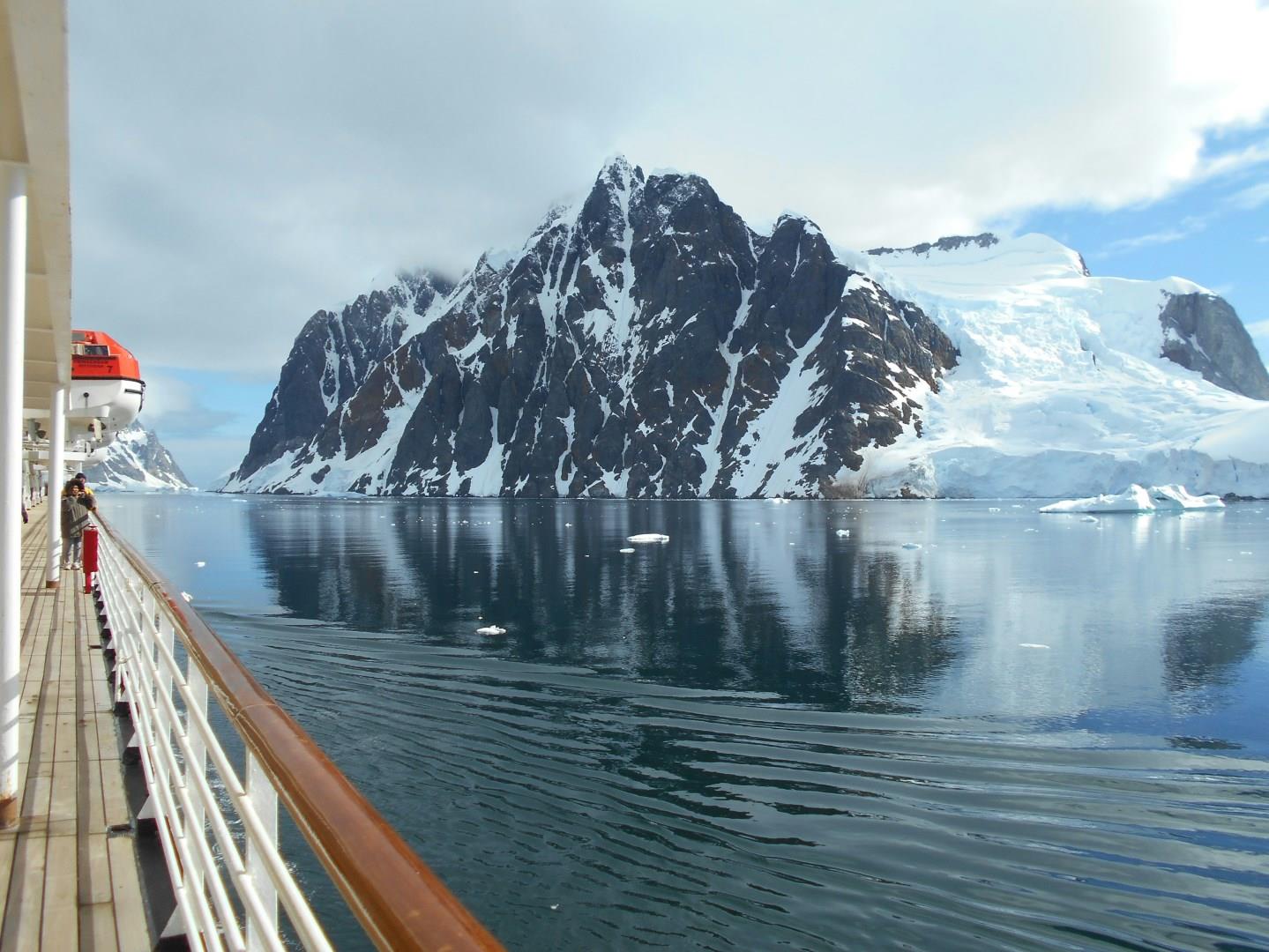
Lemaire Channel
The Lemaire Channel is a spectacular sight with enormous sheer cliffs falling straight into the sea. It's a narrow channel flanked by the Antarctic Peninsula on one side and Booth Island on the other. So photogenic is the channel that it's nicknamed 'Kodak Gap', and it's only once you're well within it that a way through is visible.
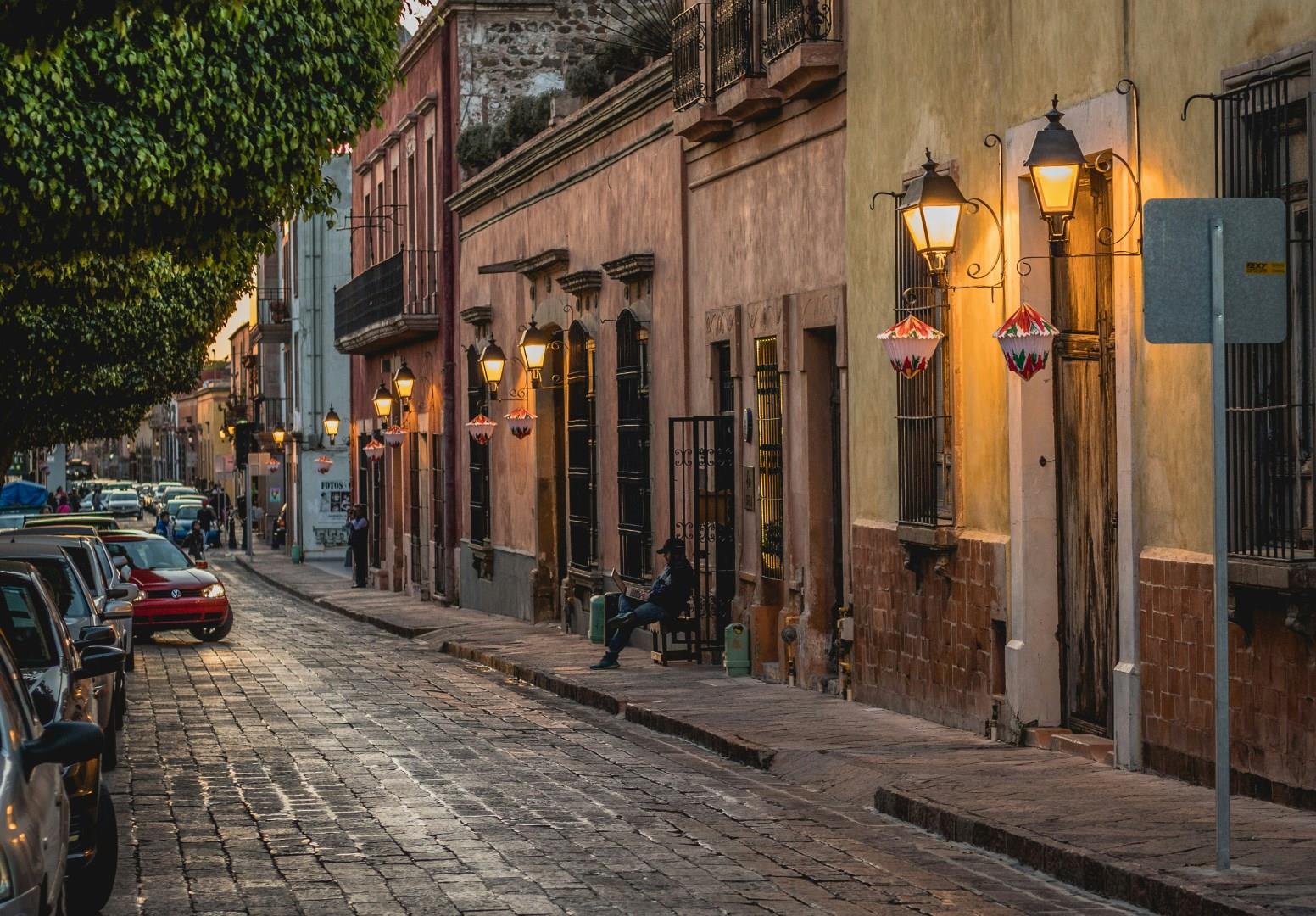
Querétaro
Querétaro, located in the heart of central Mexico, is a city where centuries of history are still visible in daily life. Its historic center, a UNESCO World Heritage Site, features narrow streets, elegant plazas, and baroque churches that reflect its colonial past. One of the city’s most iconic landmarks is the massive aqueduct, built in the 18th century with 74 stone arches stretching nearly a mile across the landscape.
