

Pula
Pula, a historic city located on the Istrian Peninsula in Croatia, is renowned for its impressive Roman heritage and vibrant cultural scene. The city's centerpiece is the Pula Arena, one of the best-preserved Roman amphitheaters in the world. This monumental structure, built in the 1st century AD, offers visitors a glimpse into ancient spectacles and gladiatorial contests. Today, it hosts various events, including concerts and film festivals.
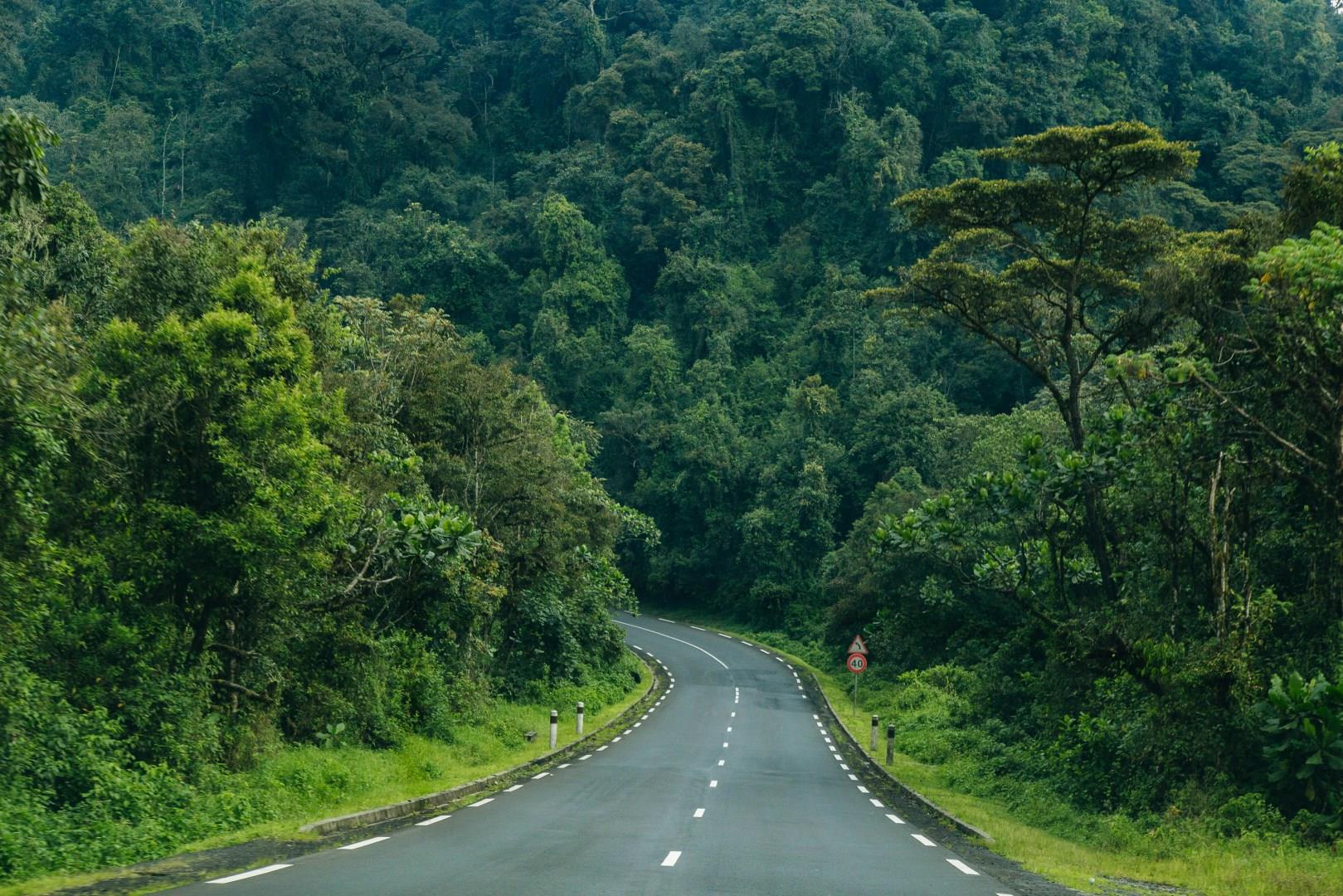
Nyungwe Forest National Park
Nyungwe Forest National Park, in southwestern Rwanda, is one of Africa’s oldest rainforests and a sanctuary of biodiversity. Spanning more than 1,000 square kilometers, the park shelters a wealth of wildlife, including over 300 bird species, 1,000 plant species, and an impressive 13 primate species.

Koblenz
This 2,000-year-old city, where the Teutonic Order founded one of its first commanderies in the 13th century, lies on the convergence of the Moselle and Rhine Rivers.

Blyde River Canyon
Nestled in the northeastern corner of South Africa, the Blyde River Canyon offers a breathtaking panorama of natural beauty and geological wonder. As one of the largest canyons in the world, this verdant ravine stretches approximately 26 kilometers long and plunges to depths of over 800 meters. Its lush, subtropical foliage and dramatic rock formations create a landscape that is both picturesque and awe-inspiring.

Leon
León, in northwest Spain, is a city where Roman, medieval, and modern layers coexist. Its historical heart features the León Cathedral with its remarkable stained glass, the Basilica of San Isidoro, and winding streets that hint at centuries of trade and culture.
