

Shanghai
Shanghai is a city where contrasting timelines meet at every corner. Once a small fishing village along the Huangpu River, it grew rapidly during the 19th century into a major trading port. Today, its skyline tells a story of that transformation. On one side, the Bund’s colonial-era buildings stand tall in limestone and granite; on the other, the futuristic towers of Pudong, like the Shanghai Tower and Jin Mao, stretch into the clouds.

Whitsunday Island
The Whitsunday Islands sit in the heart of Australia’s Great Barrier Reef, where more than 70 islands rise from wide blue seas and offer an invitation to explore. Whitsunday Island itself is the largest of this group, known internationally for its ribbon of white silica sand stretching over seven kilometers at Whitehaven Beach. This sand feels cool underfoot even in warm sunshine because it’s made of nearly pure silica carried there by ancient ocean currents.

Victoria
Victoria, the capital of Seychelles, is often described as one of the world’s smallest capitals, yet it brims with color and character. Located on Mahé Island, the city is both a cultural hub and a gateway to the surrounding beaches and mountains.

Ollantaytambo
Most commonly reached via travel from Cusco, Ollantaytambo is an Incan archaeological site in the Sacred Valley of southern Peru. The town dates from the late 15th century and is home to some of the oldest continuously-occupied dwellings in South America.
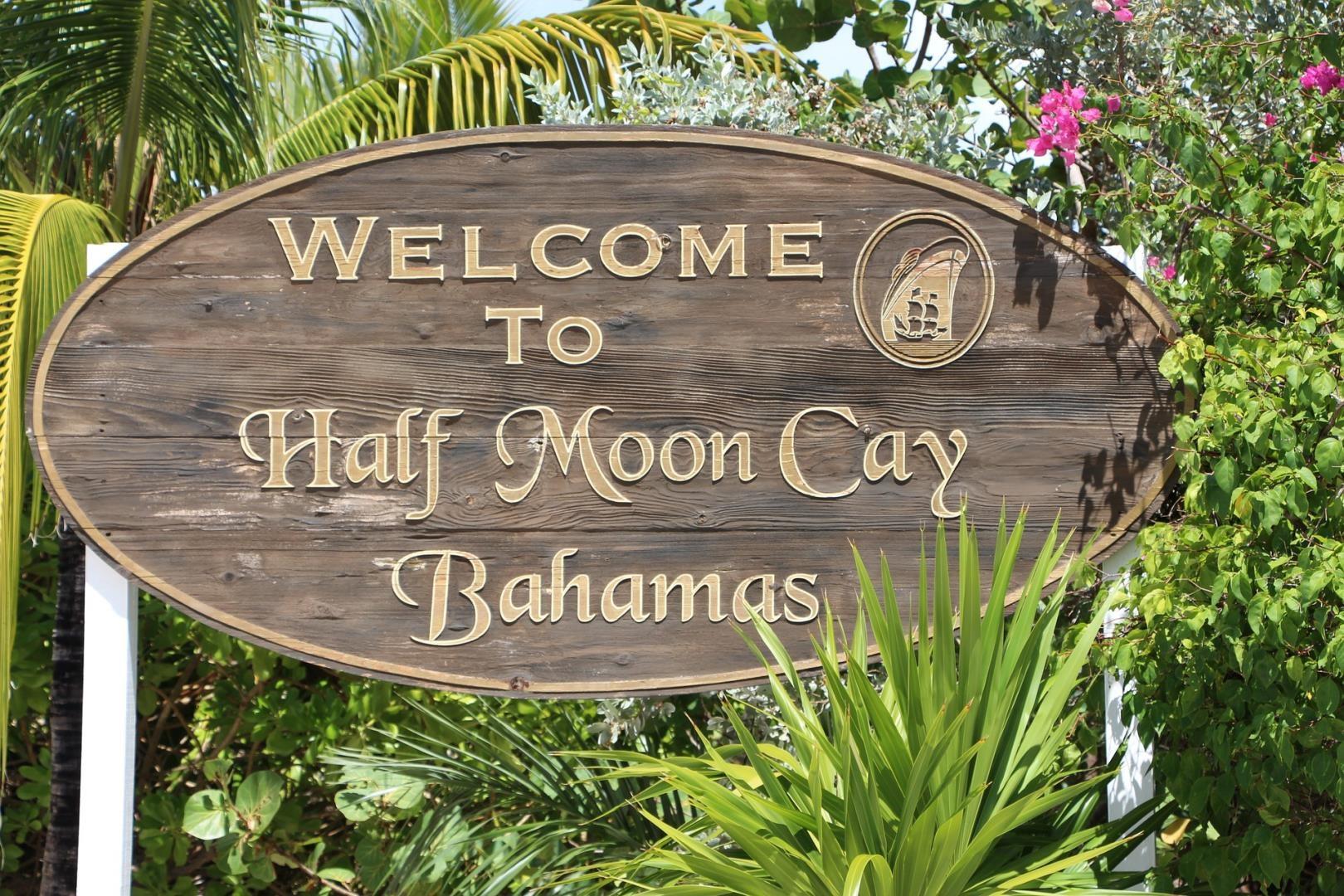
Half Moon Cay
Half Moon Cay, also known as Little San Salvador Island, is a private island in the Bahamas that offers an escape into turquoise waters and soft, powdery sands. Surrounded by shallow lagoons and vibrant coral reefs, the island is framed by a sweeping crescent-shaped beach that stretches for miles, making it a striking destination for those arriving by cruise or private yacht. Its calm waters and gentle tides create ideal conditions for swimming, snorkeling, and exploring marine life.
