

Yosemite National Park
Yosemite National Park, nestled in California's Sierra Nevada mountains, is a stunning sanctuary of natural beauty and grandeur. Known for its dramatic granite cliffs, ancient giant sequoias, and cascading waterfalls, Yosemite is a paradise for outdoor enthusiasts and nature lovers alike.
Saratoga Springs
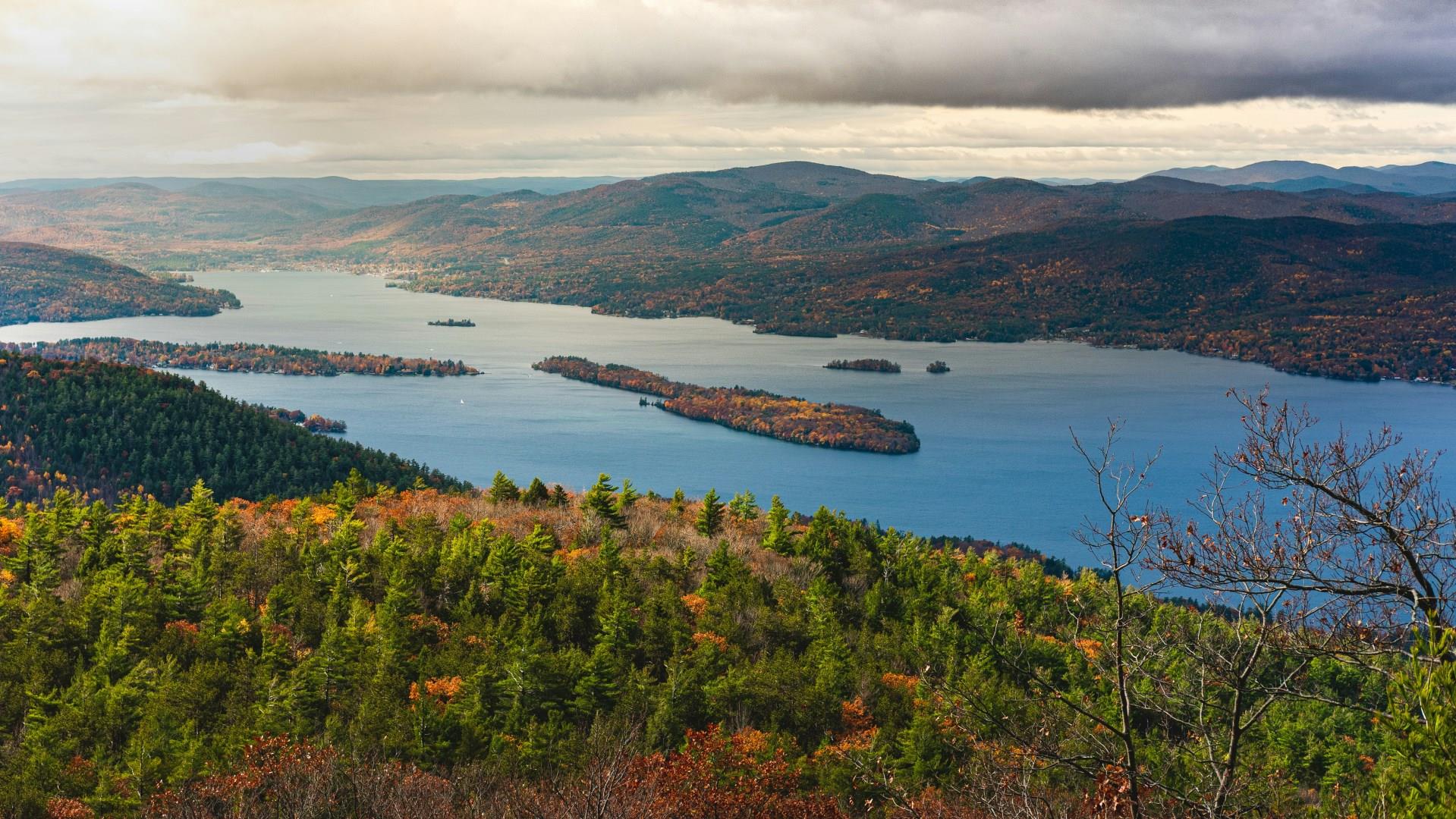
Saratoga Springs, New York, has long drawn visitors with its bubbling mineral springs, historic charm, and a calendar full of events that give the town a lively edge. Known as “The Spa City,” Saratoga first gained fame in the 19th century for its naturally carbonated waters, believed to have healing properties. Downtown Saratoga Springs is known for its walkable streets, filled with locally owned boutiques, cafés, and bookstores.

French Polynesia
An enchanting paradise in the heart of the South Pacific, French Polynesia is made up of over 100 islands known for their crystal-clear lagoons, lush mountains, and vibrant coral reefs. The islands’ warm, tropical climate combined with its stunning landscapes, from towering waterfalls to dramatic volcanic peaks, invite travelers to step into a world of natural wonder and beauty.

Cairns
Cairns is the majestic entrance to Australia's Great Barrier Reef. This warm, tropical destination is located in Far North Queensland. Must-see attractions in Cairns include the Tjapukai Aboriginal Cultural Park, which educates tourists about indigenous peoples, and restaurant and bar-dotted Cairns Esplanade, which has a lagoon for swimming.

Hong Kong
Hong Kong is one of the few places in the world where a 700-year-old fishing village sits minutes away from the headquarters of international banks. Once a British colony and now a Special Administrative Region of China, the city carries traces of Cantonese, colonial, and global influences in its streets, rituals, and food. The city has more than 300 hiking trails, including the well-known Lion Rock hike, which ends at a dramatic cliff overlooking Kowloon’s dense skyline.
