

St. Lucia
St. Lucia is an island of verdant landscapes in every direction: A dense rain forest rises up and covers The Pitons' twin peaks, and in the valleys, the sun's rays dance upon the large yellow-green leaves of banana plants. Beyond all the greenery, you'll find isolated coves, stunning beaches, colonial towns, quiet fishing villages and first-class yachting facilities.
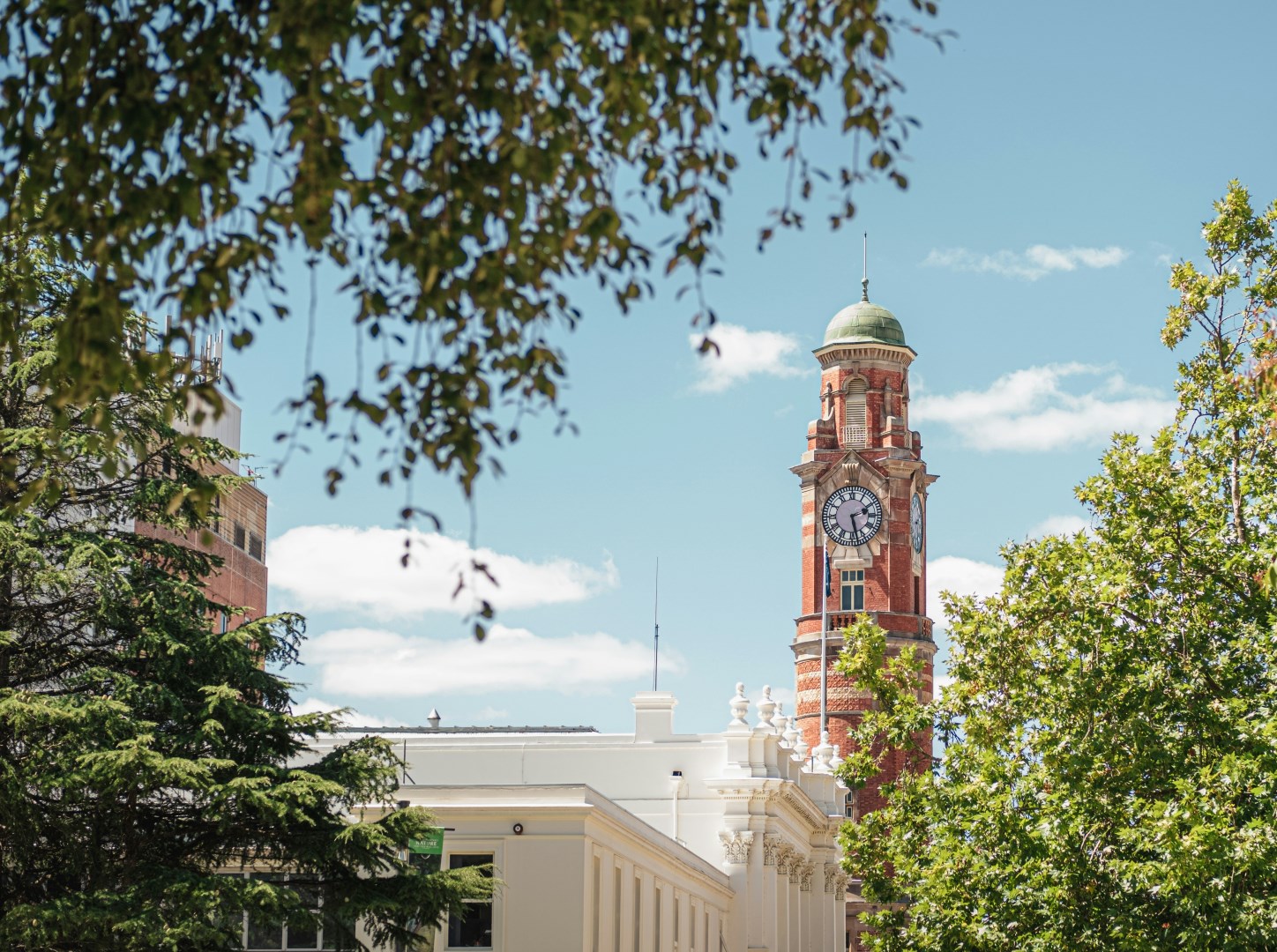
Launceston Tasmania
Launceston is a city in northern Tasmania, Australia, positioned where the Tamar, North Esk, and South Esk rivers meet. It serves as one of the island’s main urban centers and is known for its well-preserved streetscapes, public parks, and proximity to agricultural regions.
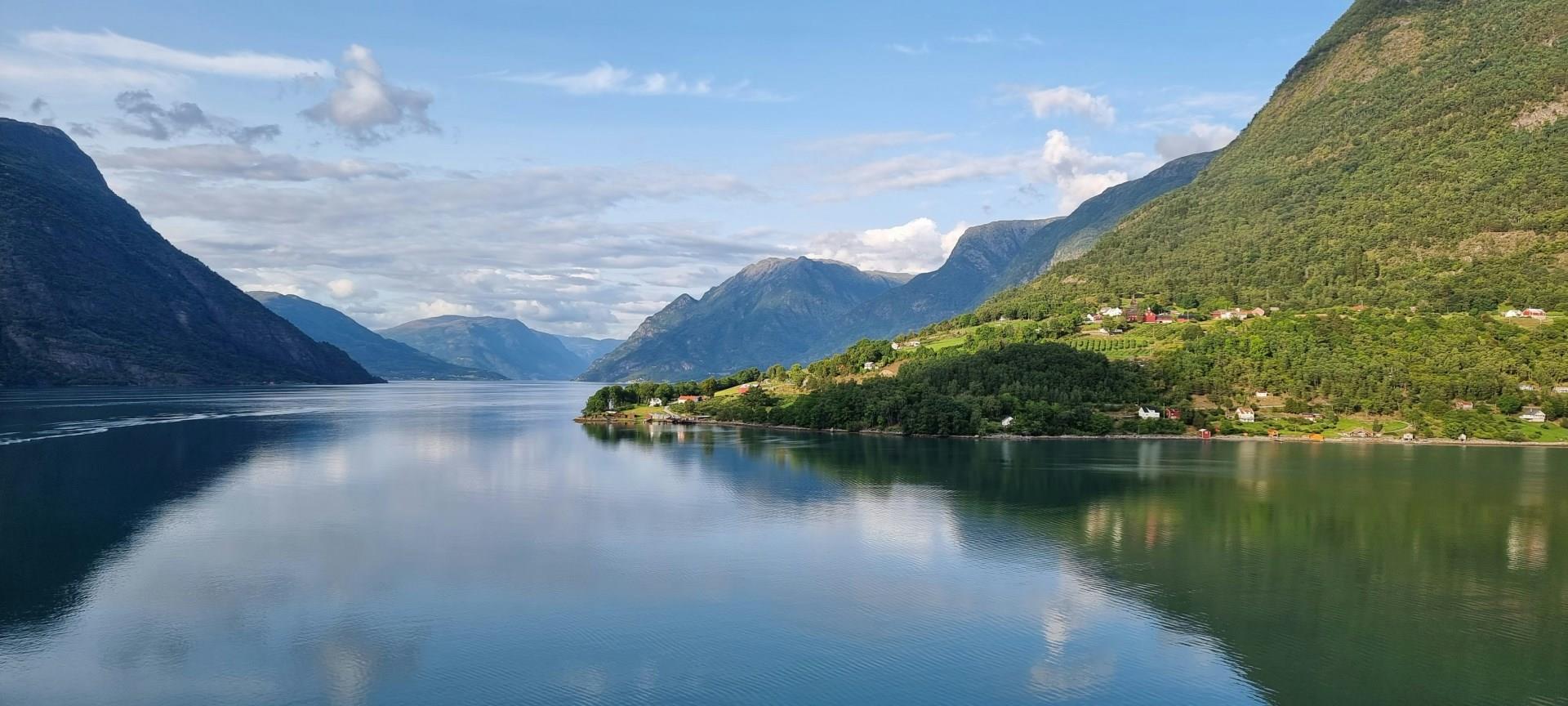
Skjolden
With its dramatic fjord setting, access to hiking trails, and cultural significance, Skjolden is a destination that showcases Norway’s wild beauty. Whether embarking on an outdoor adventure or simply enjoying the beautiful landscapes, visitors will find plenty to experience.
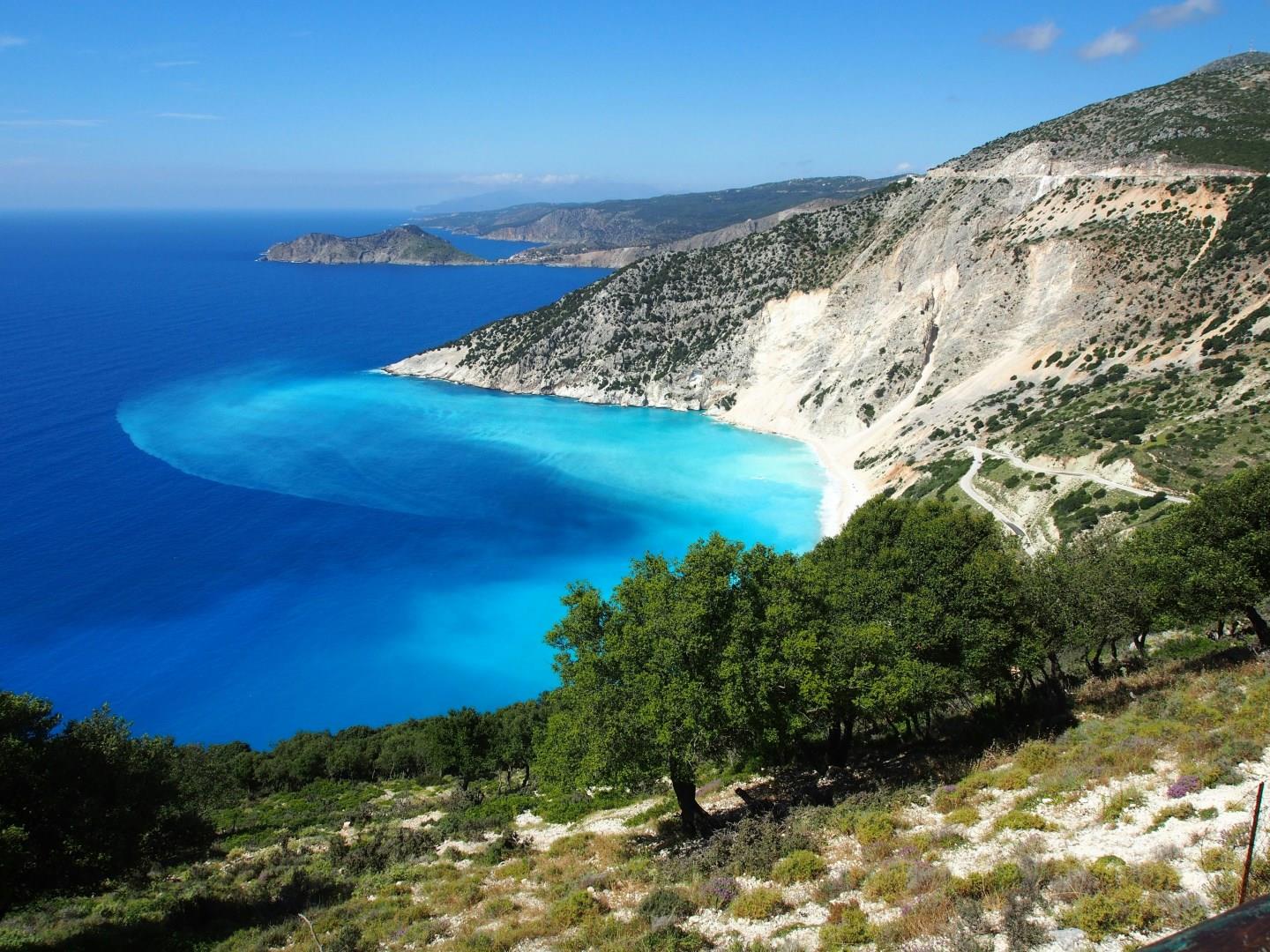
Argostoli
Argostoli sits on the west coast of Kefalonia, Greece’s largest Ionian Island, where a natural harbor meets the Koutavos Lagoon and a waterfront lined with cafés, tavernas, and shops. As the island’s capital, Argostoli blends everyday island life with moments of surprise, from sea turtles surfacing by fishing boats at dawn to historic sites hidden among palm trees and pedestrian streets.

Warnemunde
Warnemunde (or Warnemünde) is a port city in Germany and a frequent stop on many Northern European cruises. Across the Baltic Sea from Denmark's capital, Copenhagen, this charming seaside city has a number of delightful attractions, including the Warnemünde Lighthouse, a variety of local shops along the marina, and surfing lessons on the beach.
