
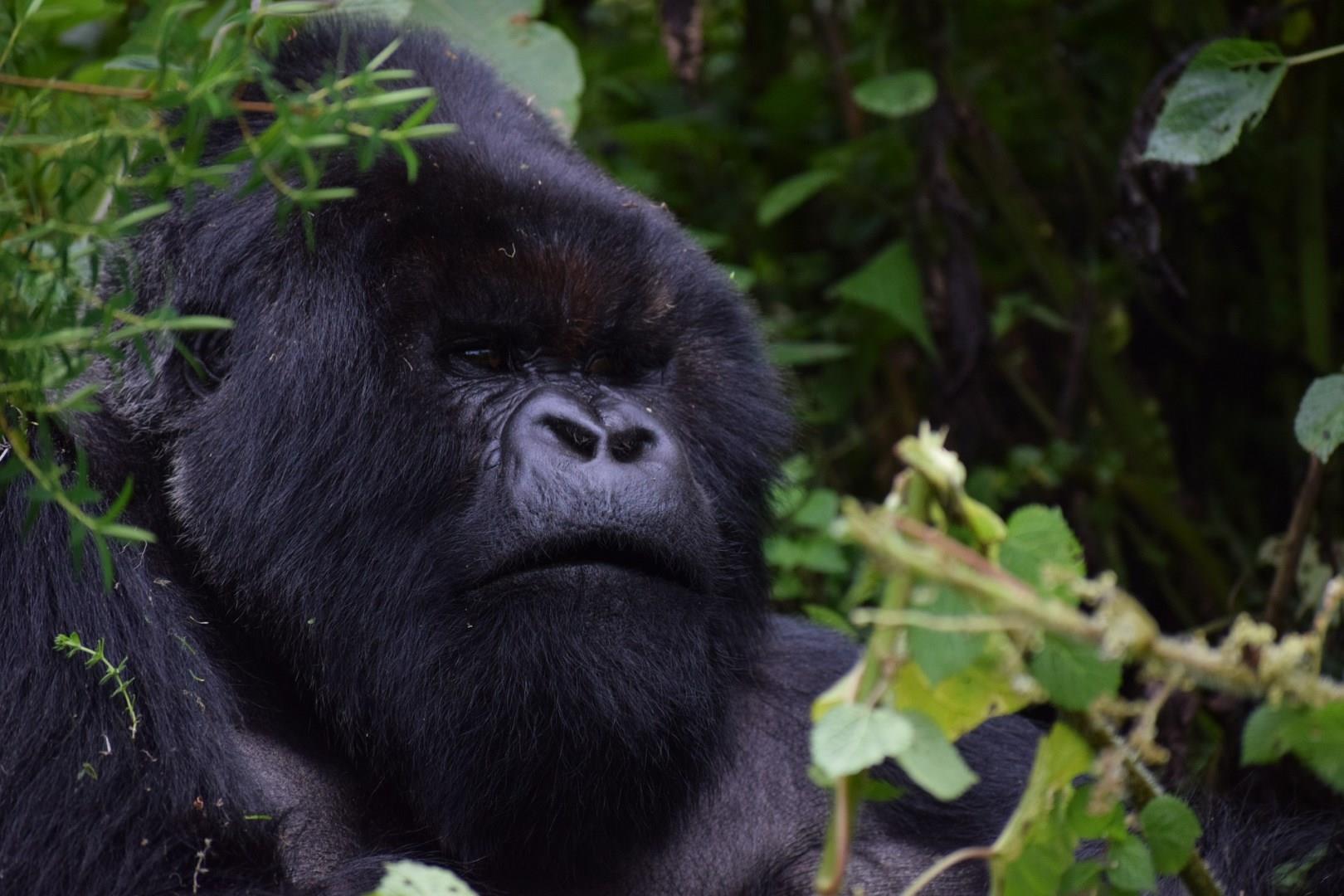
Rwanda
Rwanda, often called the “Land of a Thousand Hills,” is a country of rolling green landscapes, misty mountains, and shimmering lakes. Its scenery is striking, with terraced hillsides and lush valleys stretching as far as the eye can see.
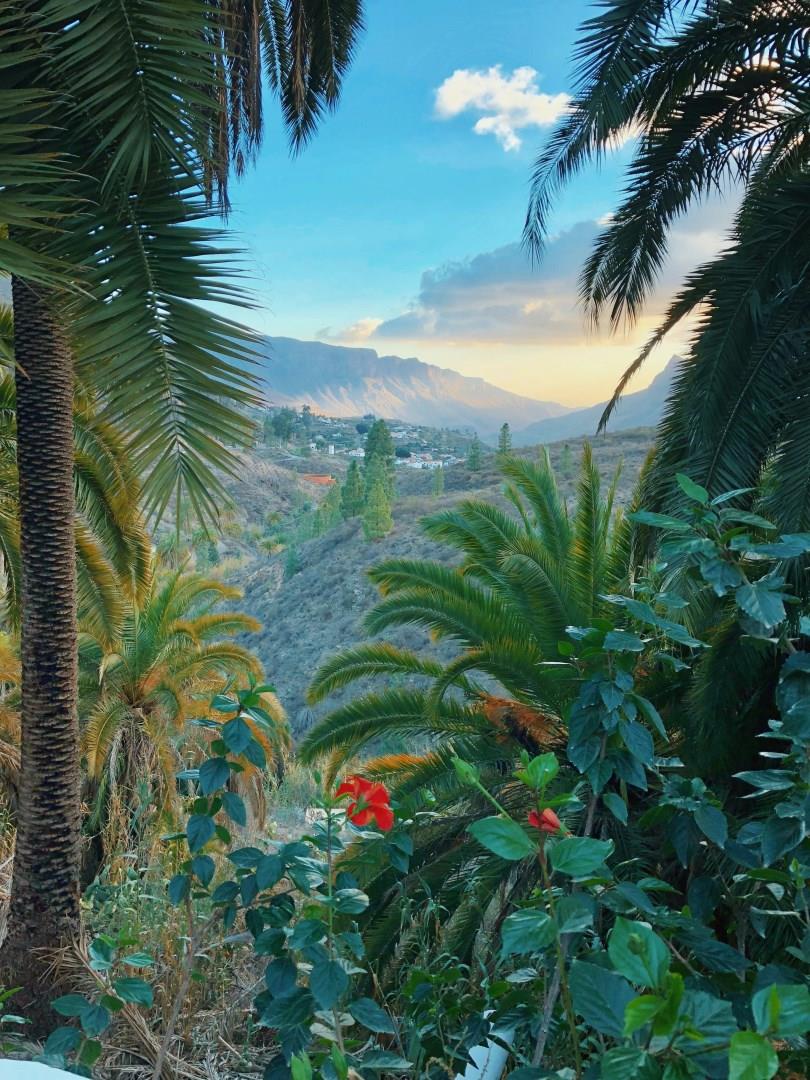
Gran Canaria
There is no other place with such a variety of scenery - deserts, mountains, lush tropical vegetation, and valleys filled with thousands of banana trees. Agriculture here offers everything: lime trees, vine-yards, coffee plantations, sugar cane, almond, tomato and banana crops, as well as, pine and palm forests.
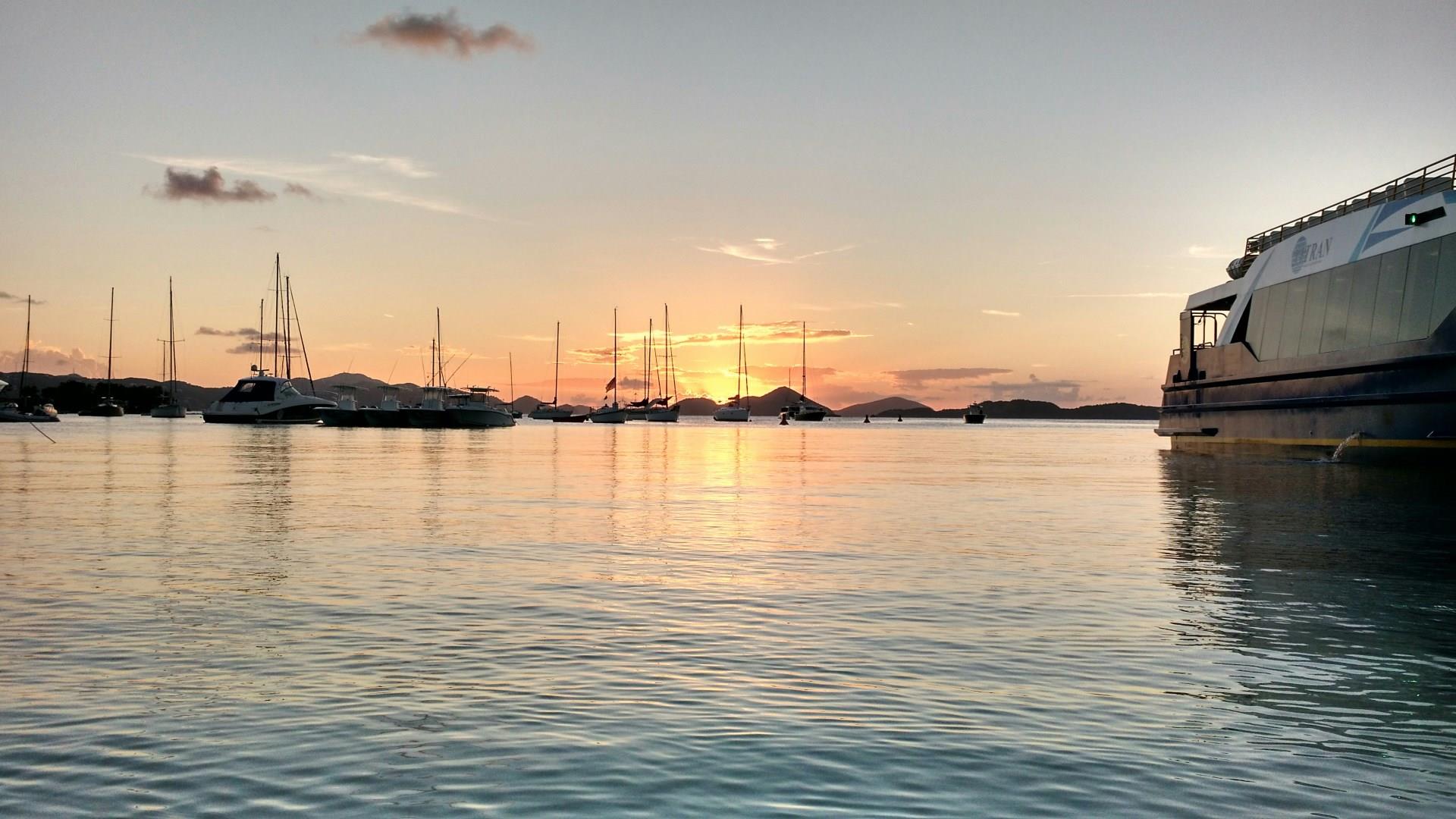
Cruz Bay
Cruz Bay is the welcoming gateway to St. John in the U.S. Virgin Islands, where vibrant Caribbean life meets rich island history. Stepping off the ferry from nearby St. Thomas, visitors find themselves in a lively waterfront town filled with cafés, bars and boutiques that lead toward sandy streets and shimmering views of the bay. This small town is also home to the Cruz Bay Visitor Center, a helpful place to start planning outings into Virgin Islands National Park and to learn about the island.

Ocean Cay
Formally called Ocean Cay MSC Marine Reserve, Ocean Cay is a private island only accessible to MSC Cruises guests. Activities include beachside lounging, snorkeling, paddle boarding, lighthouse climbing, dining, shopping and more.
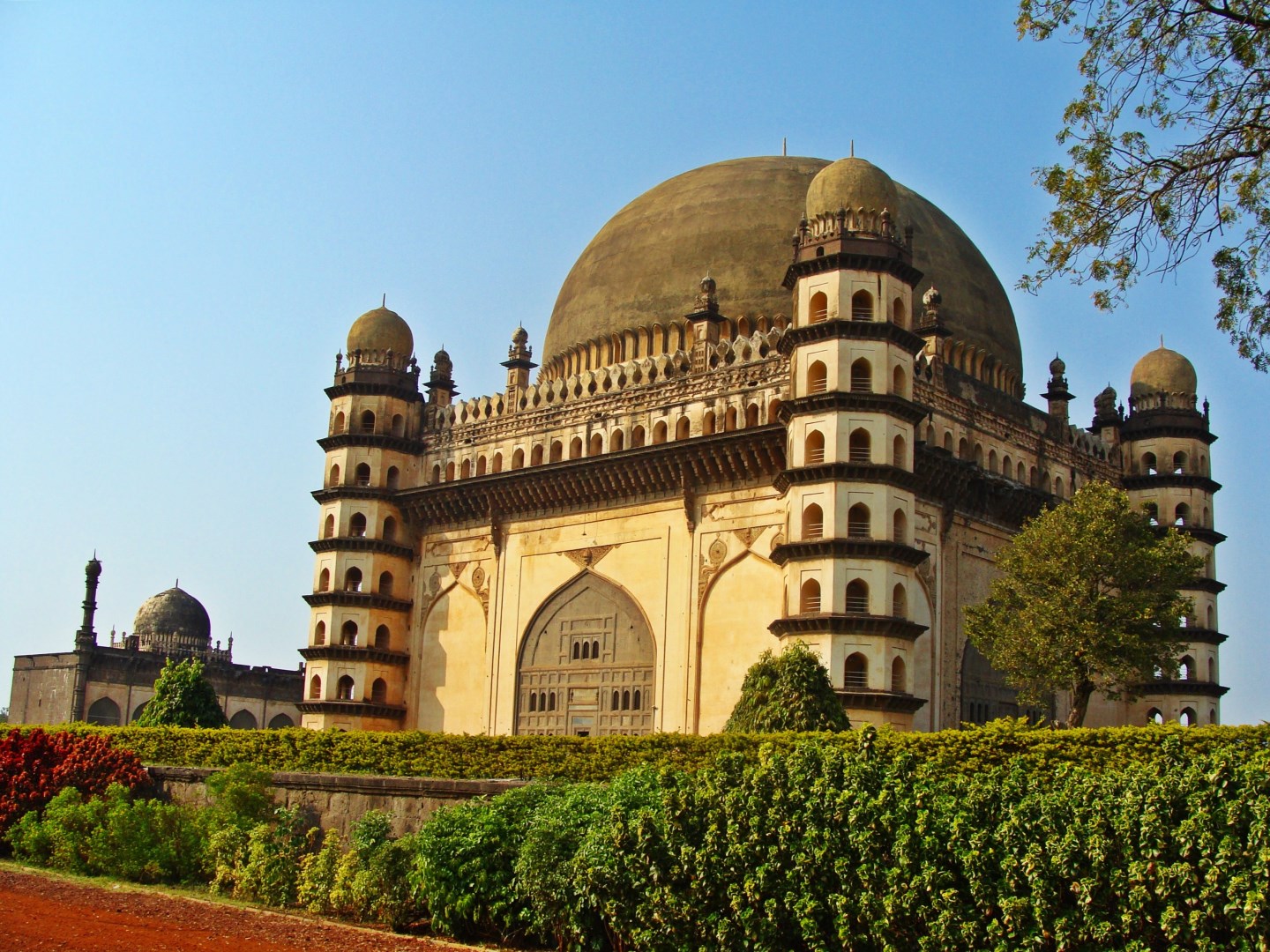
Bijaipur
Bijaipur is a small rural destination in Rajasthan, India, set within the Aravalli hills and surrounded by farmland and quiet village landscapes. It is best known for its historic fort, Castle Bijaipur, which has been adapted into a heritage stay.
