

Charlotte Amalie
With its mix of history, culture, and breathtaking natural beauty, Charlotte Amalie offers an unforgettable Caribbean experience. Whether you’re soaking up the sun on a world-class beach or diving into the island’s rich heritage, there’s something for everyone in this captivating destination.

Poland
Poland offers a layered and often surprising experience shaped by centuries of resilience and creativity. From the cobbled lanes of Kraków’s Old Town to the post-industrial art scenes in Łódź, the country moves comfortably between tradition and reinvention.
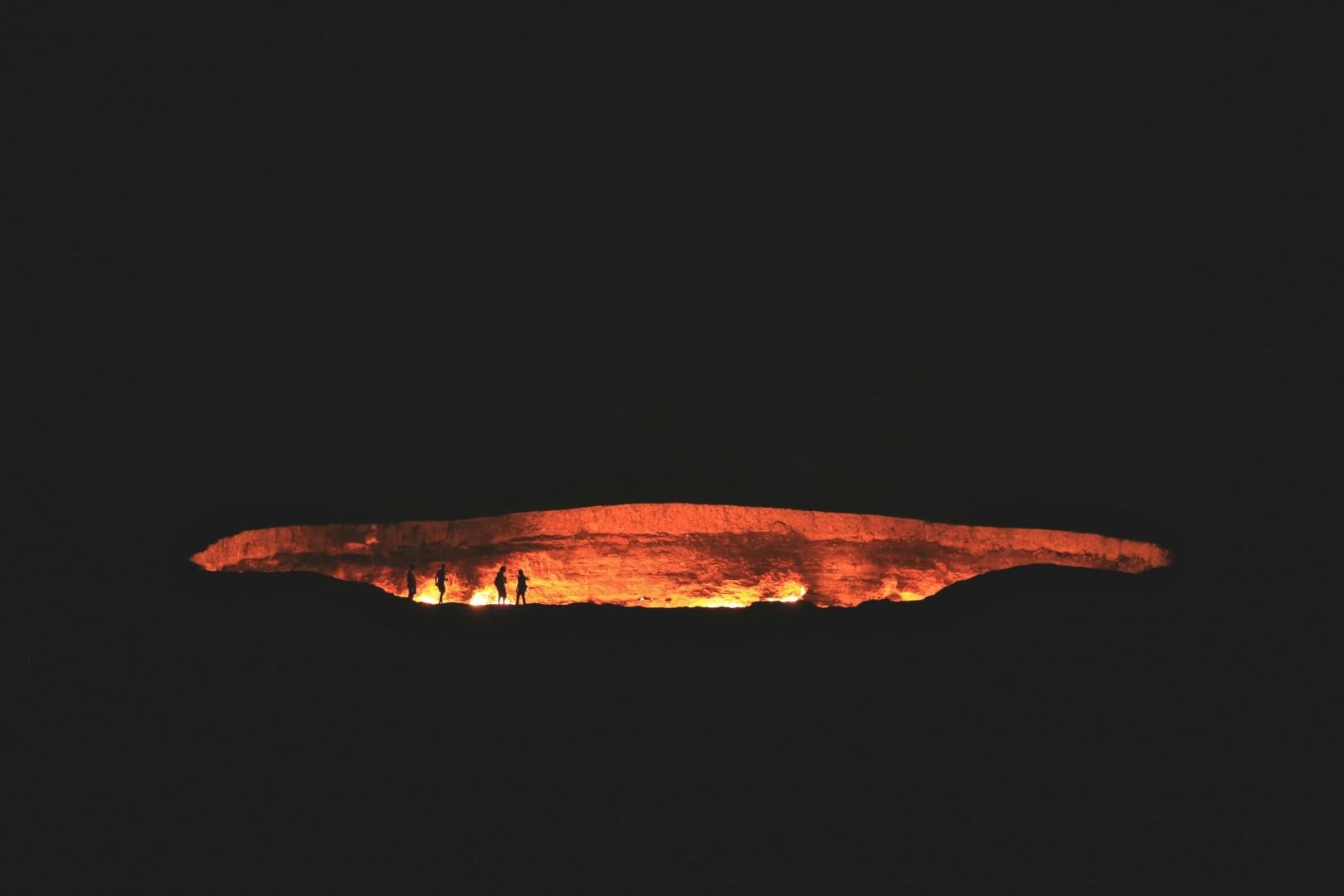
Darvaza
The Darvaza Gas Crater, famously nicknamed the “Door to Hell,” is one of Turkmenistan’s most extraordinary landmarks. Located deep in the Karakum Desert, this fiery pit has been burning continuously since the early 1970s, when Soviet engineers reportedly set fire to a collapsed natural gas field to prevent the spread of methane.
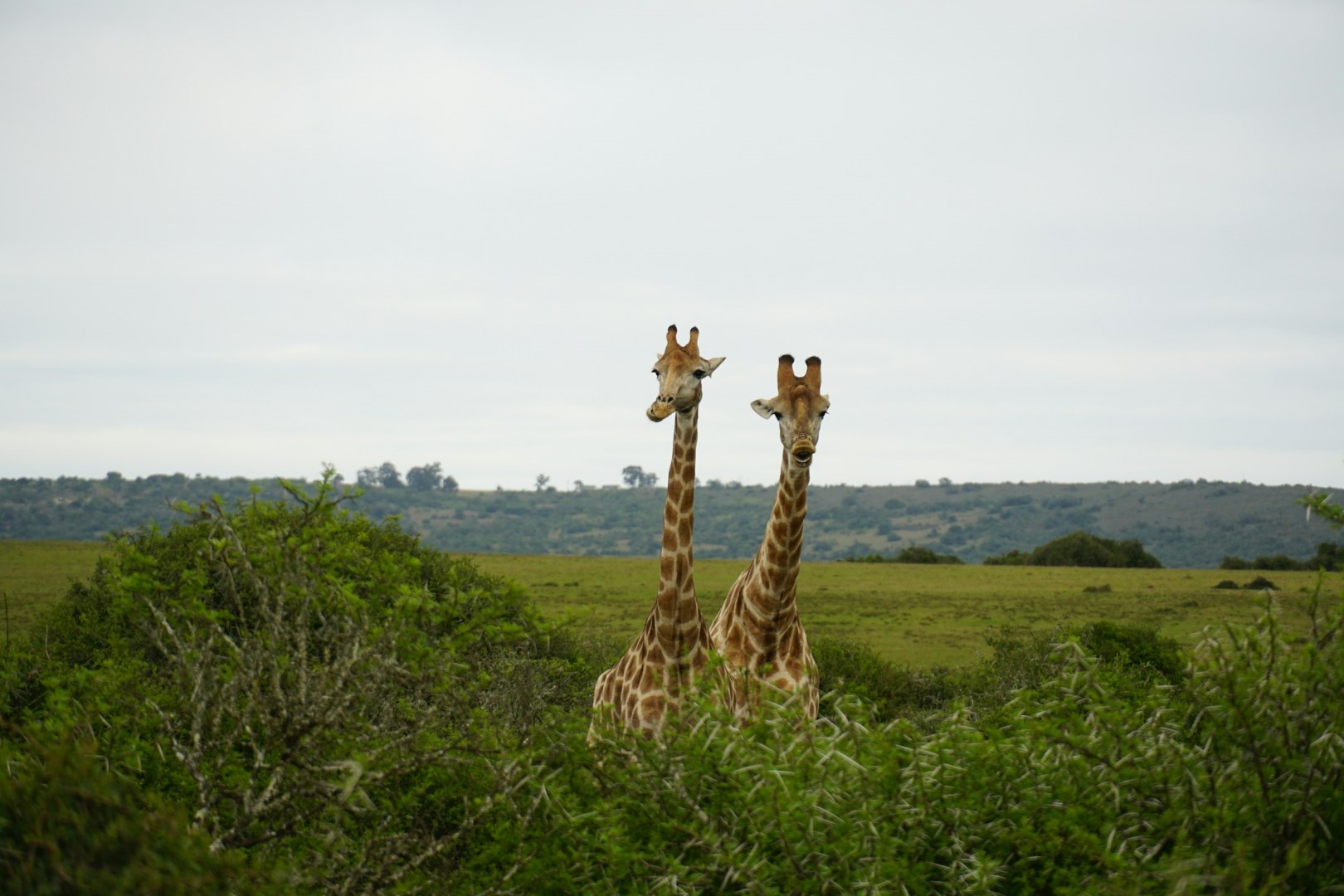
Shamwari Private Reserve
The Samwari Private Reserve is formed at the conjunction of five eco-systems, supporting a wide range of flora and fauna including the recently reintroduced "Big Five".

Mykonos
This gorgeous, breezy island is a lively paradise without equal. A celebratory atmosphere will be found here, from dance clubs and DJs to summer tourists simply reveling in the good life.
